



📌Stanbic Bank and GIZ launch a national programme empowering women and youth entrepreneurs.
📌New training and clean cooking initiative aims to strengthen two thousand small food businesses.
📌Graduates receive practical skills, safer stoves and long term support to grow incomes.
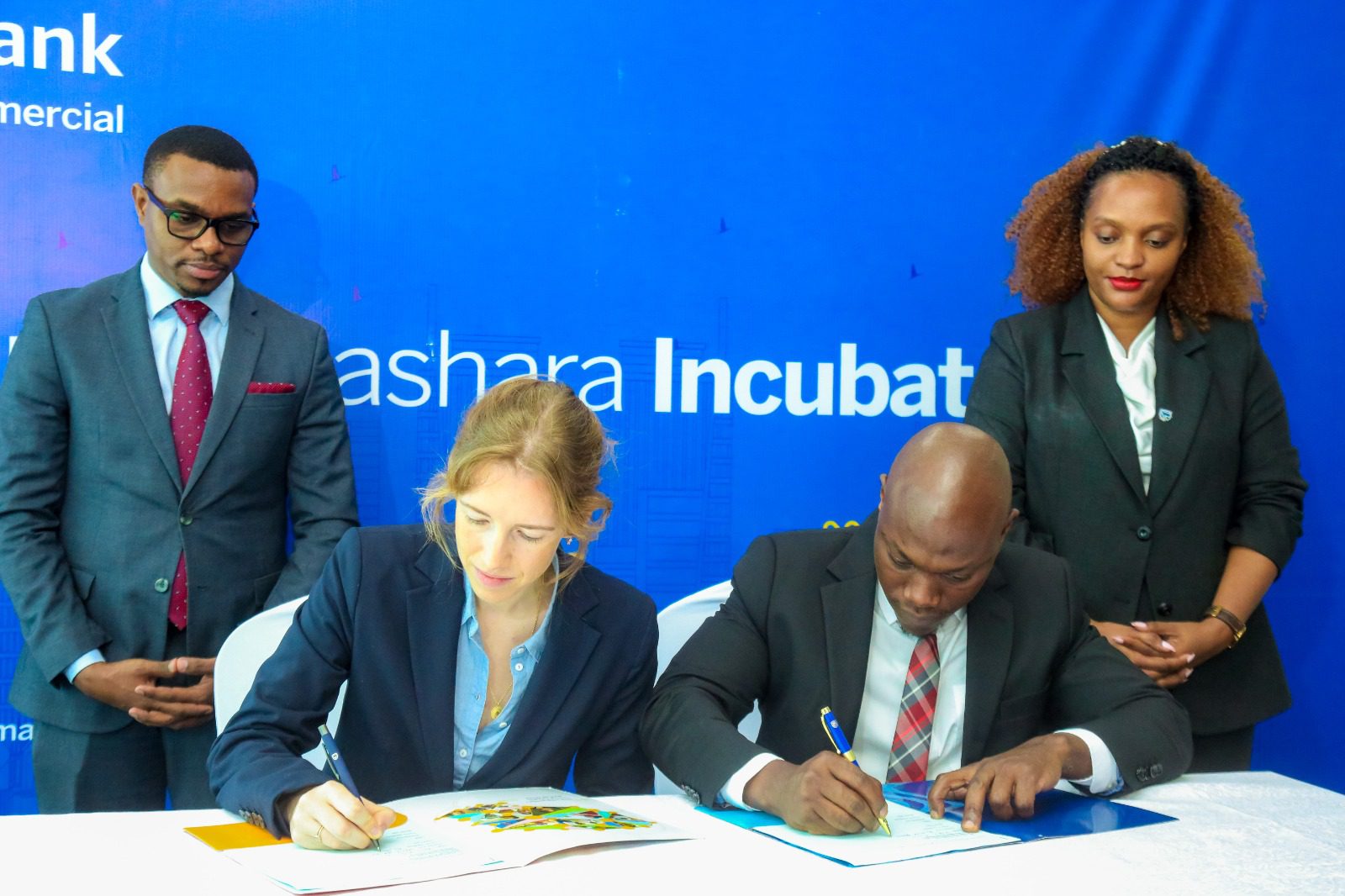
Dar es Salaam, Tanzania – Monday 24th November 2025: Stanbic Bank Tanzania and GIZ have launched a nationwide initiative designed to strengthen the businesses of two thousand women and youth food vendors across five regions.
The launch took place at the Stanbic Biashara Incubator in Dar es Salaam, where ninety six participants from Coco Beach graduated from a pilot training that tested the new delivery model.
The graduates, who run small food businesses commonly known as Mama Lishe or Baba Lishe, completed a four day training delivered by SIDO and Stanbic trainers.
The sessions focused on entrepreneurship mindset, business planning, online business, pricing, financial and asset management, customer care, food hygiene and personal development.
Participants described the classes as practical, relevant and easy to apply in their daily work. Many asked for continued mentorship to help them put the lessons into practice consistently.
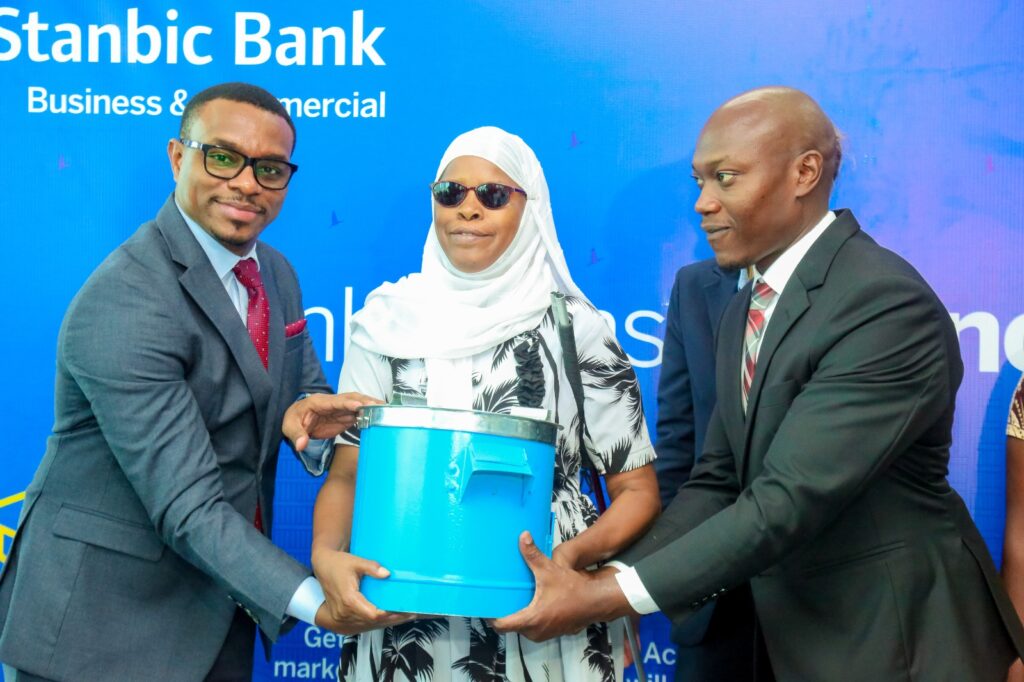
During the launch, Stanbic Bank distributed one hundred energy efficient stoves to the graduates. The stoves reduce smoke exposure, lower fuel costs and support a gradual transition away from charcoal and firewood. They promote safer cooking and contribute to Tanzania’s national clean cooking target for 2032.
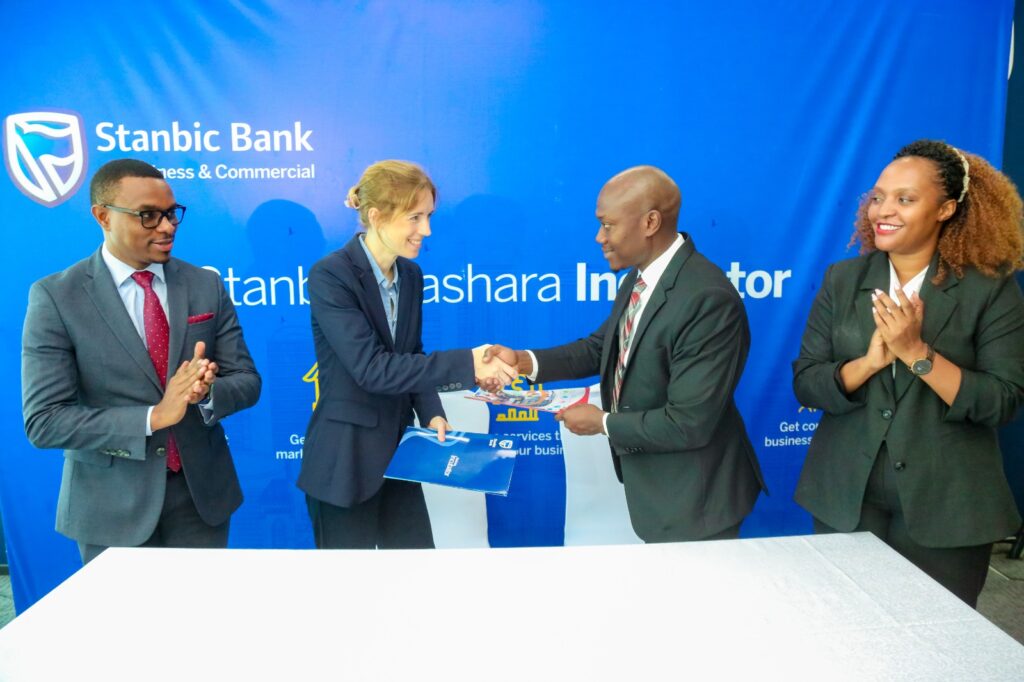
The new programme, known as RISE Mama Lishe, will roll out in Arusha, Dar es Salaam, Dodoma, Kilimanjaro and Tanga between September 2025 and December 2026.
It will combine business and financial training, demonstrations on clean cooking solutions, legal clinics and access to tailored financial products. The programme will also train two hundred community champions who will mentor other traders in their markets.
Stanbic Bank has supported Mama Lishe programmes in several regions over the past two years, reaching more than eight hundred women. Earlier training focused on financial literacy, customer service, clean cooking practices and basic business management. These sessions also provided working tools to raise operational standards and improve safety for food vendors.
Feedback from previous phases showed strong demand for more frequent training and wider coverage across districts.
Speaking during the event, Stephen Mpuya, Acting Head of Business and Commercial Banking at Stanbic Bank Tanzania, said the programme reflects the bank’s long term commitment to inclusive growth.
He said that when women and youth strengthen their food businesses, households benefit from better income, better planning and safer cooking environments. He added that the clean cooking component supports national climate goals and aligns with the bank’s responsibility to build healthier and more resilient communities.
“Supporting women and youth to adopt safer, more efficient stoves is a climate action, and we are proud to contribute to a cleaner future for Tanzania. This work reflects our 30 years in Tanzania, a milestone that pushes us to serve communities at a deeper level and build programmes that leave lasting impact,” he said.
GIZ Project Manager, Awadh Milasi, said the partnership reflects shared priorities on economic inclusion, climate action and local development. He noted that Mama Lishe play a central role in feeding communities and driving neighbourhood economies.
“The RISE Mama Lishe programme gives women and youth practical skills in business, finance and legal matters. It helps them shift from charcoal and firewood to improved clean stoves. This change protects their health and protects our environment, and it supports the national clean cooking adoption target set for 2032,” he said.
SIDO Director of Training and Regional Administration, CPA George Kasinga, said SIDO’s involvement ensures that the training remains practical and relevant to the real challenges that small traders face. He added that the partnership offers an opportunity to build long term capacity for food vendors across the country.
Participants at Coco Beach said the training has already transformed their approach to running their businesses. Many reported improvements in record keeping, food hygiene, customer service and planning, with several noticing early increases in sales.
Tatu Ally, a beverage and coconut water trader, said she now runs her business with more discipline.

“Since joining the programme, I have organised my business better. I learned pricing, record keeping, and how to serve customers with more confidence. I have seen a steady rise in sales and I now set aside savings to expand my beverage and coconut water business. The training gave me the clarity and discipline I needed to grow.”
Ayoub Mabrouck, a baobab snack trader, said the programme opened new paths for growth.
“The sessions gave me a clear structure for running a small business. I learned how to improve product quality, manage costs, and use social media to promote my baobab snacks. My sales have increased and I am planning to scale up production. The programme strengthened my focus on long term goals.”
The national roll out will begin in Dar es Salaam with seven training sessions at the Stanbic Biashara Incubator. Further sessions will take place in Kilimanjaro, Arusha, Tanga and Dodoma as afternoon classes to allow the traders to continue with their work.
By the end of 2026, Stanbic Bank and GIZ expect to have trained two thousand women and youth, distributed two thousand energy efficient stoves and developed two hundred community champions. The programme aims to build stronger businesses, healthier households and more inclusive economic growth across Tanzania.