


Tanzania and Uganda have agreed to remove all remaining trade charges and barriers between the two countries by June this year, a move expected to lower the cost of doing business and accelerate cross-border trade.
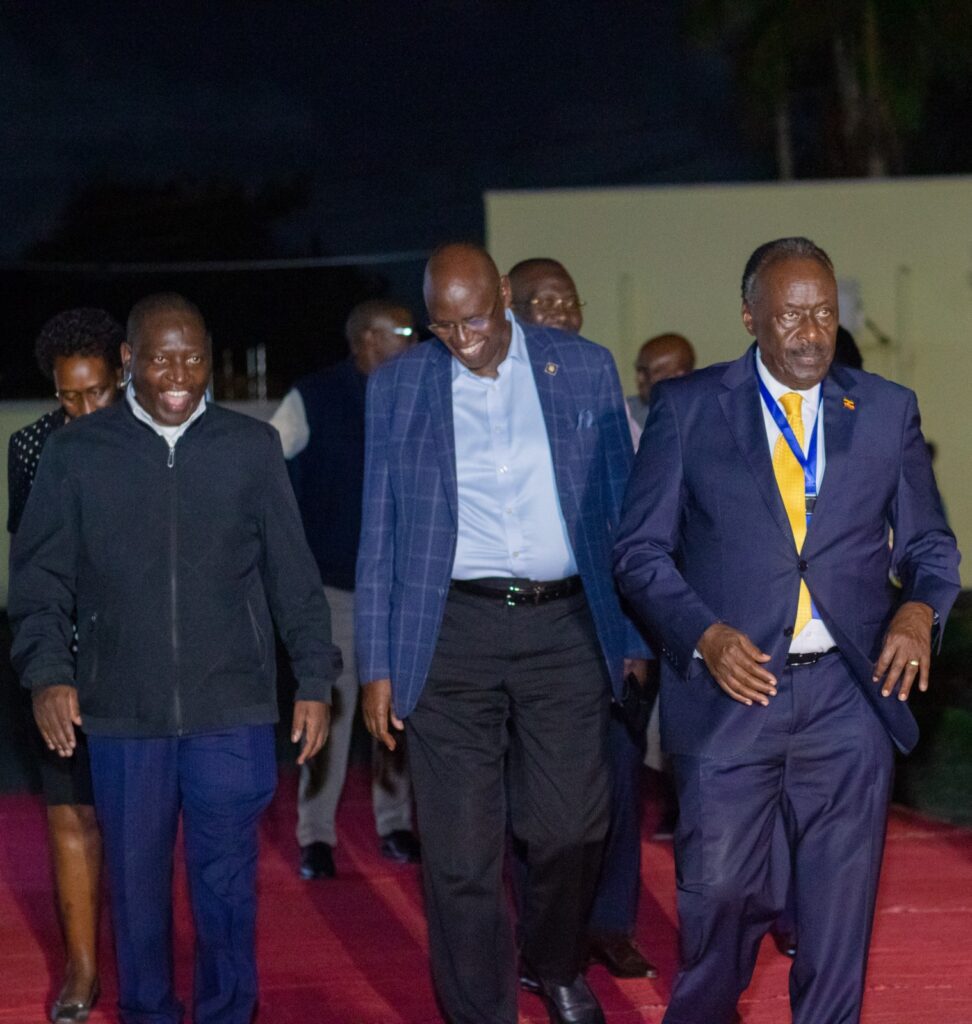
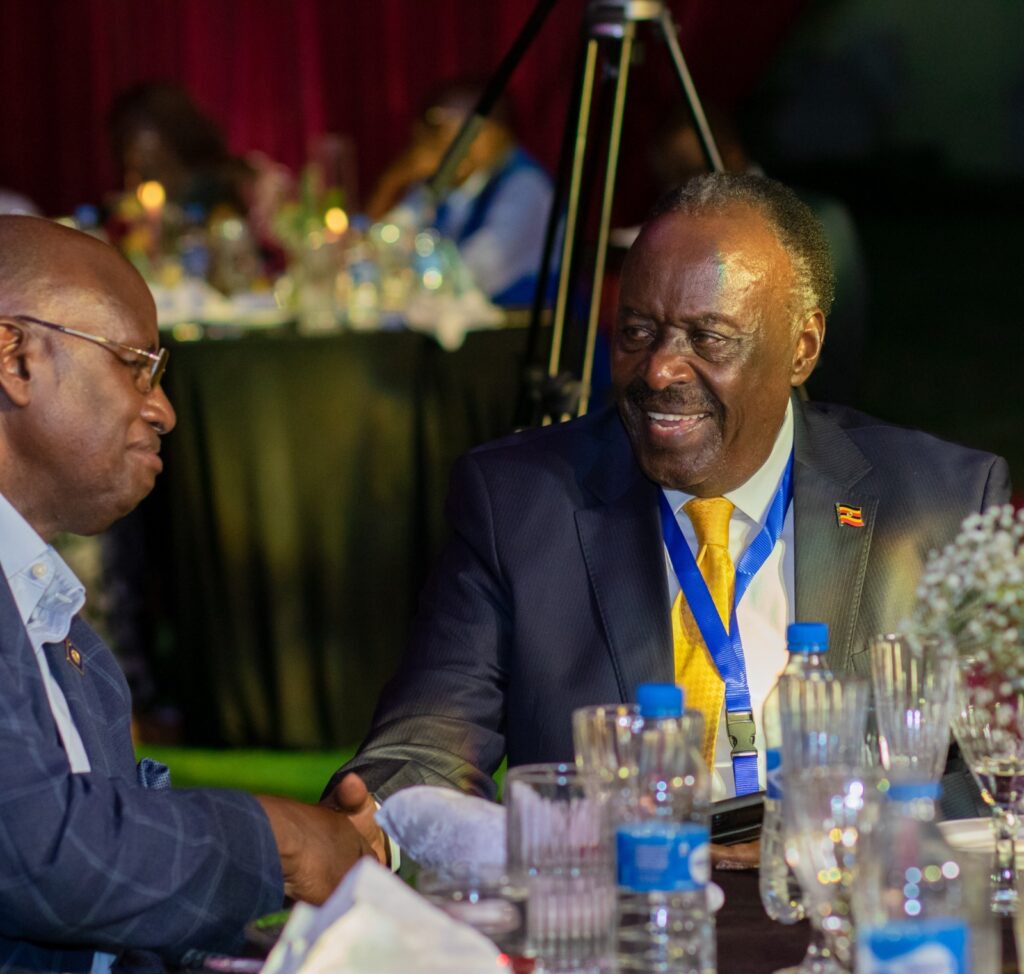
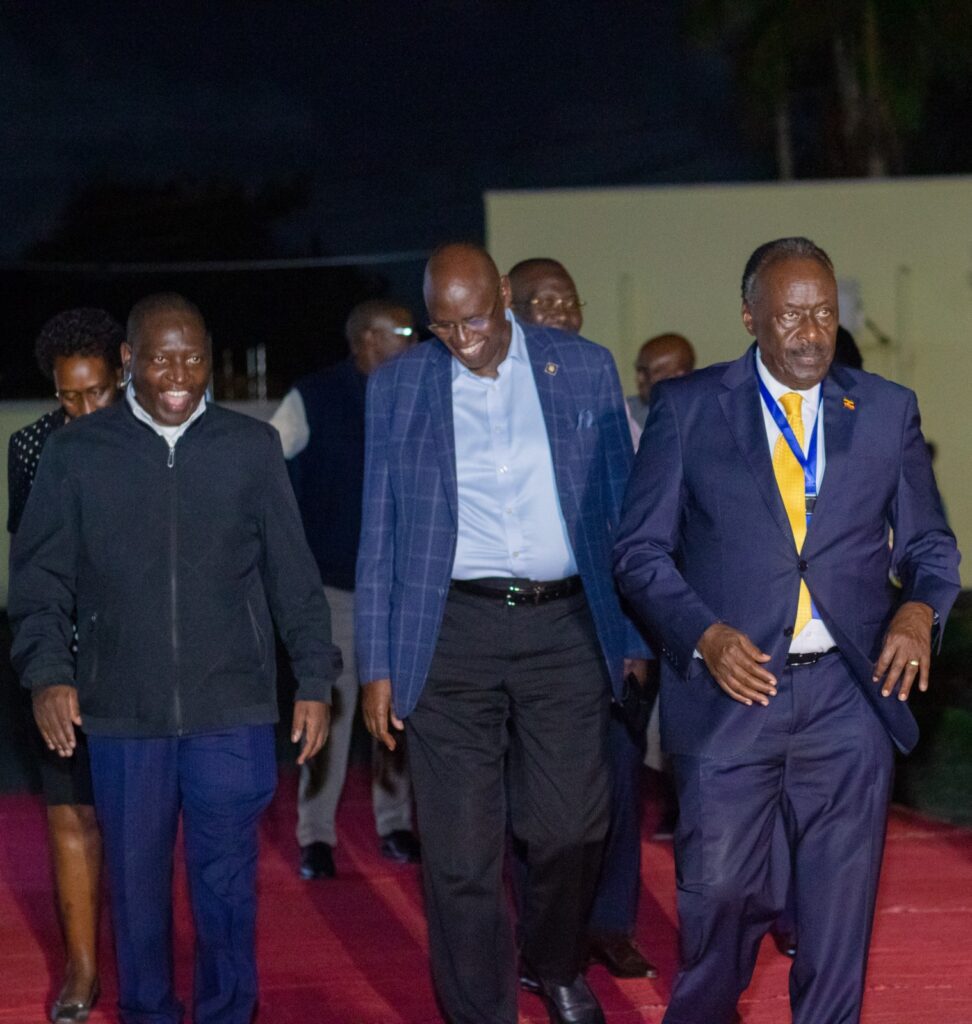
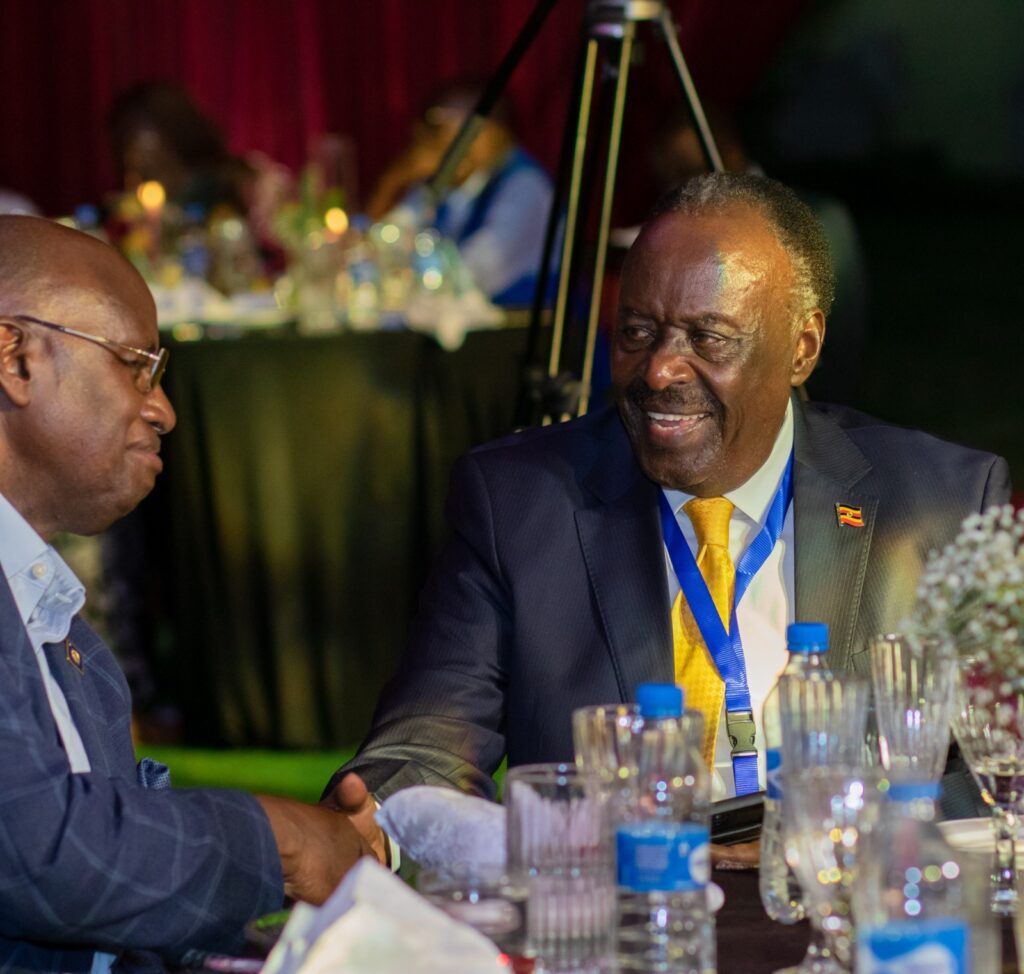
The commitment emerged during an official dinner hosted by the Uganda High Commission as part of the 5th session of the Uganda–Tanzania Joint Permanent Commission (JPC) held in Dar es Salaam late last week.
The meeting brought together officials from both countries to review cooperation in trade, investment and regional integration.
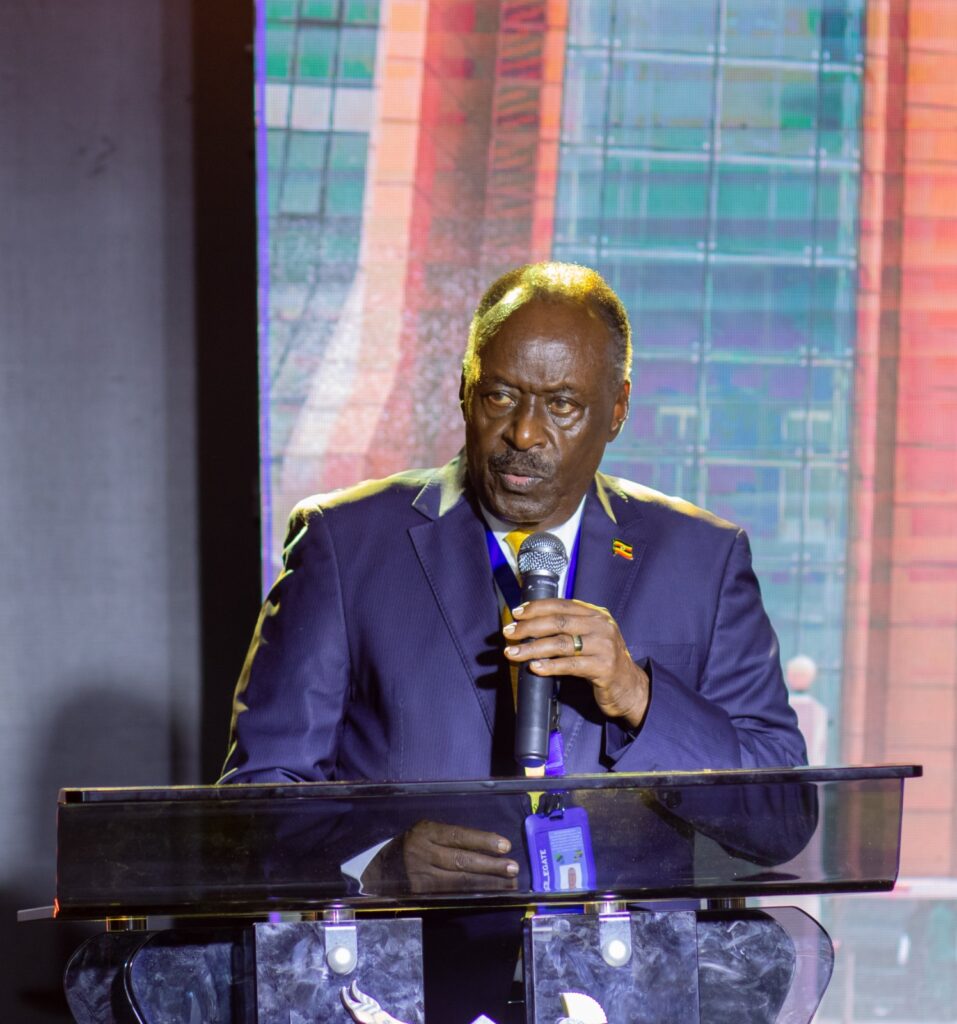
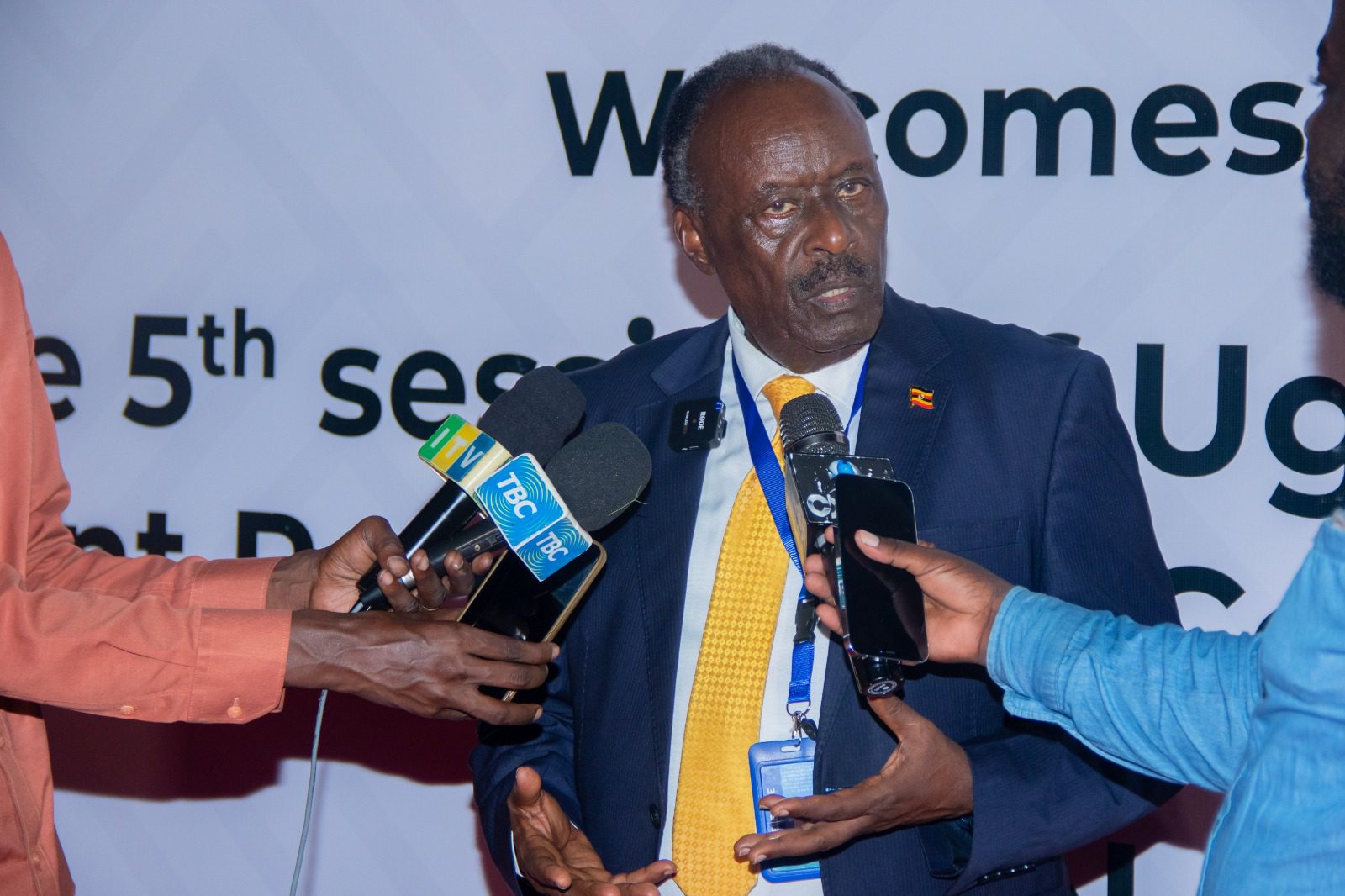
Uganda’s High Commissioner to Tanzania, Fred Mwesigye, said the two nations share a long-standing historical relationship that should translate into smoother and cheaper trade.


He noted that the most significant outcome of the ongoing discussions is the agreement to remove all remaining trade charges and restrictions that increase the cost of moving goods between the two markets.
According to him, tax-related fees and other levies are major cost drivers for traders operating between the two countries, and their removal will significantly reduce transaction costs and make regional trade more competitive.
Mwesigye also commended Tanzania for investing heavily in infrastructure that facilitates regional trade, including improved road networks linking the two countries and plans to extend the Standard Gauge Railway.
He added that improvements at key ports used by Ugandan traders, including Port of Tanga, Port of Mwanza and Port of Dar es Salaam, will make it easier and cheaper for goods to move between the two nations.
“Once the remaining charges are addressed, trade between Uganda and Tanzania will grow even faster,” he said.
Mwesigye further pointed out an imbalance in investment flows between the two economies, noting that Tanzanian investments in Uganda currently exceed $2 billion, while Ugandan investments in Tanzania stand at about $200 million.


“That is a significant imbalance. But once the remaining barriers are removed, we expect Ugandan products such as sugar to enter Tanzania without additional costs, while Tanzanian products like rice will access the Ugandan market more easily,” he explained.
Uganda’s Permanent Secretary for Foreign Affairs and East African Cooperation, Vincent Bagiire, said regional diplomacy is increasingly focusing on economic and commercial interests.
He noted that platforms such as the Joint Permanent Commission are crucial tools for unlocking trade and investment opportunities between neighbouring countries.
Bagiire added that Uganda is also looking to expand exports within the region, including plans to sell electric buses manufactured in Uganda to neighbouring markets such as Tanzania.
Meanwhile, Uganda’s Minister of State for Foreign Affairs, John Mulimba, emphasised that regional integration remains central to strengthening economic cooperation within the East African Community.
He urged officials to focus on implementing existing frameworks such as the Common Market Protocol and the Customs Union so that the removal of trade charges translates into real benefits for businesses.
“We must leave here with clear timelines and responsibilities so that ministries, departments and agencies can implement what has been agreed rather than simply filing the documents away,” he said.