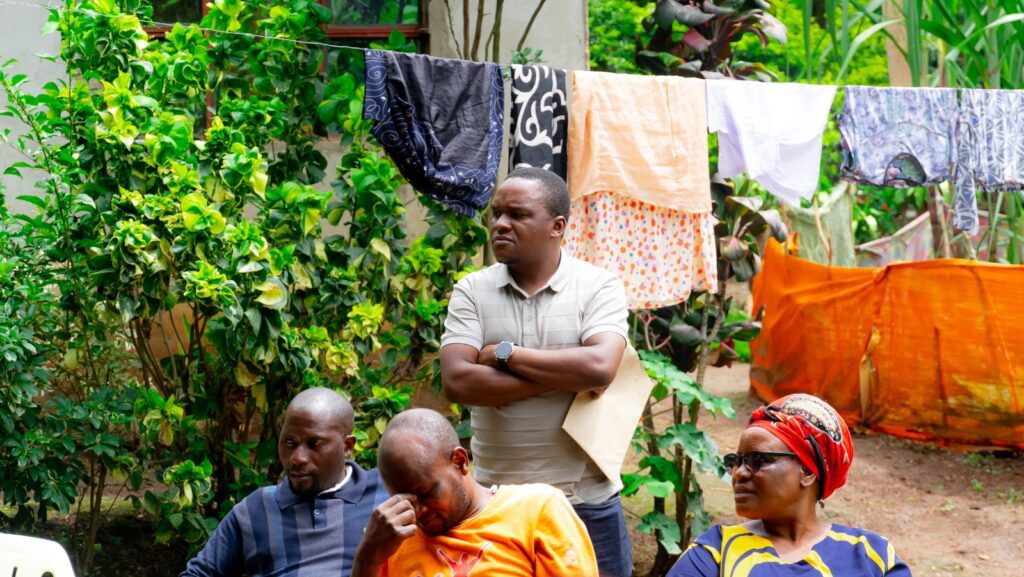



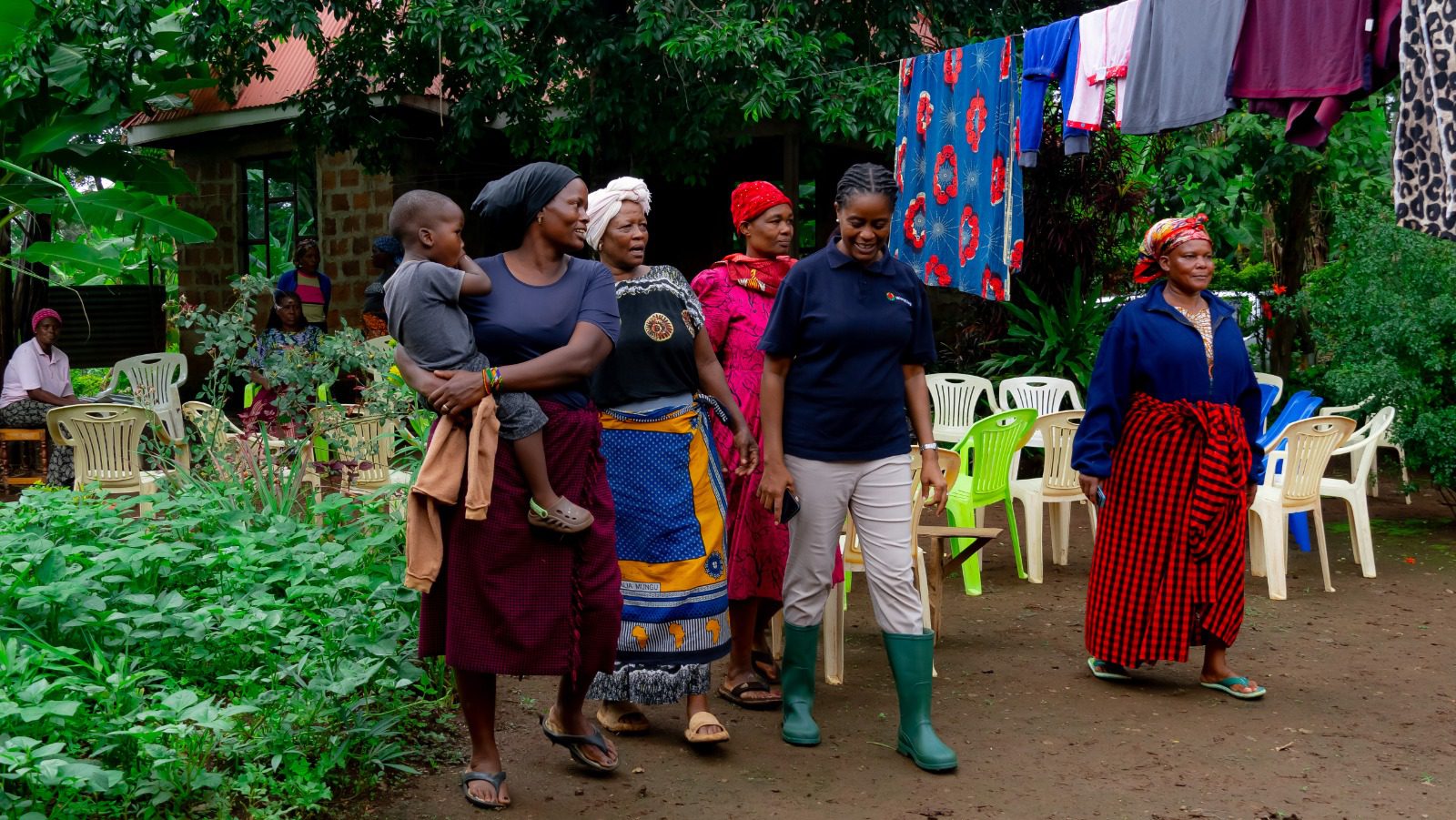
The level of fruit and vegetable consumption in Tanzania remains below 200 grams per day, far lower than the minimum 400 grams daily recommended by the World Health Organization for a healthy diet.
Experts say cultural beliefs and traditional practices are among the key reasons many people consume fewer fruits and vegetables, with some communities perceiving such foods as belonging only to certain groups of people.
Speaking to stakeholders in Moshi, Kilimanjaro Region, the National Coordinator of the Better Diets and Nutrition Project, Wiston Mwombeki, said research indicates that people in many developing countries, including Tanzania, consume less than 200 grams of fruits and vegetables per day.
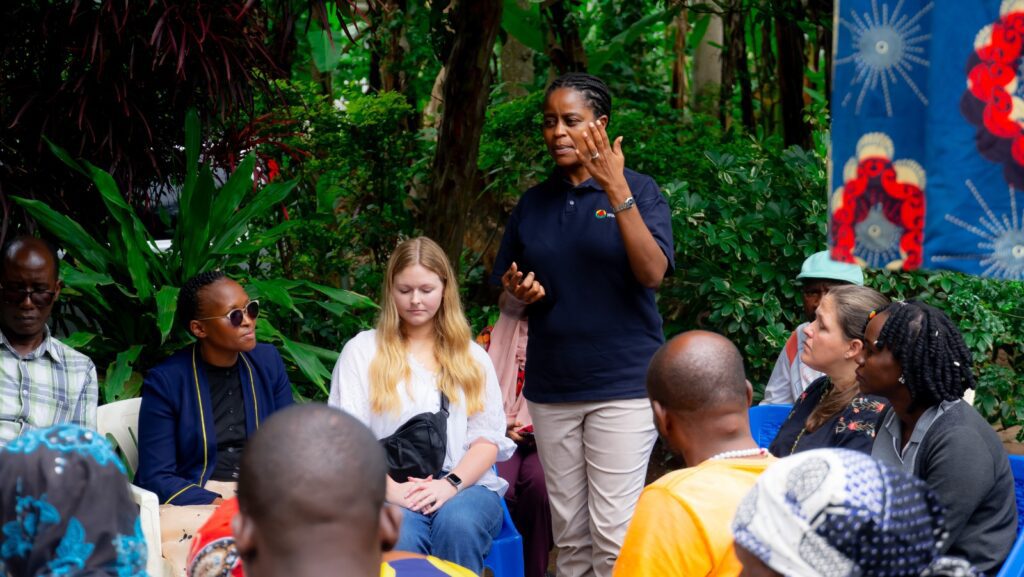
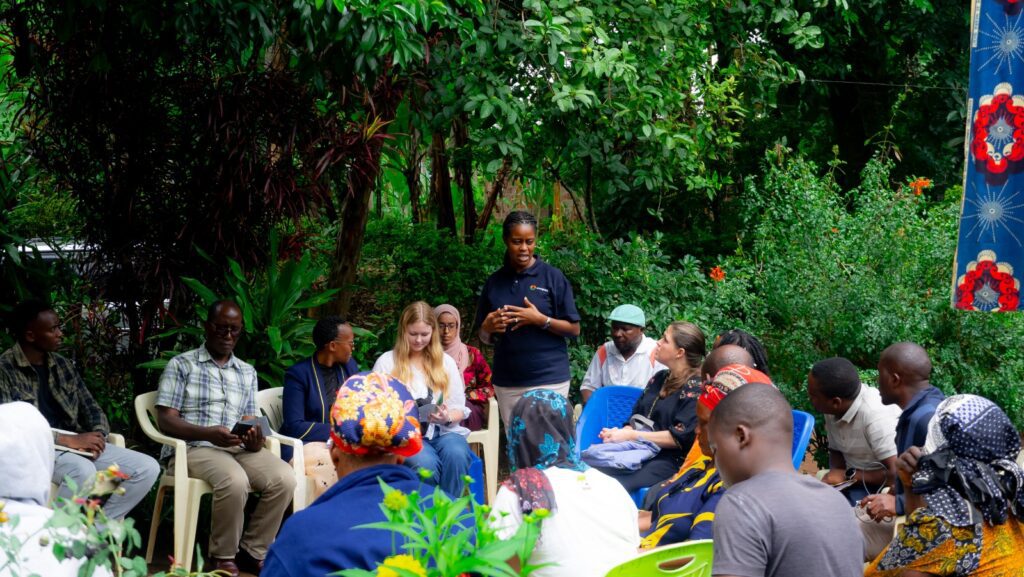
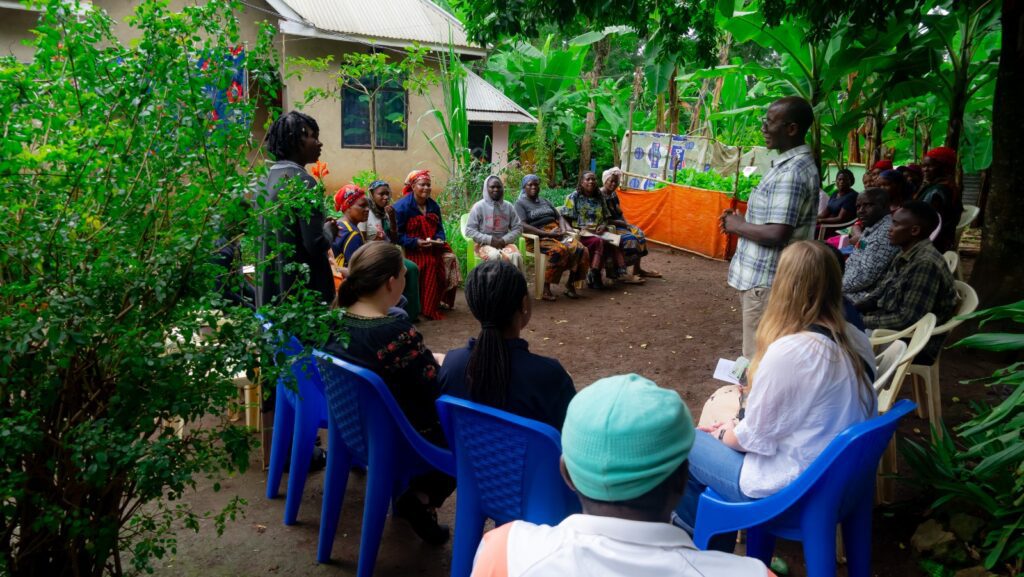
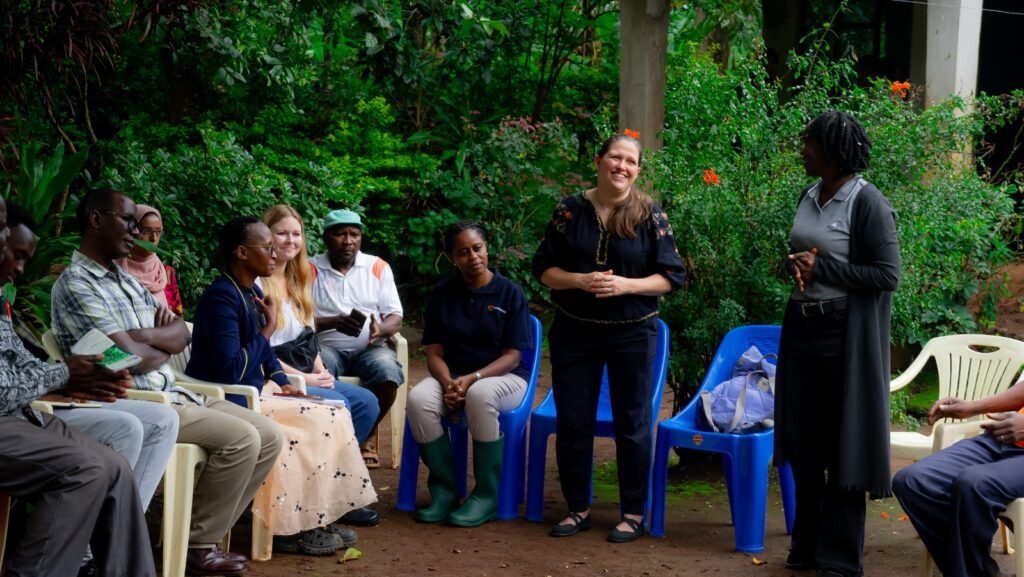
“So we decided to conduct research to understand why people do not eat vegetables. We are carrying out this research in five councils—Meru, Arusha, Siha, Hai and Moshi,” Mwombeki explained.
He said the project aims to identify practical ways to improve fruit and vegetable consumption while also addressing broader issues of proper nutrition and healthy diets in communities.
The study is expected to involve about 3,000 residents across the five councils in the Arusha Region and Kilimanjaro Region.
The project is being implemented by World Vegetable Center, International Food Policy Research Institute, Global Alliance for Improved Nutrition, and Sokoine University of Agriculture.
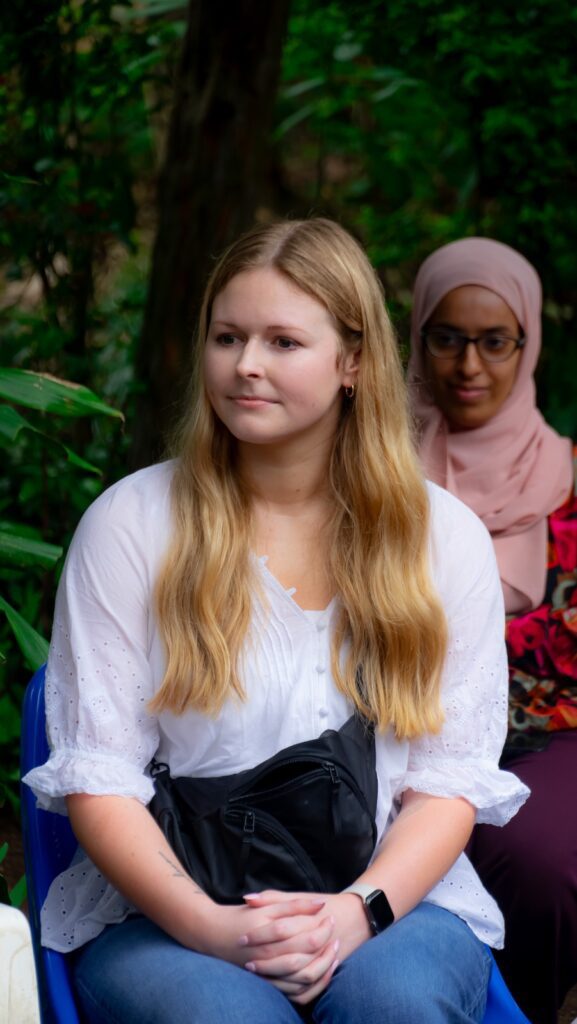
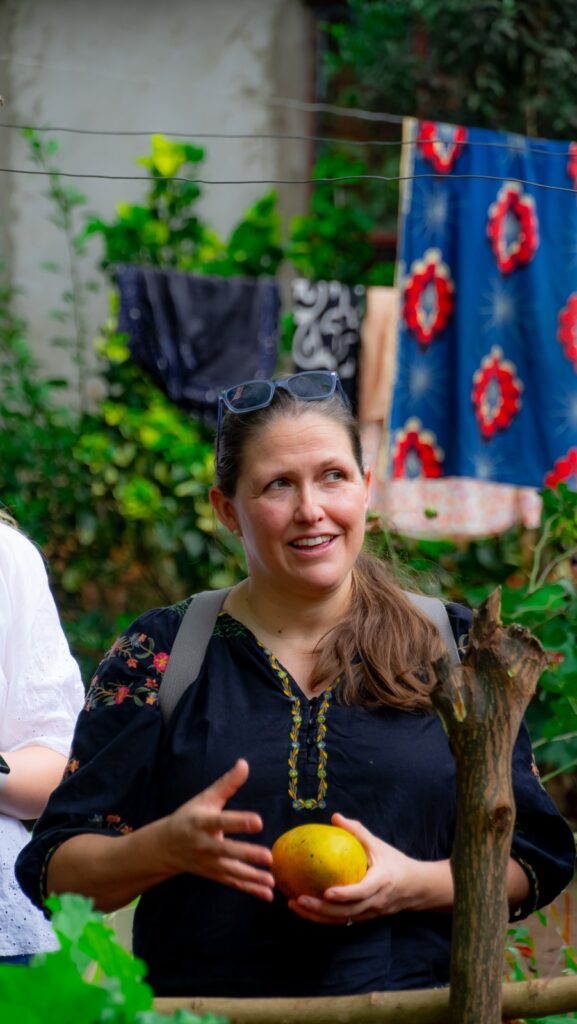
A senior nutrition expert from Sokoine University of Agriculture, Joyce Kinabo, said researchers are currently examining strategies to increase the consumption of vegetables and fruits within communities.
“As researchers, we collaborate with other practitioners to generate data that will answer several questions we identified during this project,” she said.
Prof. Kinabo added that data collection for the research has already been completed and the findings have been analyzed.
“We are now ready to return to the community to present the findings of the research so that we can gather their feedback,” she said.
She noted that researchers are also exploring possible interventions that could be introduced in communities, with the measures expected to be developed jointly by researchers, community members and other stakeholders.