



Geneva, Switzerland, March 2026
International human rights organizations Amnesty International and Human Rights Watch have acknowledged that their reports on alleged human rights violations before, during and after Tanzania’s General Elections of 29 October 2025 did not capture all relevant perspectives, particularly those of the Government and its institutions.
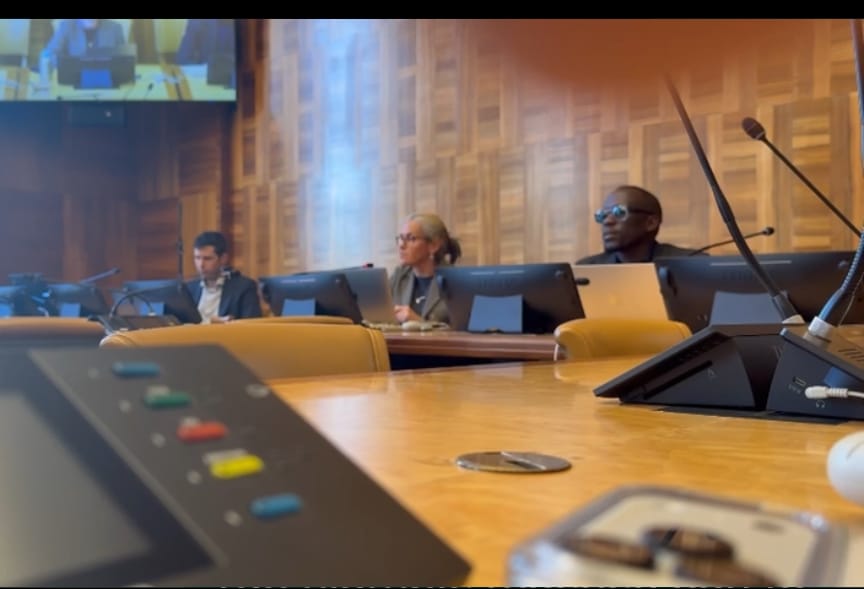
This emerged during a side event held on 12 March 2026 on the margins of the 61st Session of the United Nations Human Rights Council in Geneva, Switzerland. The session was organized by Human Rights Watch and Amnesty International and moderated by Ms. Lucy McKernan, Deputy Director of Human Rights Watch at the United Nations Office in Geneva.
Participants in the event included representatives from United Nations Member States, the European Union, international non-governmental organizations, and various human rights experts, who engaged in discussions on the events surrounding Tanzania’s 2025 elections.
During the discussions, it was indicated that the reports presented on Tanzania relied largely on interviews, documents and other materials reflecting one side of the events under review. In addition, Ms. Gina Romero, the United Nations Special Rapporteur on the rights to freedom of peaceful assembly and of association, explained that various methods were used in compiling the findings, including interviews and reviews of existing reports before the conclusions were made public.
Presentations during the session were delivered by Mr. Oryem Nyeko, Senior Researcher for Africa at Human Rights Watch, Mr. Tito Magoti, lawyer at the Centre for Strategic Litigation, and Mr. Sikula Oniala, researcher at Amnesty International. The speakers outlined issues they had identified regarding the October 2025 unrest in Tanzania, largely reflecting the orientation of the earlier reports issued by the two organizations.
However, in the discussion that followed, it became evident that the organizations had not conducted substantive engagement with the respondents to the allegations, namely the Government of the United Republic of Tanzania and its institutions, before finalizing their reports. It was explained that although letters requesting interviews had been sent, responses were delayed, and the reports were therefore prepared and released without fully incorporating the Government’s perspective, which is a key party to the matter.
Several participants at the event, including representatives from Zimbabwe and Germany, raised questions regarding the reliance on reports that had not reflected the views of all relevant parties. In their interventions, they emphasized the importance of awaiting the findings of the Commission of Inquiry established by the President of the United Republic of Tanzania, which, according to its terms of reference, is engaging a wide range of stakeholders and has created multiple channels for receiving evidence, views and recommendations, including through online platforms.
Participants also discussed the broader context of the incidents, including the risks of property destruction and loss of life during the unrest. It was noted that in such circumstances governments have a responsibility to use lawful measures to restore order and protect citizens and property. At the same time, contributors emphasized that accountability should apply to all parties, including individuals inside and outside Tanzania who used inflammatory language before and after the elections in ways that could have contributed to unrest and disruption of peace.
In addition, the representative from Germany cautioned that actors promoting inflammatory rhetoric in East African countries, including Tanzania, Uganda and Kenya, should be closely monitored ahead of Kenya’s General Election scheduled for August 2027, so as to prevent a recurrence of situations that could threaten peace and stability in the region.
The discussion highlighted the importance of ensuring that investigative reports are informed by perspectives from all relevant parties in order to strengthen balance, factual accuracy and credibility in information presented to the international community. Tanzania continues to emphasize the importance of due process, balanced inquiry and accountability grounded in evidence, with the broader objective of safeguarding peace, stability and the rule of law.