



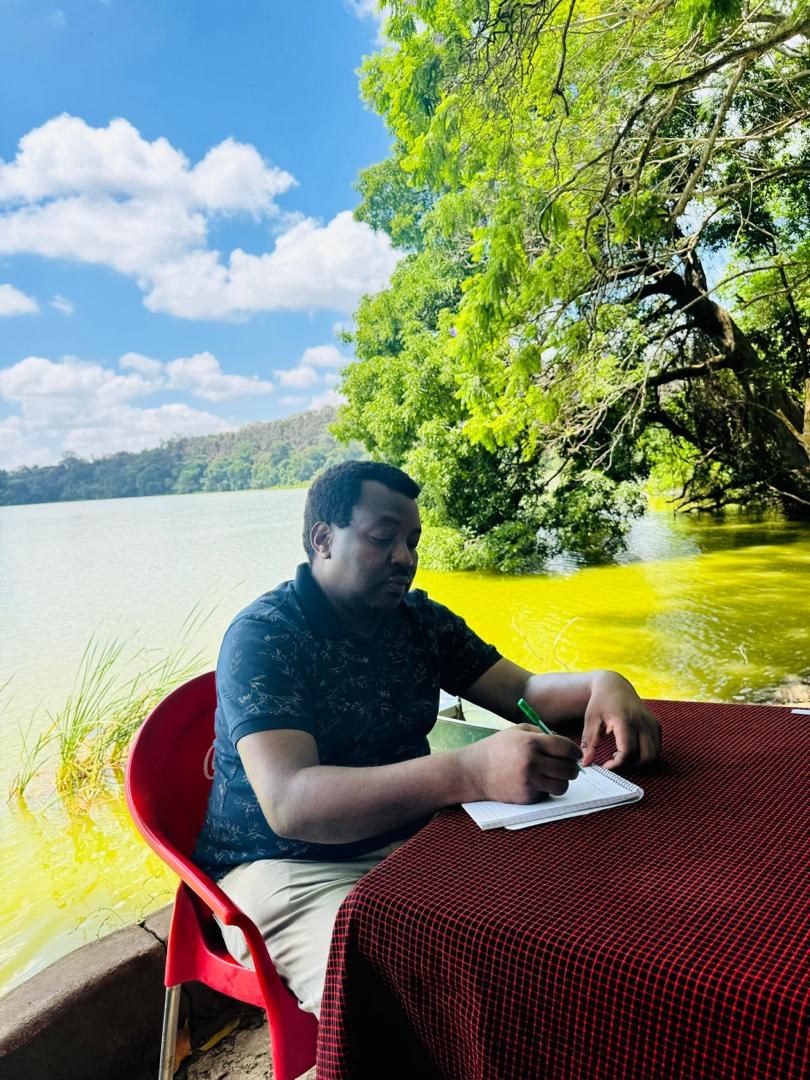
By Dennis Joe Msacky
My journey to write a review article about Lake Duluti Forest in Arusha was entirely unplanned, initially the plan was to go to Arusha National Park where I thought I would have a better chance of writing a review piece.
Before leaving my hotel for Arusha National Park, I briefed Baraka Mushi—a city taxi driver based in Arusha—about the task that I had at hand.
From his expressions, he seemed to like my idea of writing a review in a natural setting, and he immediately advised that Lake Duluti Forest would be the best place given the distinctive calm that it offers.
His fondness for this place which he referred to as a gem was unequaled, and it was at that point that I inquired of why he thinks it is so unique
According to Baraka, the scenic beauty and the calm plus the cool breeze from the lakeside which is unpolluted by human activities was something wroth chasing.
Acting like a suitor, Baraka’s description swept me off my feet like a teenager falling in love with a stranger – in a moment of a total eclipse of the heart, I changed my mind.
The journey to Lake Duluti Forest journey took us 20 minutes’ drive from Arusha City Center and upon arrival, it was as good as ‘advertised’- the tranquility, fresh air, and, more importantly, connection that one gets with mother nature.
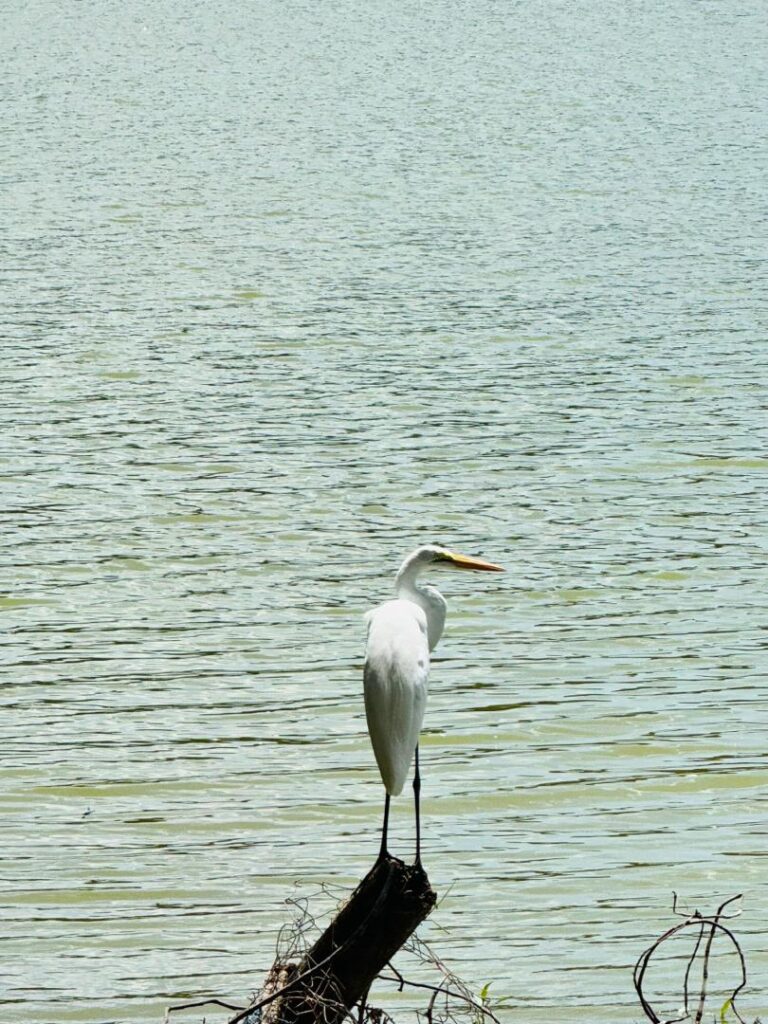
Under the canopy of tropical trees. which host over 105 types of birds and surround Lake Duluti, provides a special relaxation for both locals and foreigners and from a distance I could see several revelers take boat rides.
It was still morning, and I was greeted by a chorus of birds singing whereas as others busied themselves with breakfast, diving into the calm water to catch fish.
The forest felt virgin and alive, thick with trees, grasses and herbal plants, and home to small wild animals—an unspoilt setting that makes the area a place well worth visiting
Thomas Mollel was the tour guide who was attached to take me around the place and as part of it he introduced me to boat riding, sport fishing, short walks to see different species of trees and plants, and food and beverages.
Although the sun was shining, the shade of the surrounding trees made me feel comfortable and relaxed while enjoying nature’s thrills.
The shaded surroundings of the trees added the beauty to the lake with its reflection. In the afternoon, while having food and drinks, I saw a group of young people taking pictures—a service I was told is offered free of charge.
The place attracts people who love walking and hiking on natural paths without harming the local ecology. One lesson I learned is that officials at the site prohibit people from dumping waste in the lake or using fuel-powered boats to avoid pollution.
Since the place is protected by the Tanzania Forest Services, it is forbidden to cut trees or litter near or around the lake.
For the several hours that I sat by the lakeside I realised that it is an excellent setting for personal relaxation and when need be- a family getaway.
However, one slight let down was customer care was and with some improvements it would meet the standards that many of the visitors are accustomed to elsewhere.
But even then, Lake Duluti Forest remains an appealing spot for visitors and a valuable site for researchers interested in environmental and ecological studies.
Dennis Joe Msacky – Advanced Scholar, Portsmouth University, Faculty of Creative and Cultural Industries