




As Tanzania’s skylines continue to evolve, architects and construction experts are increasingly calling for a shift in building design—one that reflects the country’s cultural identity rather than replicating foreign styles.
Speaking in Dar es Salaam at the launch of Ubora Design, architect Joseph Charles raised concerns about the growing preference for imported architectural styles, even as the construction sector expands rapidly. He warned that this trend risks eroding Tanzania’s cultural heritage and weakening its distinct identity in the built environment.
For decades, modern construction across many African cities has leaned heavily on global design trends. Glass façades, steel structures and minimalist aesthetics—often borrowed from Europe, Asia and North America—have come to symbolise progress and modernity. However, experts argue these styles frequently overlook local context, climate and cultural expression.
Charles believes Tanzania is at a critical turning point.
“We should not rush blindly into modernity,” he said. “Our buildings must reflect who we are as Tanzanians. Architecture is not just about shelter—it is a statement of identity.”
His remarks echo a broader debate within the architectural community, where issues of identity, sustainability and cultural preservation are increasingly interconnected. For Tanzania, this conversation is particularly important given its rich diversity of traditions, materials and indigenous building techniques developed over generations.
Architect Diana Ngote emphasised that integrating Tanzanian and broader African cultural elements into design can significantly enhance both the quality and uniqueness of buildings. She noted that culturally grounded architecture has the potential to set Tanzania apart on the global stage.
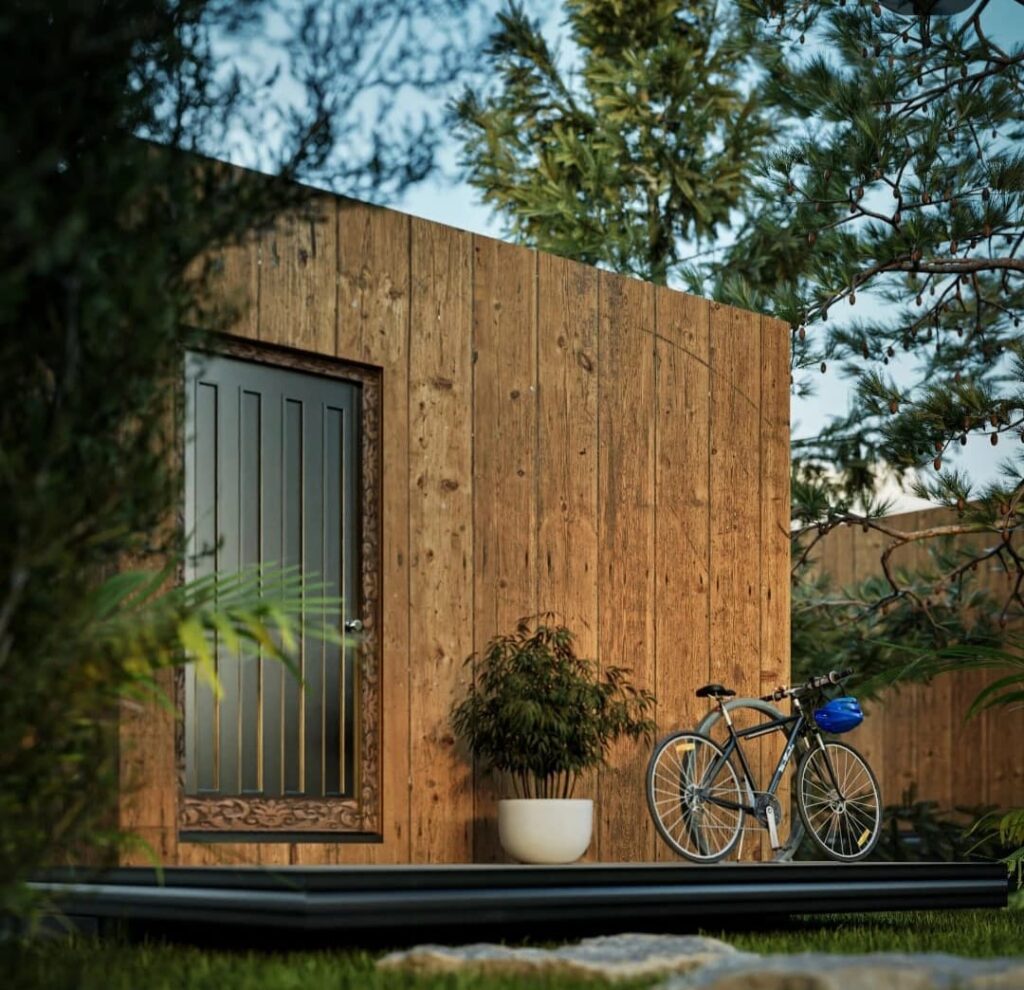
“There is beauty and value in our heritage,” she said. “When we incorporate it into design, we create structures that are not only functional but also meaningful.”
Ngote, a graduate of Ardhi University, added that some designers are already embracing natural materials and responding more thoughtfully to their surroundings. These approaches include using locally available resources such as stone, timber and earth, alongside designs that maximise natural ventilation and lighting—well suited to Tanzania’s climate.
However, she acknowledged that such practices remain limited. Many developers and homeowners still favour international styles, often viewing them as symbols of status and modern living. Experts say this perception remains a key barrier to promoting culturally rooted architecture.
Beyond aesthetics, the push for localised design also carries economic and environmental advantages. Using local materials can lower construction costs and support domestic industries, while climate-responsive designs can reduce energy consumption—an important consideration as urban areas continue to expand.
Experts are now urging the government to take a more active role in promoting culturally conscious construction. Suggested measures include public awareness campaigns, incentives for local design innovation and policies that encourage the use of indigenous materials and techniques.
They also stress the importance of investing in young professionals. With a new generation of architects entering the field, there is a valuable opportunity to redefine Tanzania’s architectural narrative. Equipping young designers with both technical expertise and a strong appreciation of cultural heritage could help foster a more distinctive and sustainable built environment.
The call comes as cities such as Dar es Salaam undergo rapid transformation, with new commercial and residential developments reshaping urban landscapes. In this context, the choices made today will have a lasting impact on how Tanzanian cities look and feel in the future.