



For more than 25 years, illegal, unreported, and unregulated fishing in the South West Indian Ocean was largely treated as a technical fisheries issue. It was discussed in regulatory forums, captured in surveillance reports, and addressed through isolated enforcement operations. Along the coastlines of East Africa and South West Indian Ocean countries, however, the consequences have never been abstract. They have been felt in declining fish stocks, shrinking incomes, and mounting pressure on communities whose livelihoods depend on the sea.
Particularly, the East African coastline stretches 4,600 kilometers and supports more than three million people who rely directly on fisheries for their livelihoods. Coastal fisheries produce over 1.5 million metric tons of fish annually, forming a critical pillar of food security and economic stability. Yet this foundation has been under constant threat.
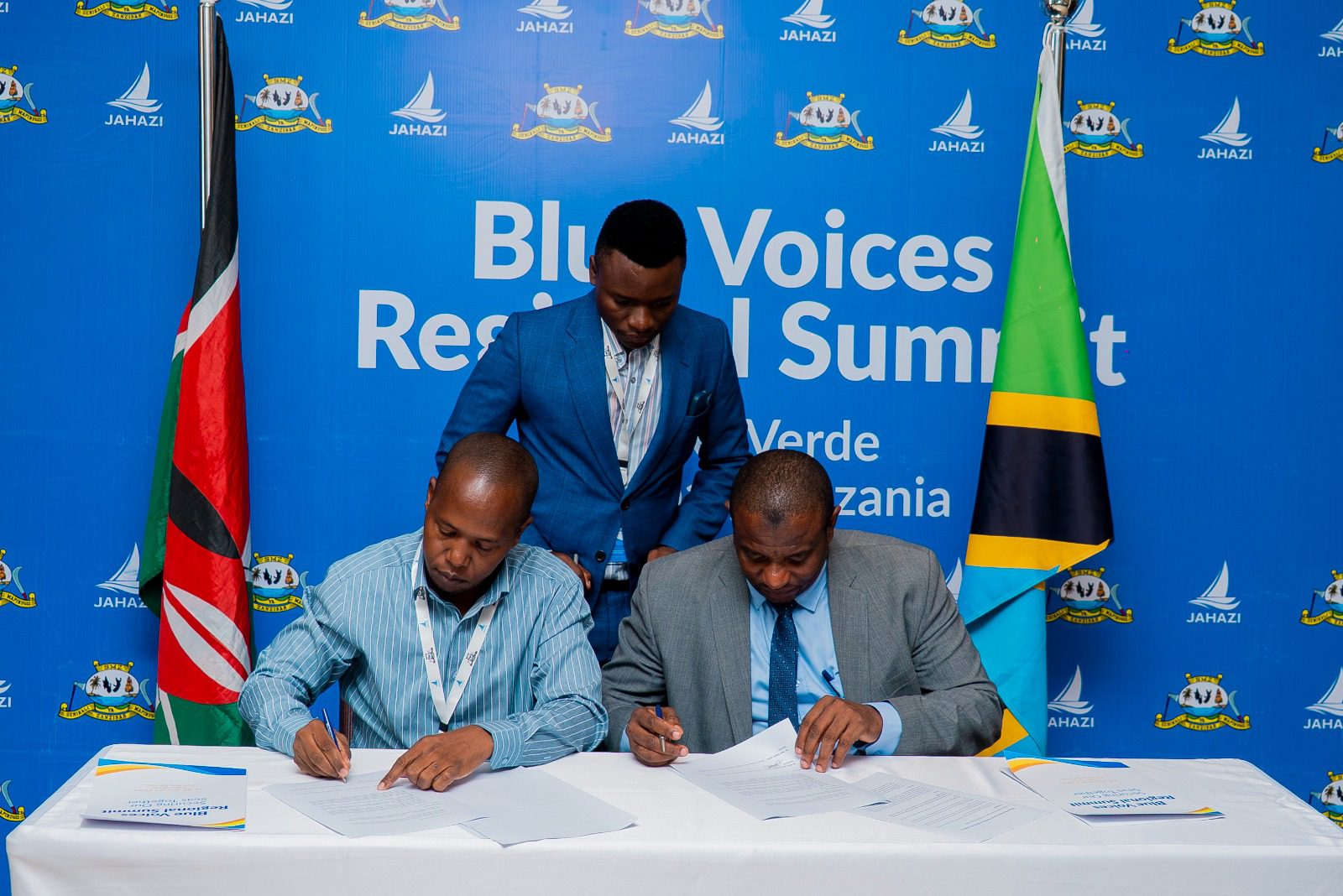
Over the past six months, the Jahazi Project has helped to reshape the regional perspective and direction with regard to the illegal, unregulated, and unreported fishing (IUUF). Implemented directly and indirectly across mainland Tanzania and Zanzibar, Kenya, Mauritius, Mozambique, Comoros, Seychelles, and Madagascar, the initiative moved the issue beyond technical fisheries management toward a broader dialogue about sovereignty, development, and shared responsibility. That engagement culminated in the signing of the Resolutions and Recommendations Pact on 28 January 2026 in Zanzibar.
The scale of the challenge is significant. The South West Indian Ocean region loses an estimated US$415 million annually to illegal fishing. Government-backed foreign distant-water trawler fleets are extracting vast quantities of fish at an unsustainable pace, depleting stocks, disrupting breeding cycles, and polluting East African coastlines with large volumes of discarded catch deemed unprofitable to process. A major driver is the People’s Republic of China, which operates a multibillion-dollar global fishing industry and has fueled a surge of vessels linked to illegal activities and the exploitation of fishing grounds off East Africa’s coast.
In Tanzania alone, economic losses linked to IUUF are estimated at approximately US$142.8 million per year between 2015 and 2021, largely driven by illicit shrimp and tuna harvesting. Tanzania ranks 82nd globally in exposure to IUUF, with a risk score of 2.81.
Kenya faces similar pressures. IUUF is estimated to account for between 30 and 40 percent of the country’s total fish catch. Kenya ranks 86th globally with a risk score of 2.22, reflecting moderate to high vulnerability. Marine fish biomass in Kenya is projected to decline by up to 40 percent by 2050, a trend that directly threatens artisanal fishing communities along the coast.
In Zanzibar, where the blue economy employs approximately 33 percent of the population, the implications are profound. Across Tanzania, diminishing nearshore fish stocks have already forced 75 percent of fishers to venture offshore, increasing costs and exposure to risk for small-scale operators.
Island and coastal economies across the region face comparable vulnerabilities. Mauritius and Seychelles rely heavily on tuna fisheries and marine exports for national revenue. Underreporting and illegal harvesting weaken public income streams and strain monitoring systems. In Mozambique and Madagascar, where coastal fisheries underpin rural employment and subsistence nutrition, illegal fishing intensifies poverty in communities already vulnerable to climate shocks. In Comoros, where fisheries are central to protein supply and informal employment, illegal extraction directly threatens food security and economic resilience.
Beyond financial losses, the deeper crisis lies in structural fragmentation.
That reality was openly acknowledged during the Blue Voices Roundtable held in Dar es Salaam in September 2025 under the Jahazi Project framework. Regional leaders and technical experts agreed that illegal fishing persists not because of a lack of awareness or technology, but because of gaps in coordination.
Dr. Matthew Silas of Tanzania’s Deep Sea Fishing Authority highlighted the region’s growing surveillance capacity, including vessel monitoring systems and satellite tracking. However, he noted that technology alone cannot close coordination gaps between jurisdictions.
Participants emphasized that vessel registration systems are not fully interoperable, penalties differ across countries, and real-time intelligence sharing remains inconsistent. These weaknesses allow illegal operators to shift across maritime borders and exploit uneven enforcement regimes.
The discussions also brought the human impact into sharper focus.
Artisanal fishers are forced to travel farther offshore as nearshore stocks decline, increasing fuel costs and reducing daily catch volumes. Women engaged in fish processing and seaweed farming face unstable supply chains and reduced income security. Coastal youth encounter fewer employment opportunities. Marine ecosystems suffer biodiversity loss that undermines long-term regeneration. Governments lose critical revenue that could strengthen enforcement and community services.
Dr Baraka Sekadende of Tanzania’s Ministry of Livestock and Fisheries underscored the broader implications, stating that IUU fishing is not only a fisheries issue but a human development issue. When fish stocks decline, food security weakens, household income falls, and economic opportunity narrows.
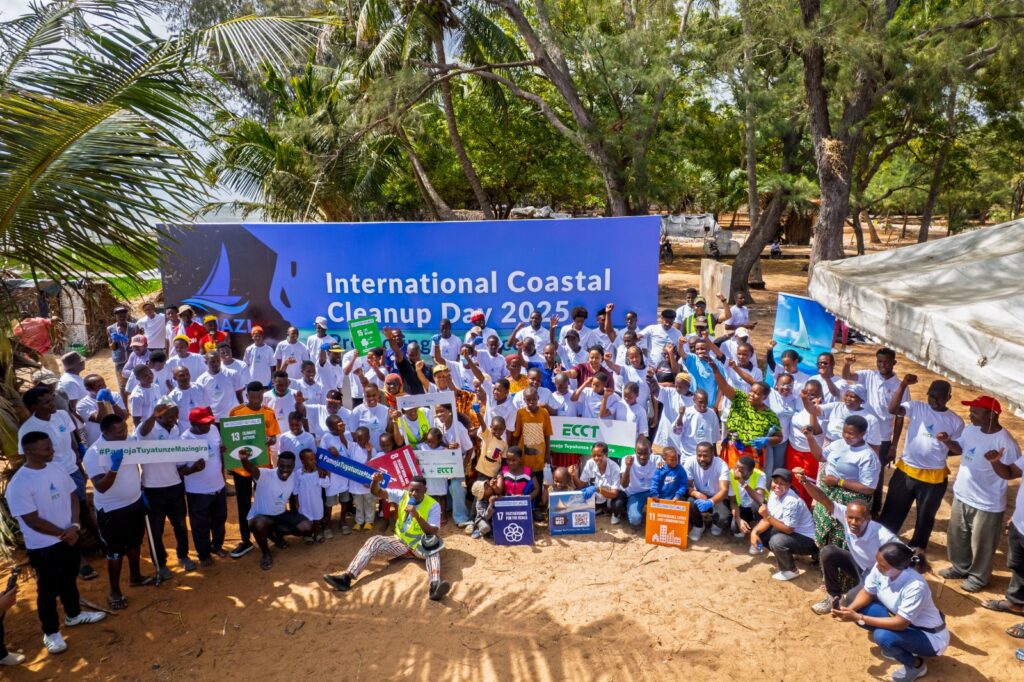
Recognizing that maritime sovereignty must be reinforced by community stewardship, the Jahazi Project also advanced grassroots engagement. During International Coastal Cleanup Day in Dar es Salaam, stakeholders connected marine litter, illegal fishing, and blue economy protection within a unified framework of shared responsibility. Project spokesperson Michael Mallya reminded participants that the ocean represents both inheritance and future, and that protecting it is a collective obligation.
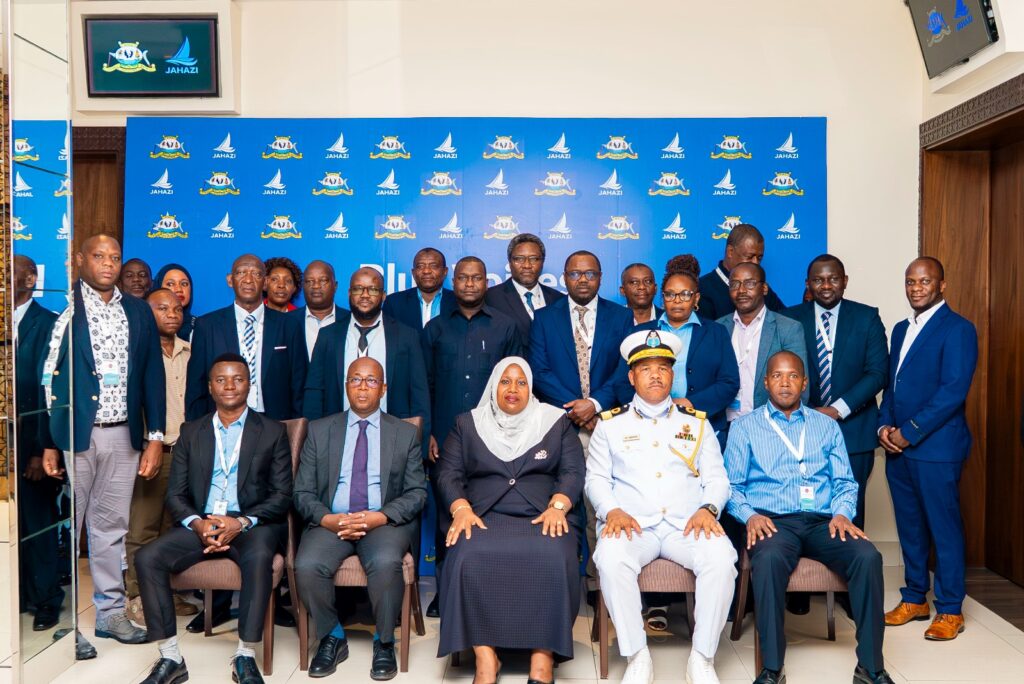
The structural gaps identified in Dar es Salaam ultimately prompted a higher-level political convening. This led to the Blue Voices Regional Summit held in Zanzibar in January 2026, co-hosted by the Government of Zanzibar, bringing together government representatives, technical institutions, legal experts, port authorities, researchers, and civil society organisations from Zanzibar, Mainland Tanzania, and Kenya. The Summit focused on a shared regional challenge: how countries in the South West Indian Ocean can work together more effectively to combat IUUF and foreign vessels to strengthen sustainable Blue Economy governance.
At the Summit, maritime sovereignty became the central theme. Captain Hamad Bakar Hamad, Principal Secretary in Zanzibar’s Ministry of Blue Economy and Fisheries, emphasized that illegal fishing does not respect borders and that regional responses must reflect that reality.
Leonard Bett Cheruiyoti from Kenya’s Office of the Attorney General highlighted the enforcement dimension, noting that when penalties are weaker in one jurisdiction, criminal activity shifts accordingly. Harmonization, he argued, is essential for deterrence.
The Summit concluded with the signing of the Resolutions and Recommendations Pact, formalizing a regional commitment to strengthen regulatory harmonization, enhance intelligence sharing, align enforcement mechanisms, and close jurisdictional loopholes across the South West Indian Ocean.
The region’s waters remain open to lawful trade and cooperation. What has changed is the collective resolve to prevent exploitation.
The Jahazi Project transformed a fragmented technical discussion into a coordinated regional front. Sovereignty at sea in the South West Indian Ocean is no longer addressed in isolation. It is now being advanced collectively through strengthened cooperation, deeper coordination, and a shared recognition that one ocean requires a unified regional response.
You can learn more about the Jahazi Project and sign the pledge to say no to illegal fishing on our website.