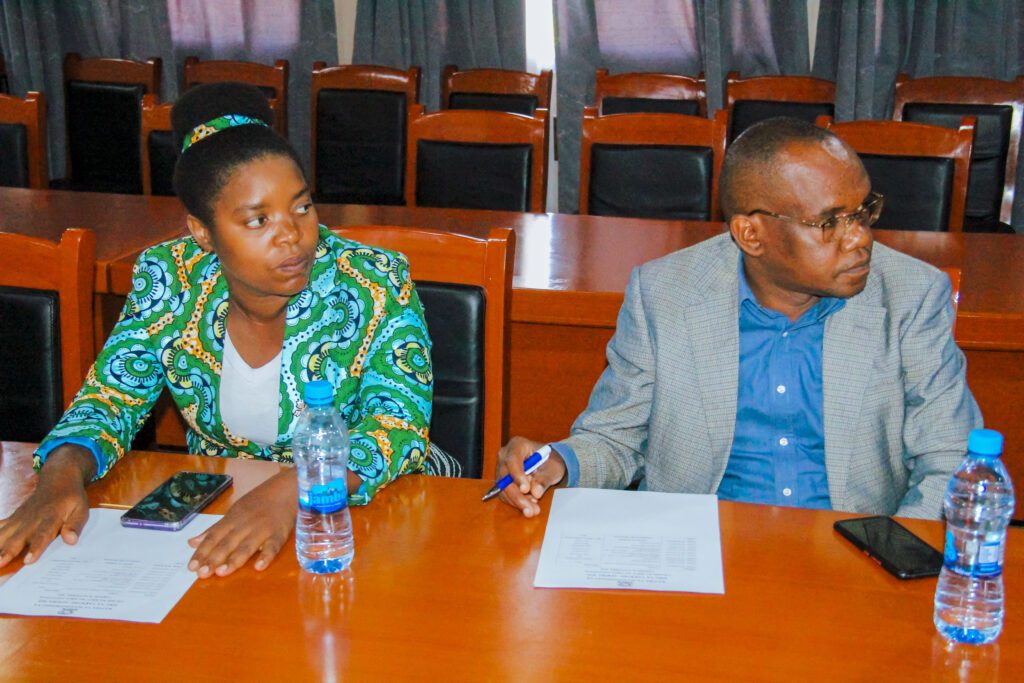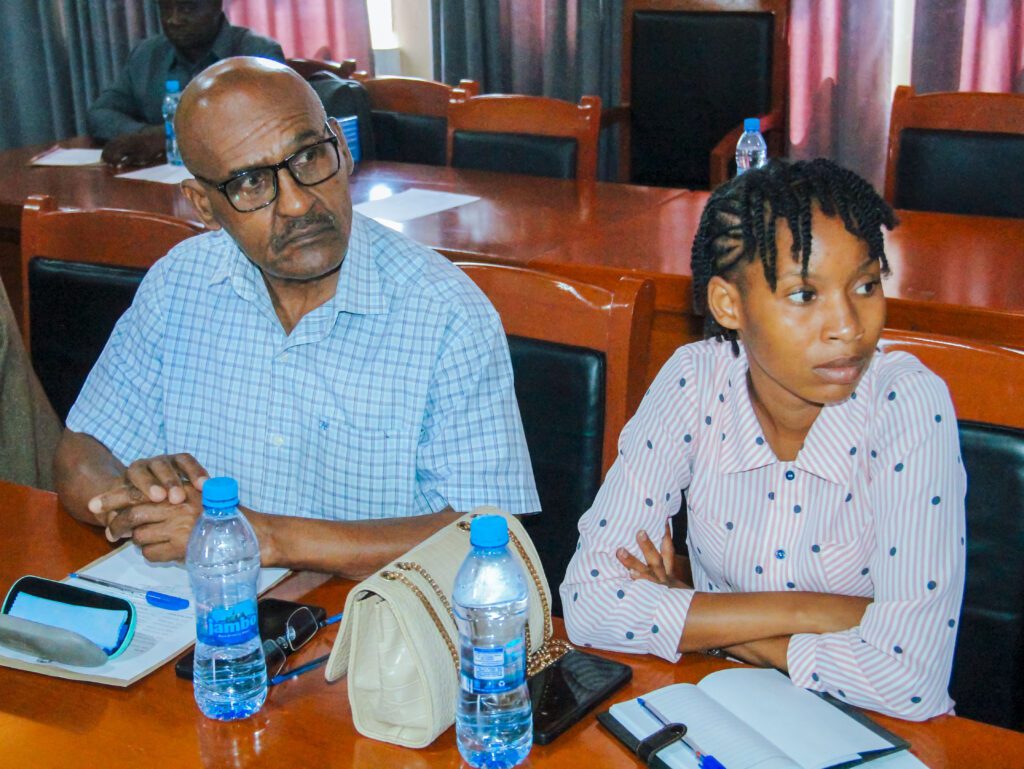




The population of Shinyanga Region is expected to double to more than 4.4 million people by 2050, from 2.2 million according to the 2022 Population and Housing Census.
This was stated today, November 18, 2025, by the Shinyanga Regional Manager of the National Bureau of Statistics (NBS), Eriud Kamendu, while presenting a report on population estimates at the celebration of Statistics Day in the Western Africa Region held in the region.
He said that the population in Shinyanga Region is increasing rapidly, with estimates that by 2050 there will be about 4.4 million people, up from 2.2 million, and that men will be 2.201 million and women 2.24 million.
“These estimates show that the population in Shinyanga Region is growing rapidly, increasing from 2.3 million people in 2023 to 4.4 million people in 2050, where the population in the Region will double over the next 22 years,” said Kamendu.
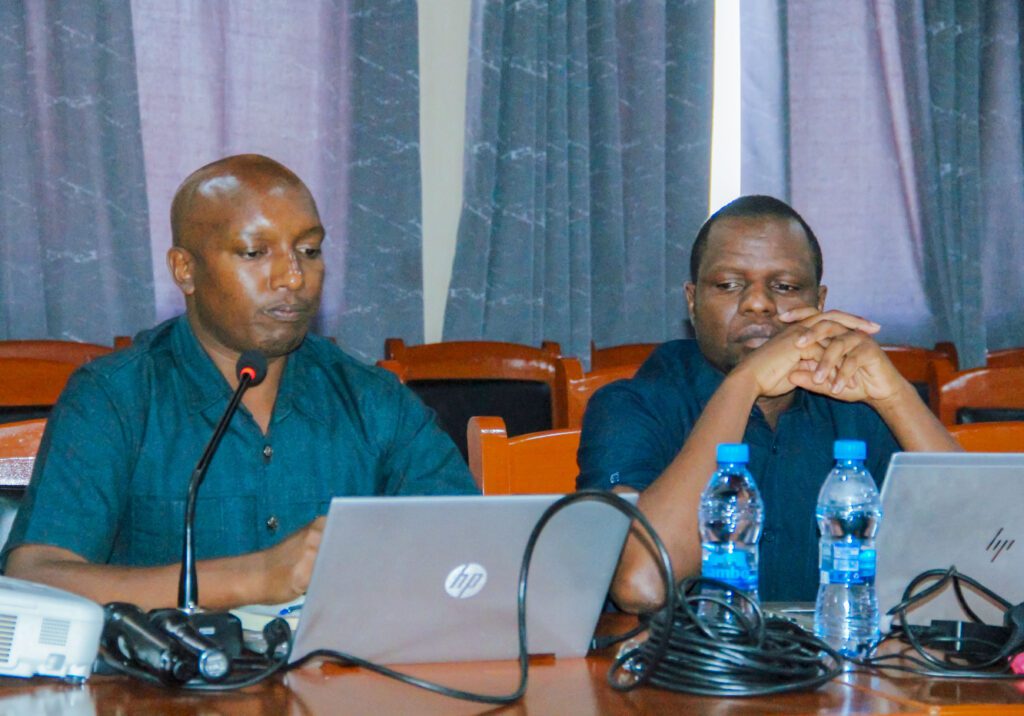
Acting Kigoma Regional Statistics Manager, Hemed Nkunya, presenting the Shinyanga Region’s income report, said Shinyanga ranks 17th in terms of contributing more than 3 percent to the National GDP, with per capita income estimated at 2.3 million shillings per year.
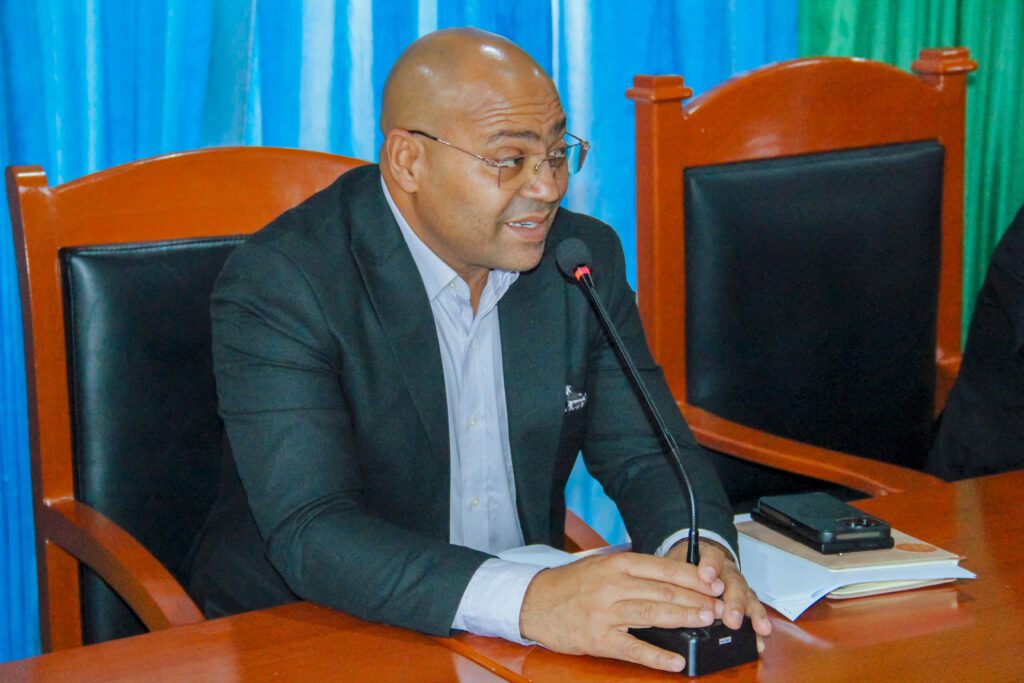
For his part, Shinyanga Regional Commissioner, Mboni Mhita, said accurate statistics are the basis for development and good planning of social services, especially when the government plans budgets and investments based on population growth.
He said the estimated increase in the population of Shinyanga region to 4.4 million people by 2050 from 2.2 million in 2022, that these figures will help the government plan its long-term development plans.
In addition, he urged the National Bureau of Statistics to continue producing accurate statistics for national development plans, and that without accurate statistics, development cannot reach citizens based on equality based on population.
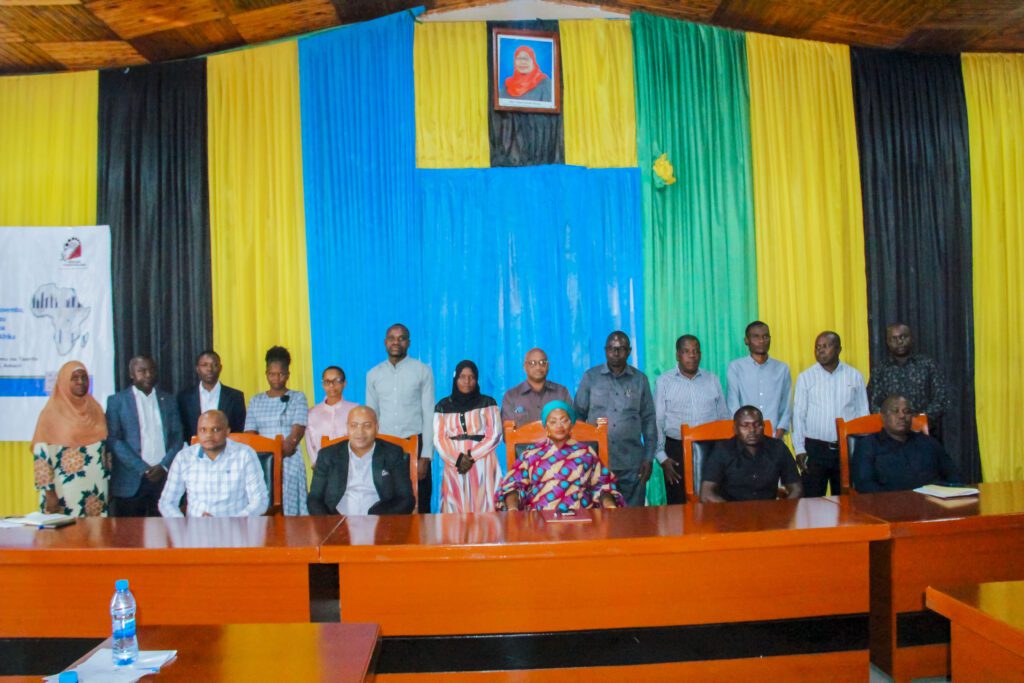
In the Shinyanga Regional Administration, CP Salum Hamdun, said that the celebration of Africa Statistics Day in Shinyanga Region, Western Zone, involved Shinyanga, Simiyu, Kigoma and Tabora Regions.
The theme of the celebration states “to increase creativity in the use of statistics and information to build an inclusive society that cares about justice, peace and development for Africans.”