



By Jonia Bwakea
Development goes far beyond expanding infrastructure or boosting economic growth. True development transforms lives—ensuring that health, education, and dignity are accessible to all. Among these essentials, health stands as the most fundamental foundation for human potential.
Sustainable development is only possible when health—especially maternal health—is prioritized. A nation can thrive only when its people, particularly mothers and children, are healthy, protected, and empowered. The well-being of mothers mirrors the well-being of the nation, making safe pregnancy and childbirth both a moral obligation and a strategic investment.
In Zanzibar, efforts to strengthen maternal healthcare reflect this understanding. Guaranteeing that every pregnant woman receives quality care, regardless of socioeconomic status, remains a key priority. Despite progress—98.9% of pregnant women attend at least one antenatal care (ANC) visit and 79.4% complete four or more—maternal and neonatal mortality rates remain a challenge. Neonatal mortality stands at 42 per 1,000 live births (TDHS 2022). This demonstrates that improving maternal health requires not just attendance but ensuring quality at every visit.
Persistent inequalities continue to affect the most vulnerable, especially considering that 26% of Zanzibar’s population is classified as destitute. Financial constraints, fragmented services, delayed care-seeking, and gaps in service quality highlight the urgent need for innovative, equity-driven solutions.
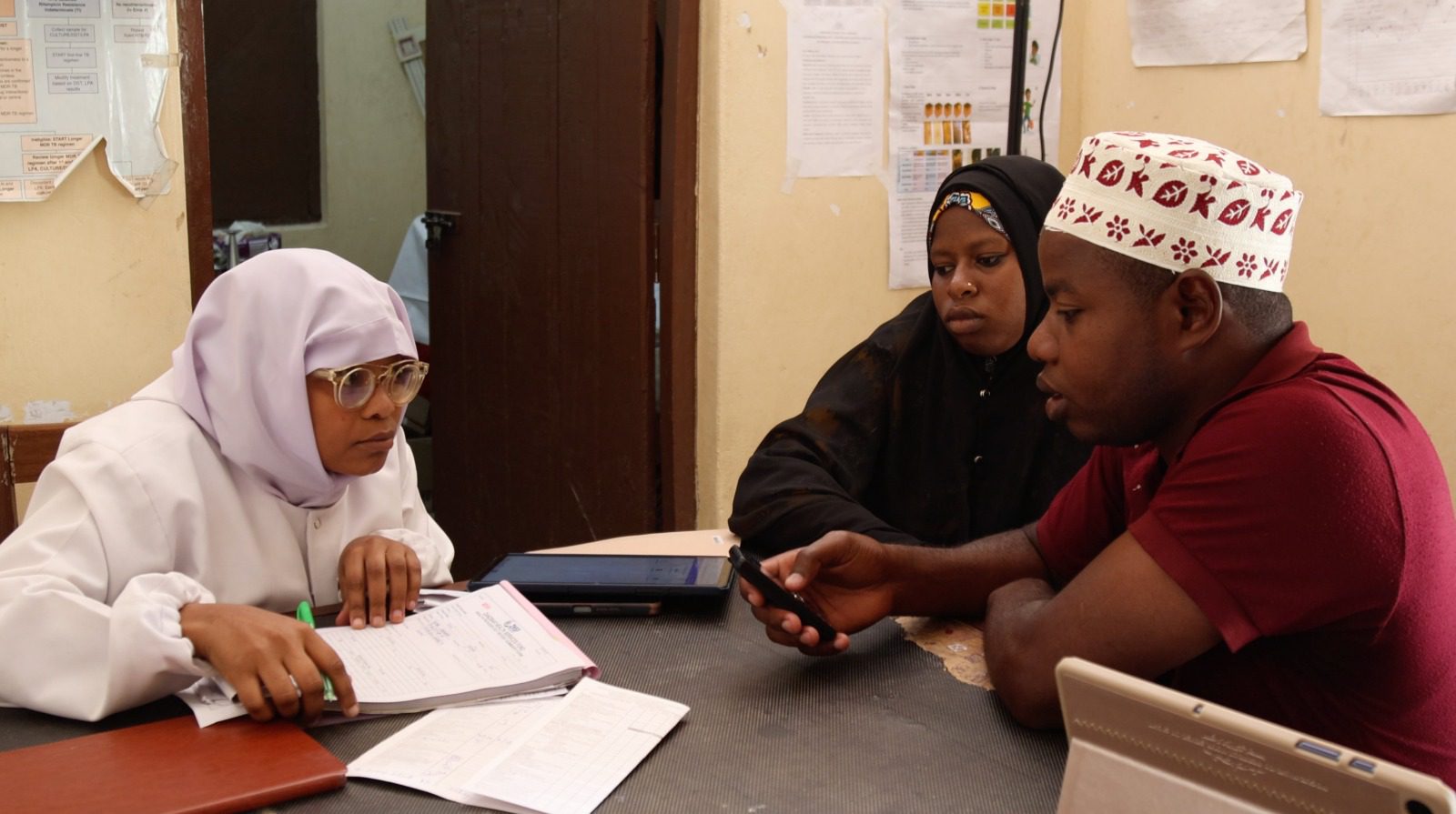
To bridge these gaps, the Zanzibar Ministry of Health—together with PharmAccess and the Zanzibar Health Services Fund (ZHSF)—introduced a demonstration initiative known as the ZHSF Mothers Project, adapted from the MomCare model. This approach uses digital platforms, smart subsidies, and public–private collaboration to improve pregnancy outcomes for low-income and high-risk women. Integrated with the government’s Health Equity Fund, the project co-finances maternal care insurance for the poorest women, ensuring equitable access to quality services.
The project adopts a digital demand-side financing model, shifting from funding facilities to directly empowering pregnant women. Beneficiaries receive a digital maternal care insurance package that guarantees access to timely, high-quality services while promoting accountability and efficient resource use. This model incentivizes quality improvement, enhances real-time monitoring, and promotes fairness in maternal health outcomes.
Seamless integration across national digital systems—including the Zanzibar Electronic Medical Records (ZanEMR), the ZHSF Claims Portal, and the Matibabu Information System—ensures transparency, real-time tracking, and efficient resource allocation. This strengthens proactive and patient-centered care through timely clinical interventions.
The project aims to improve maternal and neonatal outcomes by increasing early ANC attendance, strengthening skilled delivery rates, and boosting postnatal care. It targets raising early ANC bookings (within 12 weeks) from 16% to 40% and skilled deliveries to 95% by the end of the demonstration period.
So far, over 2,300 pregnant women have benefited across 25 health facilities in Kaskazini B (Unguja) and Micheweni (Pemba). Women can choose when and where to seek care without financial barriers, and their health information is available across all facilities.
The model also improves service quality by linking facility revenue to patient choice and service utilization, encouraging facilities to reinvest in better care.
Although still in early stages, MomCare illustrates how digital health financing, targeted subsidies, and value-based care can be integrated within government systems without creating parallel structures. The initiative aligns with the WHO Digital Health Strategy (2020–2025) and contributes directly to SDGs 3 and 5 by improving maternal health access in low-resource settings.
The path forward is clear: with collective effort and sustained commitment, Zanzibar can build a maternal health system that leaves no woman behind. MomCare offers a powerful blueprint—now it is up to all stakeholders to turn this blueprint into lasting reality.
Jonia Bwakea is the Program Manager for the Zanzibar Health Services Fund (ZHSF) Mothers Project.