




Its cities are becoming bigger and more complex, and the country today faces a housing deficit of nearly three million units, along with rising utility costs, and pressure from commercial expansion driven by strong GDP growth.
According to UN-Habitat, Tanzania’s urban population rose from 6.4% in 1967 to 34.9% in 2022-and is expected to include nearly half the country by 2040, making it one of the fastest-urbanizing countries in sub-Saharan Africa. As urban growth accelerates, sustainable construction presents an economic, environmental, and social opportunity for inclusive development.
IFC is supporting this transition through its Excellence in Design for Greater Efficiencies (EDGE), a green building certification system that makes sustainable construction measurable, accessible, and more affordable.
EDGE’s cloud-based modeling tools allow developers to test design options using local environment and market data, generating accurate forecasts of long-term resource and cost savings in power, water, and building materials.
In Tanzania, as in most African countries, construction expenditures, high energy tariffs, and maintenance burdens weigh heavily on both developers and homeowners, and this practical, data-driven approach offers a clear advantage.
There is growing support for greener building practices across the region, including training, technical assistance, and investment partnerships that help public institutions and private developers make more sustainable choices. In this context, EDGE is increasingly seen as a practical pathway to support innovation, strengthen investor confidence, and encourage more resilient growth.
More than 45,000 square meters of building space have been EDGE certified in Tanzania between 2024 and 2026, with a further 30,501 square meters certified at the higher EDGE Advance level. This brings total resource-efficient floor space in the country to over 75,000 square meters. Although still modest compared to Tanzania’s broader construction needs, this upward trend indicates growing awareness and commitment from local developers.
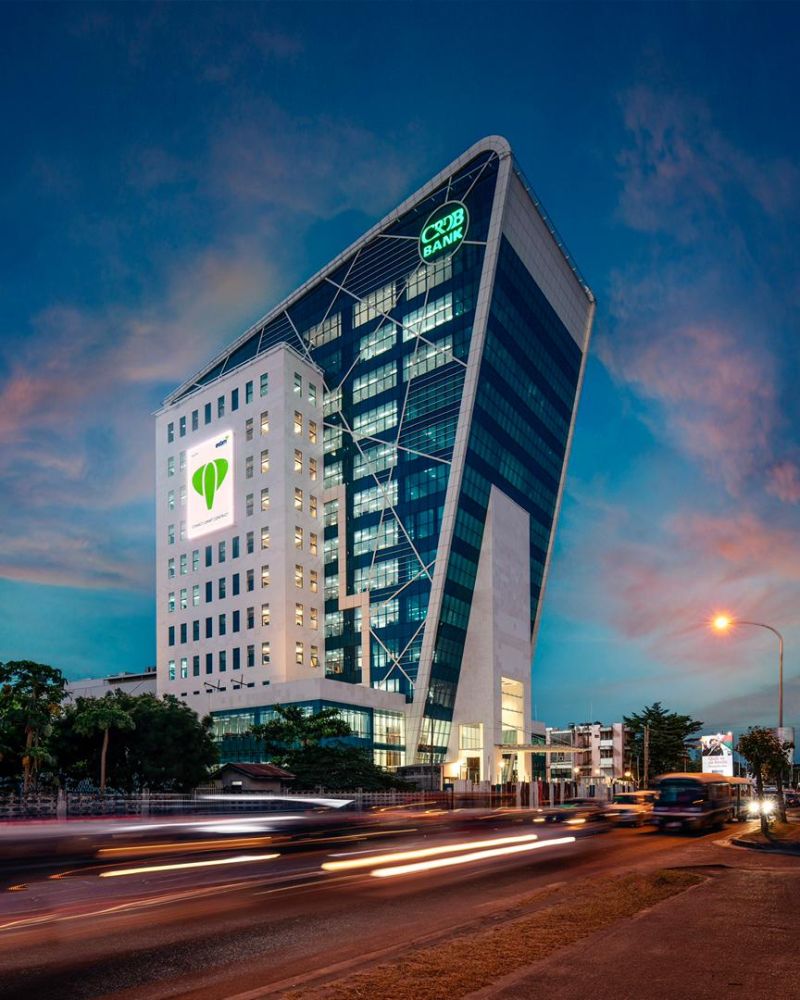
Several pioneering projects in Dar es Salaam illustrate how, with the support of EDGE, smart development is taking off in the built environment. The CRDB Bank Headquarters became the first EDGE-certified building in Tanzania, achieving 21% energy savings, 27% water savings, and 28% materials savings. As a major financial institution, CRDB has set an important precedent for commercial real estate, demonstrating that resource efficiency enhances performance and reputation.
The Aga Khan Nursery and Primary School was the first school in Tanzania to receive EDGE Advanced certification. Its refurbished nursery achieved 100% energy savings (which means it operates on 100% renewable energy), 31% water savings, and 41% materials savings.
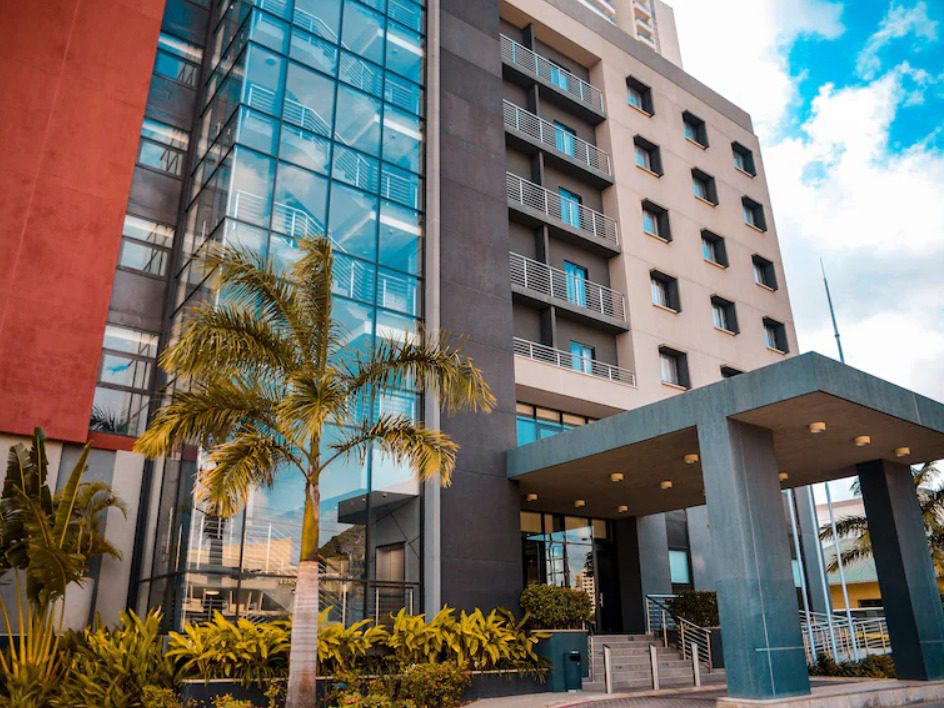
The Crowne Plaza Hotel in Dar es Salaam, listed by Bureau Veritas as an EDGE project, projects savings of 25% in energy, 24% in water, and 59% in materials. The hotel demonstrates how green buildings can improve competitiveness, attract environmentally conscious travelers, and reduce operational expenses.
EDGE certification also brings broader strategic benefits. First, green construction supports Tanzania’s climate commitments. The country has pledged to reduce greenhouse-gas emissions by 10% to 20% by 2030, and buildings represent one of the most cost-effective pathways for achieving this.
Second, EDGE lowers barriers to green finance. Banks worldwide are using EDGE certification as a benchmark for green mortgages and construction loans. In Tanzania, institutions such as CRDB and TMRC are exploring sustainability-linked lending, and wider adoption of EDGE could help unlock new channels of climate finance that reward efficient design and construction.
Third, it provides global credibility. Investors seeking climate-aligned opportunities value the transparency and performance assurance that certification offers.
Momentum for green buildings is growing across the continent. In April 2025, Africa surpassed 10 million square meters of EDGE-certified floor space, reflecting a rising understanding of the economic and environmental value of green construction. In Tanzania, major market players such as Knight Frank, TMRC, and CRDB increasingly recognize the benefits of resource-efficient development. The Tanzania Green Building Market Intelligence report shows that commercial construction, including offices, hotels, and mixed-use developments, is especially well positioned to lead the transition.
Tanzania’s Green Building Council continues to promote awareness and build professional capacity. Still, scaling EDGE nationwide will require coordinated action. Key priorities include expanding local training and certification capacity, improving climate-data granularity for more accurate building modeling, securing multi-year funding for capacity building, and aligning EDGE with national ESG and housing policies.
By accelerating the adoption of EDGE, Tanzania has an opportunity to reduce energy and water use, strengthen climate resilience, and widen access to green finance. Choices made today will help shape the long-term livability and competitiveness of Tanzanian cities. While there is positive momentum, continued progress will depend on practical leadership, collaboration, and sustained action across the public and private sectors.