


We talk a lot about diversifying Tanzania’s economy. Tourism, agriculture, mining – these are the usual suspects. But there’s a sector that rarely gets the spotlight it deserves: the creative economy.
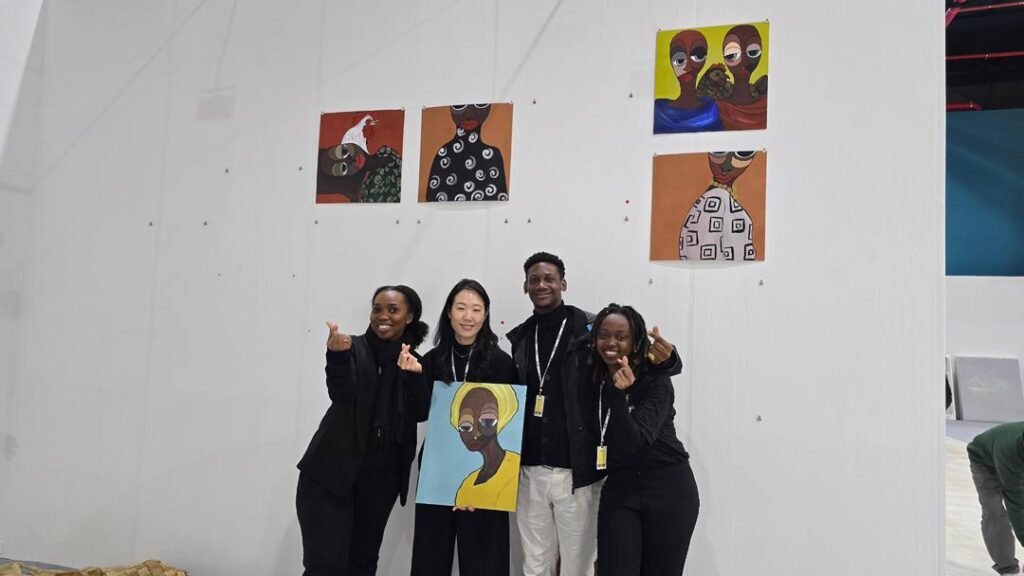
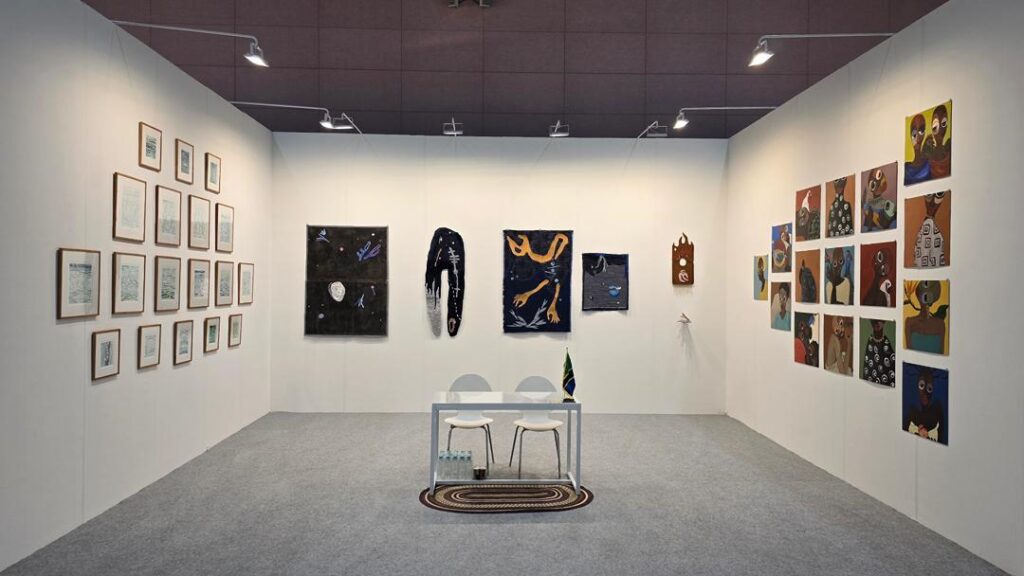
In April, Rangi Gallery quietly rewrote the script. The Dar es Salaam-based gallery became the first from Tanzania to participate in Art OnO 2026, an international art fair in Seoul, South Korea, that attracts institutions from a dozen countries. Four Tanzanian artists were exhibited alongside galleries from Japan, Germany, and Switzerland.
Why should this matter to you, even if you’ve never set foot in an art gallery?
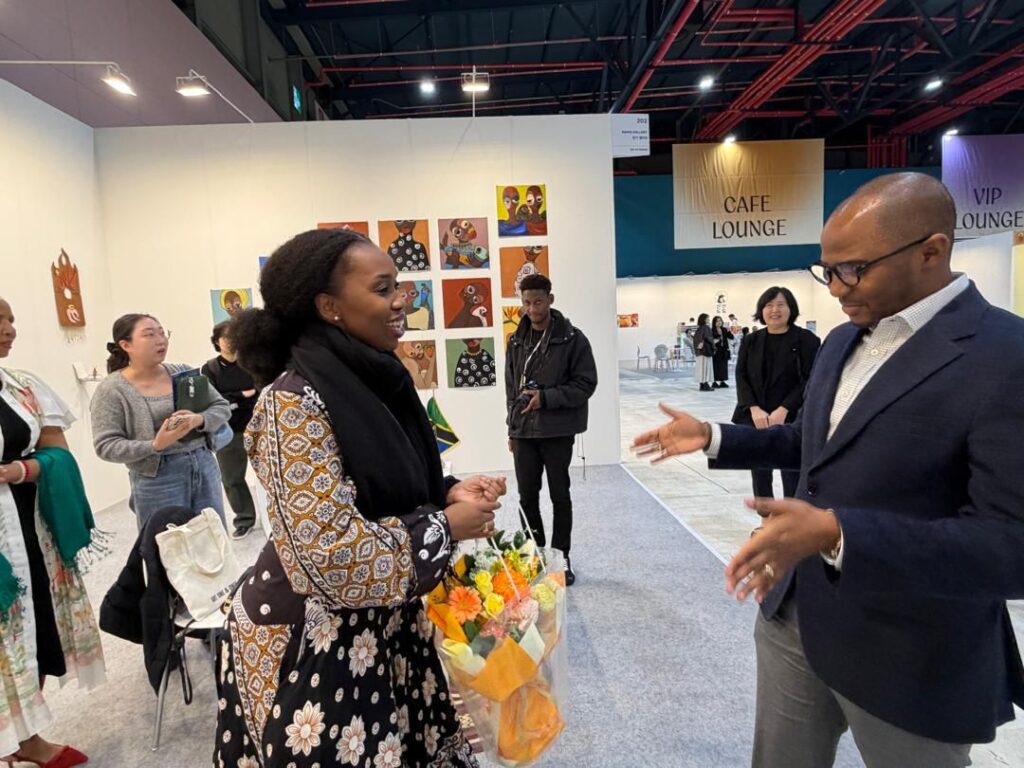
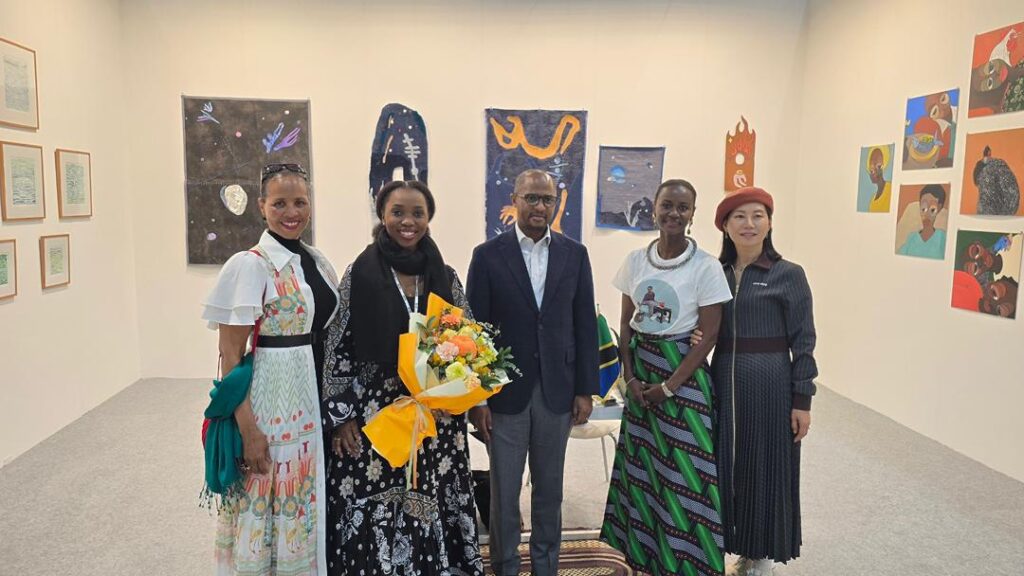
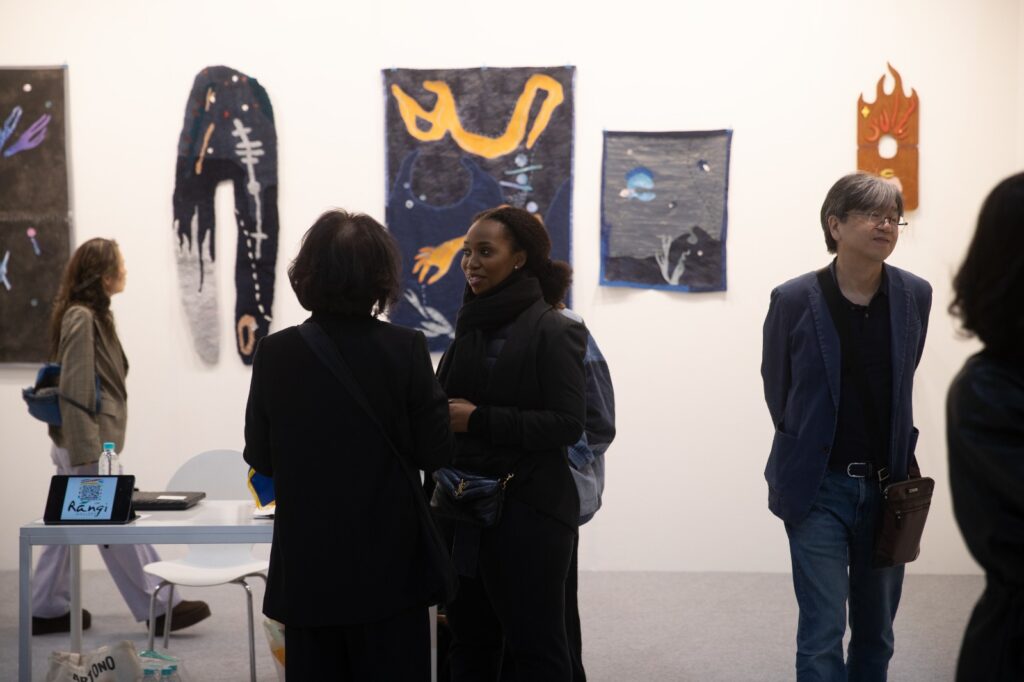
Because art is an export. Art creates jobs – for framers, transporters, photographers, event organisers, marketers, writers. Art brings in foreign exchange. Art puts cities on the map. Lagos is a cultural capital partly because of its art scene. Nairobi too. When international collectors and curators start paying attention to Tanzanian art, the ripple effect touches everyone.
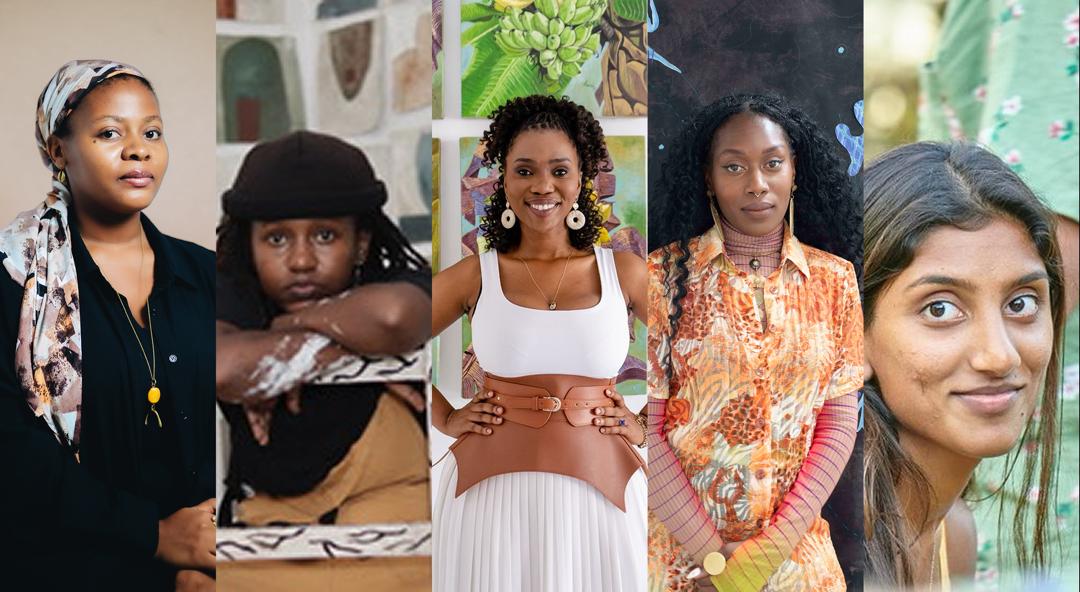
Lorna Mashiba Albou, the founder of Rangi Gallery, understands this better than most. She was a corporate lawyer specialising in foreign direct investment before she turned to art. She didn’t switch industries – she applied the same thinking to a different sector. She saw what every serious investor sees: talent without infrastructure is potential going to waste.
Two of the artists who showed in Seoul, Valerie Asiimwe Amani and Turakella Editha Gyindo – will represent Tanzania at the 2026 Venice Biennale, curated by Mashiba Albou herself. That’s Dar es Salaam to Seoul to Venice in one breath. That’s not just art. That’s economic diplomacy.