


📌Learners and teachers in Tanzania report more discussion, practical work and links to future livelihoods under the new curriculum, says a major report that studied the country in depth.
ACCRA, Ghana – Tanzania’s new competency-based curriculum is helping learners connect what they study to their future livelihoods, according to a major new report on secondary education in Africa that studied the country in depth.
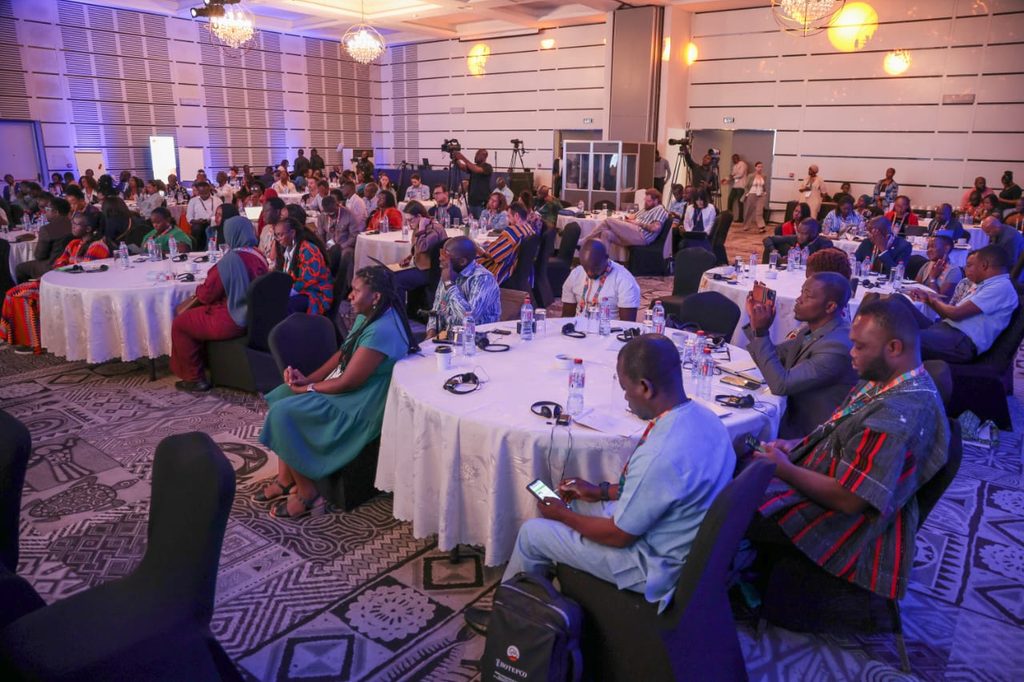
The Mastercard Foundation report, Secondary Education in Africa: Expanding Pathways to Work, Livelihoods, and Lifelong Learning, was launched in Accra, Ghana, on Tuesday before ministers of education, continental bodies, researchers, teachers and young people.
Tanzania is one of seven countries examined through detailed case studies and consultations with young people. Its experience features as a lesson for the continent.
Since the revised curriculum was rolled out in 2023, the report says, Tanzania has introduced learner-centred teaching, project-based learning, entrepreneurship education, Business Studies and new forms of assessment. “Encouragingly, students and teachers in some schools report a shift away from memorization toward discussion, critical thinking, and practical learning,” it states.
Business Studies, now compulsory in lower and advanced secondary, was frequently cited by learners as helping them connect school to entrepreneurship. A Business Studies teacher in Morogoro told researchers that practical approaches helped students picture concepts and take a more active part in class.
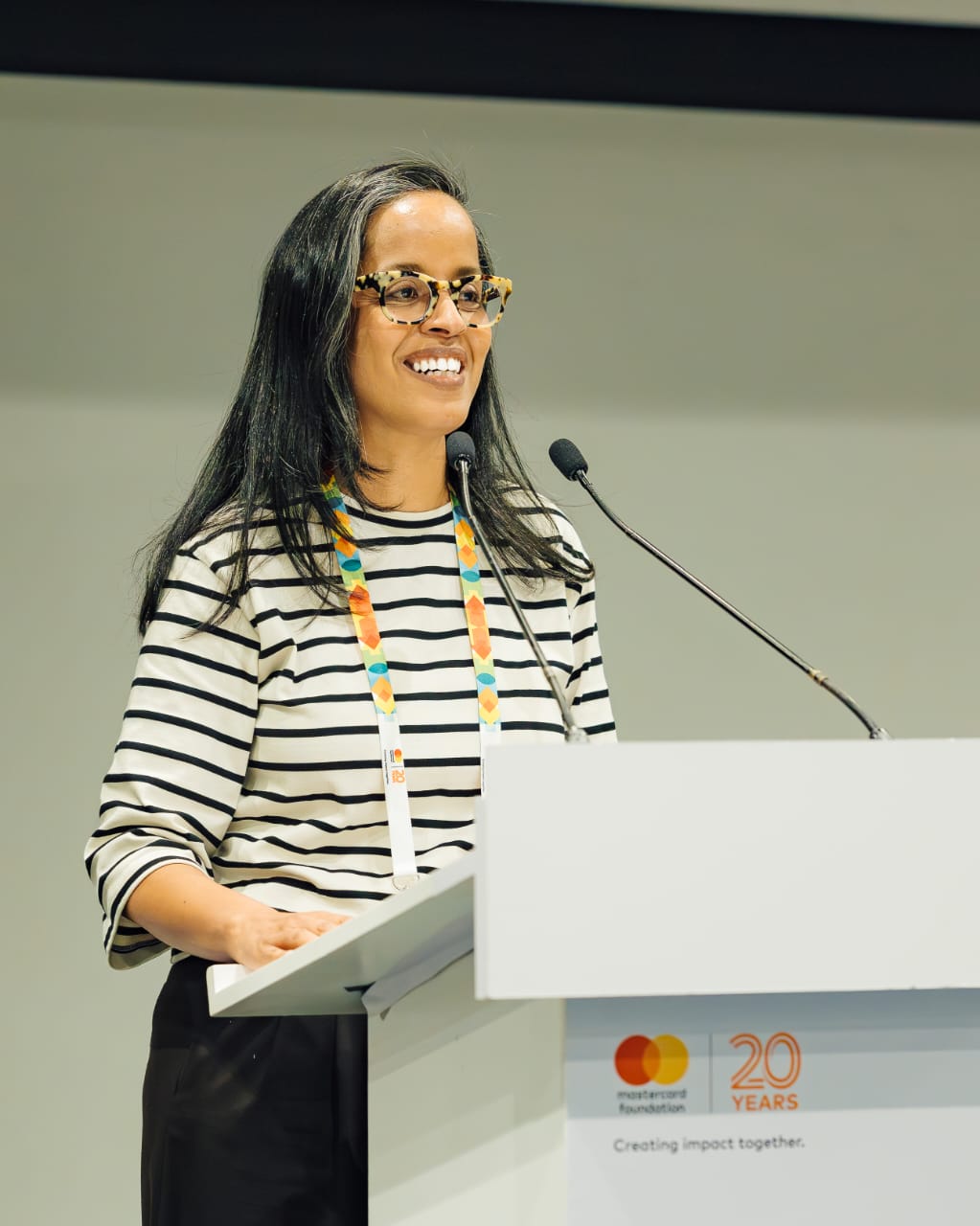
“Education for today’s young people, especially at the secondary level, must lead somewhere. For most young Africans, secondary school is the last time a system reaches them at scale,” said Sewit Ahderom, President and CEO of the Mastercard Foundation.
“It’s where we can make the biggest difference to whether they find dignified and fulfilling work,” he added.
What made the difference
The report finds the strongest progress where three things came together: structured teacher support, school-based communities where teachers learn from one another, and at least basic infrastructure for applied learning. It credits the MEWAKA continuous teacher development programme, the Secondary Education Quality Improvement Project (SEQUIP) and national teacher orientation for helping close the gap between policy and practice.
The National Examinations Council of Tanzania has also begun assessing vocational subjects through both theory and practical tasks, with practical assessments run in schools by trained assessors.
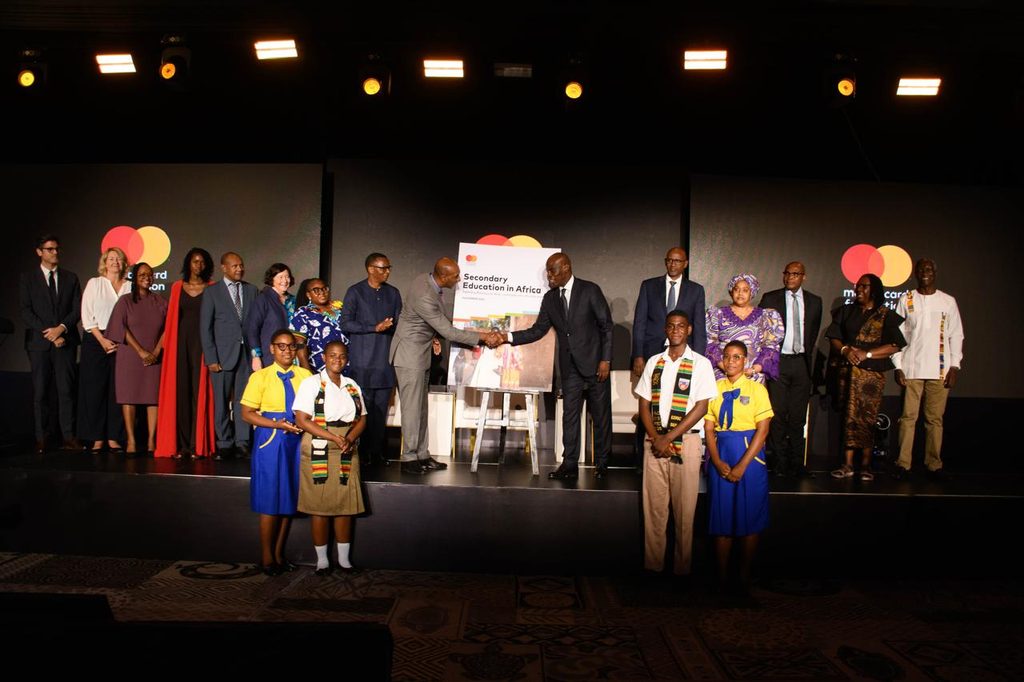
The report was launched Tuesday in Accra, Ghana.
Tanzania has gone further with a vocational stream in secondary schools. Learners in the stream finish Form Four with both their secondary certificate and a skills certificate from the National Council for Technical and Vocational Education and Training. Fee-free education was extended to Form Five and Form Six in the 2022/23 school year.
“Secondary education can no longer be organized around one assumed destination or a single, predictable transition from school to work,” said Daniel Hailu, Interim Chief Program Officer at the Mastercard Foundation.
The work still ahead
The report is frank about the distance left to travel. In the 2023 Certificate of Secondary Education Examination, pass rates were about 25 percent in mathematics, 69 percent in English and 97 percent in Kiswahili. Only about a quarter of learners progress to upper secondary, and technical and vocational streams make up about 0.5 percent of secondary enrolment.
Two-thirds of employed young Tanzanians work in agriculture, while only 5 percent of youth employment is formal. Across municipalities, gaps between rich and poor in lower-secondary completion average nearly 50 percentage points.
“A new curriculum cannot succeed if examinations continue to reward memorization or teachers are expected to adopt unfamiliar practices without the preparation, time, materials, and support they need,” said Eunice Muthengi, Director, Evidence and Learning Insights at the Mastercard Foundation.
“Whether access translates into learning depends largely on one of our greatest assets – teachers. The report makes clear that building a skilled, motivated, and empowered workforce is essential for transformation,” said Ghana’s Minister of Education, Hon. Haruna Iddrisu, who hosted the launch.
Ghana offers evidence that teacher support pays off. An independent evaluation of the Foundation’s Leaders in Teaching programme found that between 2022 and 2025, the share of observed teachers meeting Ghana’s National Teachers’ Standards rose from 3 percent to 46 percent, and the share showing gender-responsive and inclusive teaching rose from 11 percent to 48 percent. “That is real progress. It is also an honest reminder that the work is far from finished,” said Paul Kasanga, the Mastercard Foundation’s Interim Country Director for Ghana.
The report recommends starting with lower-cost, adaptable subjects such as entrepreneurship, agriculture and ICT before scaling more expensive technical streams, an approach it says Tanzania’s experience supports.
Africa’s picture
Across the continent, upper-secondary completion stands at 35.4 percent, and Sub-Saharan Africa needs an estimated 10.7 million more secondary teachers by 2030.
The report makes six recommendations, including realising the promise of competency-based curricula through matching reforms to teacher preparation, materials, assessment and school infrastructure.
“The Mastercard Foundation is committed to working alongside governments and partners to turn this evidence into action, so that young people leave school able to earn a living and build a future on their own terms,” Ahderom said.