


📌For maximum impact on a news website, “Four Tanzanian Artists Make History At Venice Biennale” is concise, clear, and engaging.
Tanzania Returns to the World’s Most Prestigious Art Stage and Commands Attention
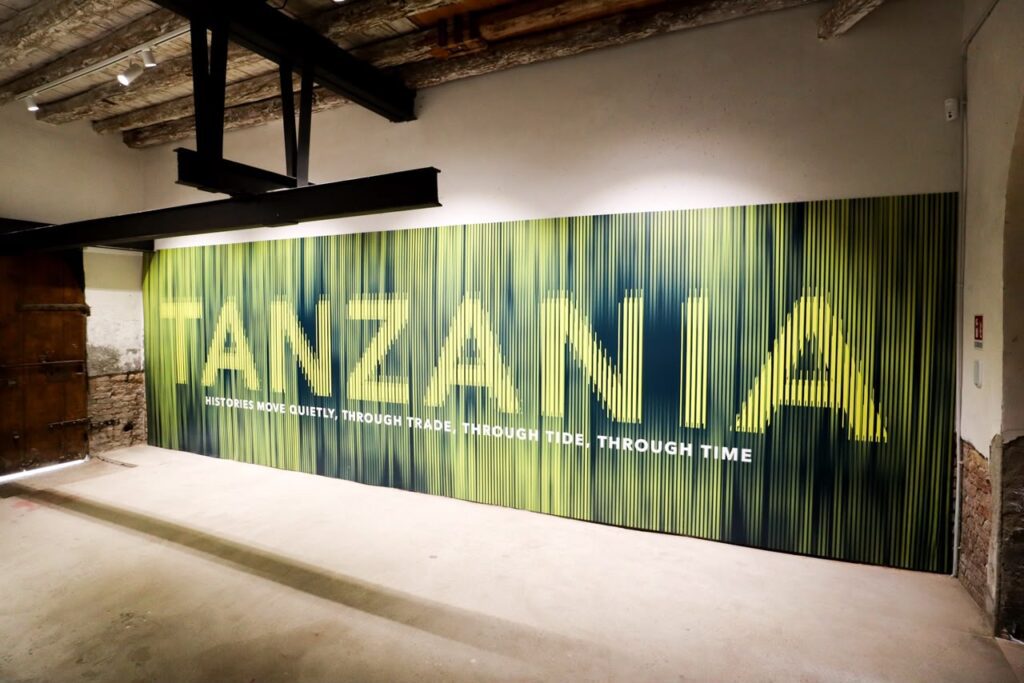
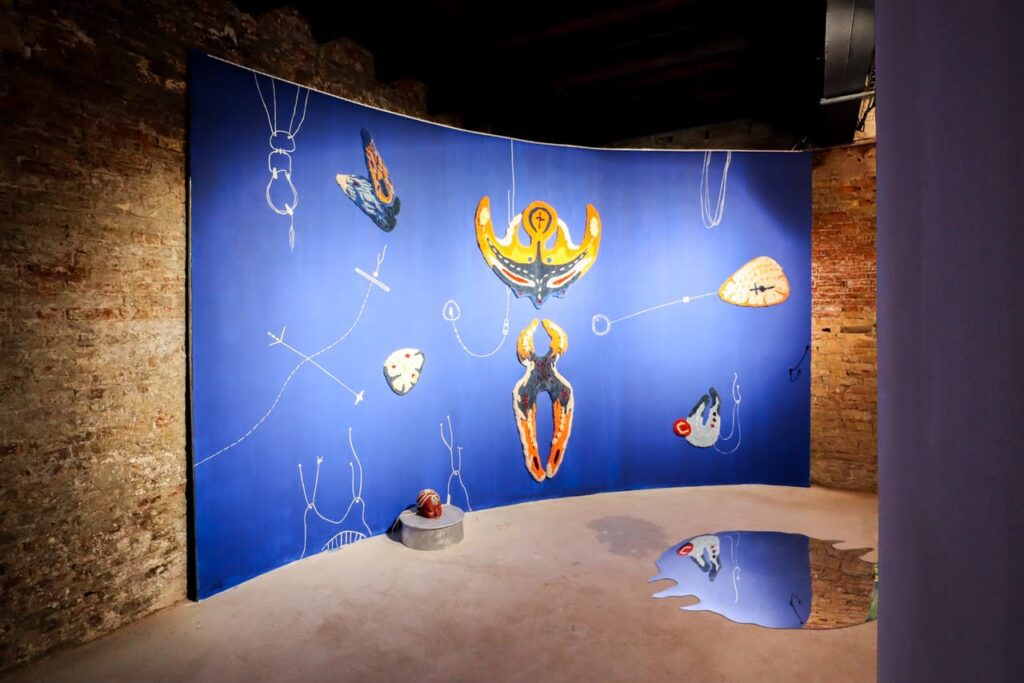
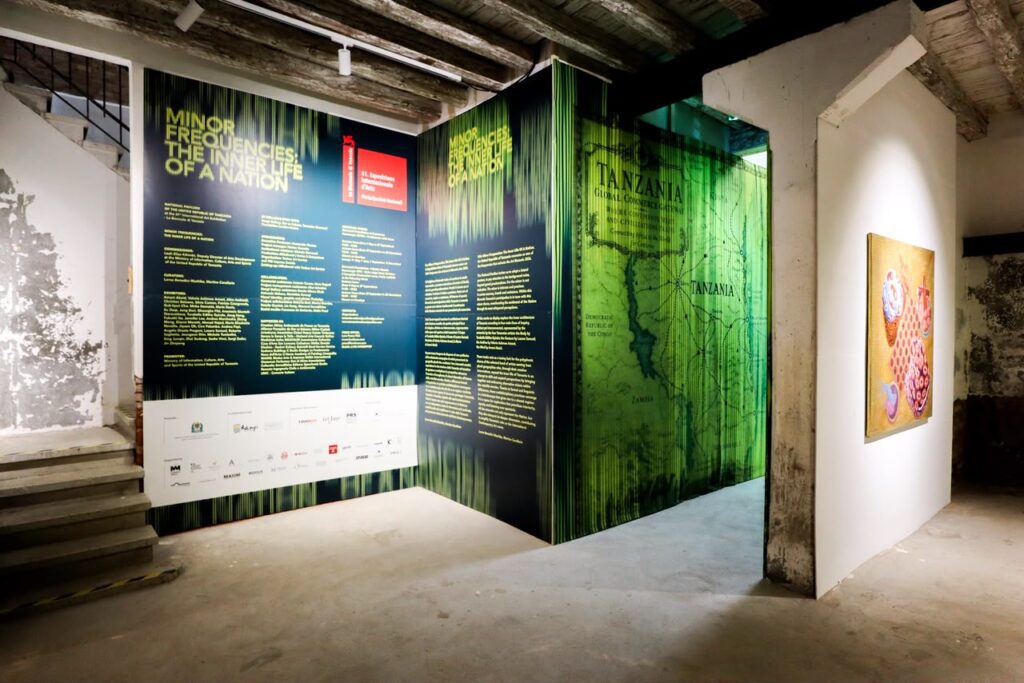
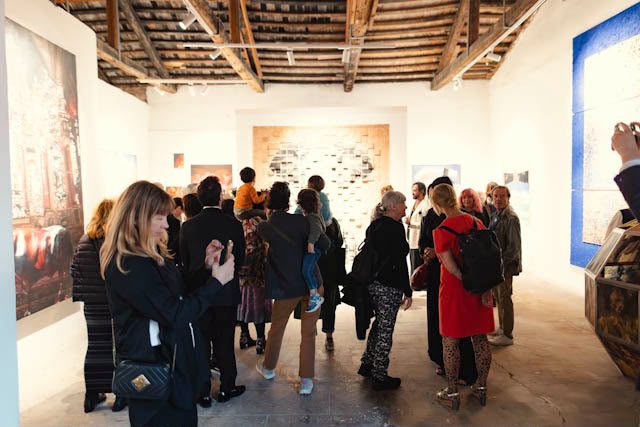
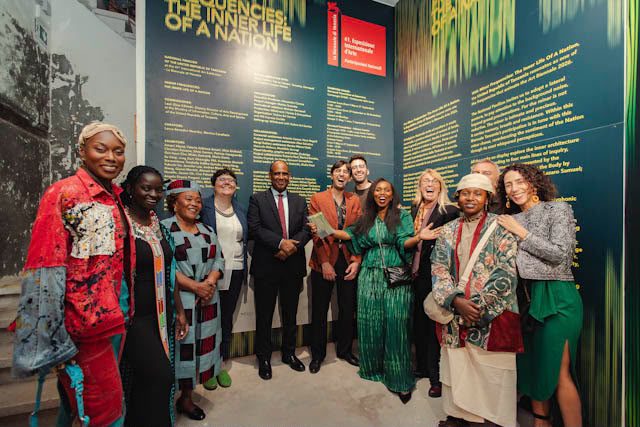
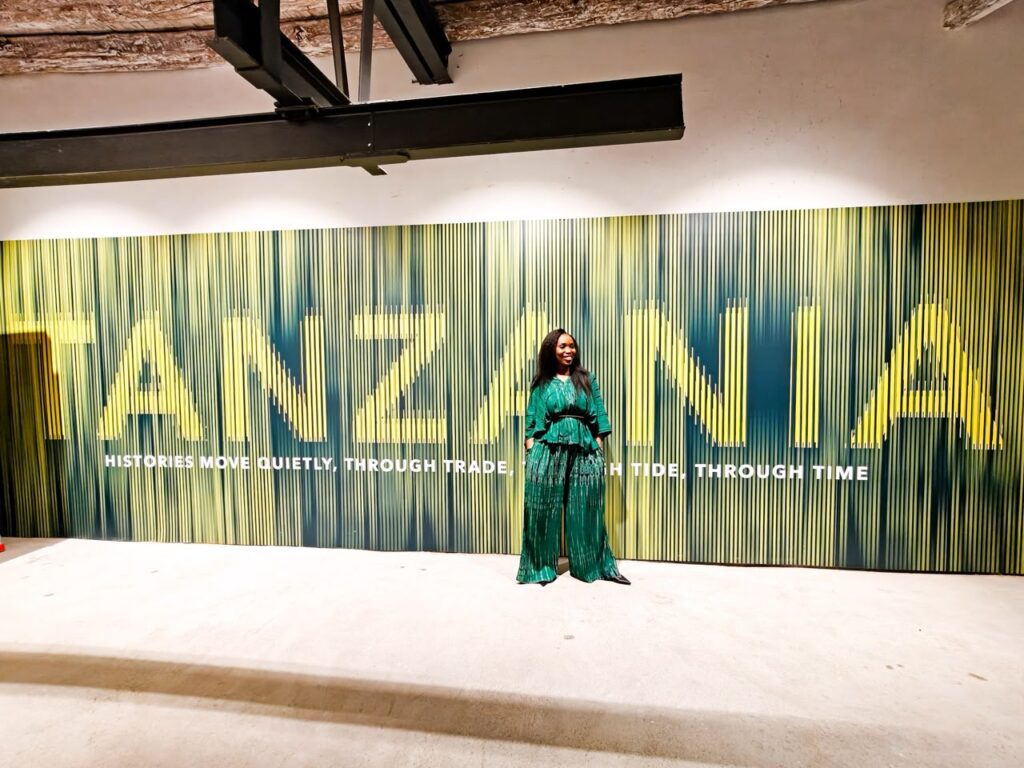
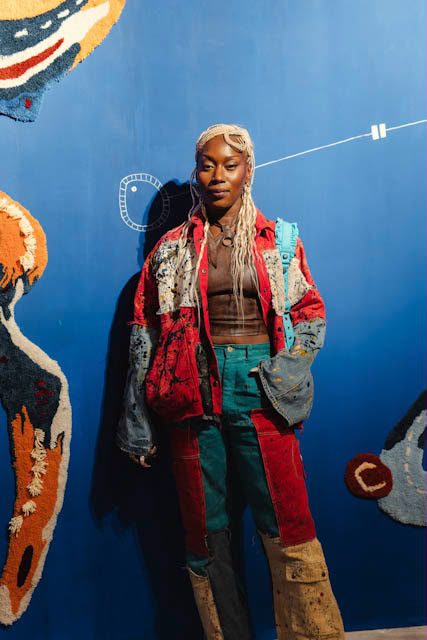
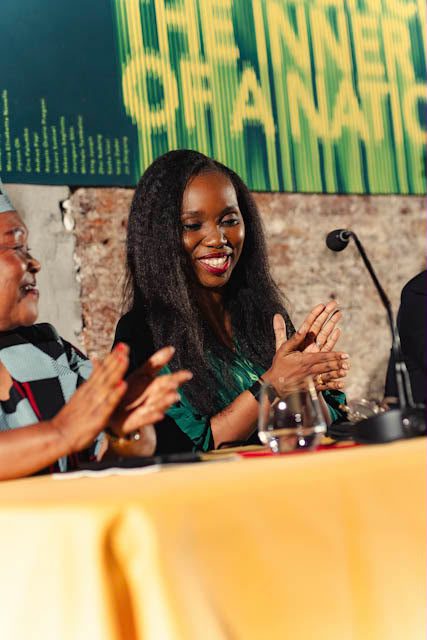
Four Tanzanian artists – Turakella Editha Gyindo, Amani Abeid, Lazaro Samuel, and Valerie Asiimwe Amani – have taken the world stage at the 61st International Art Exhibition of La Biennale di Venezia, one of the most respected cultural events on the planet. Representing the United Republic of Tanzania in the national pavilion exhibition Minor Frequencies: The Inner Life of a Nation, promoted by the Ministry of Information, Culture, Arts and Sports of Tanzania and realised in collaboration with Rangi Gallery and the Gervasuti Foundation, these four artists did not arrive as newcomers finding their footing. They arrived as a declaration.
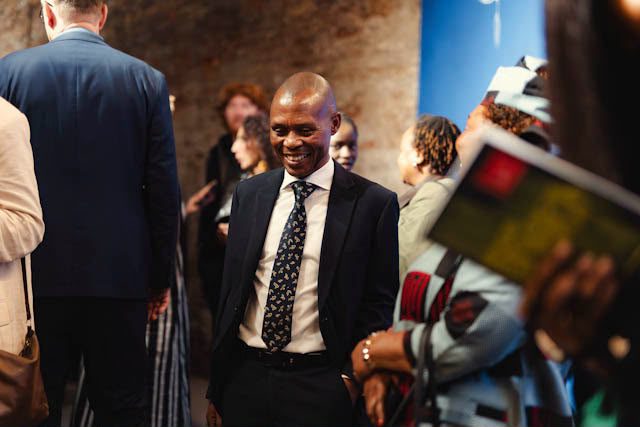
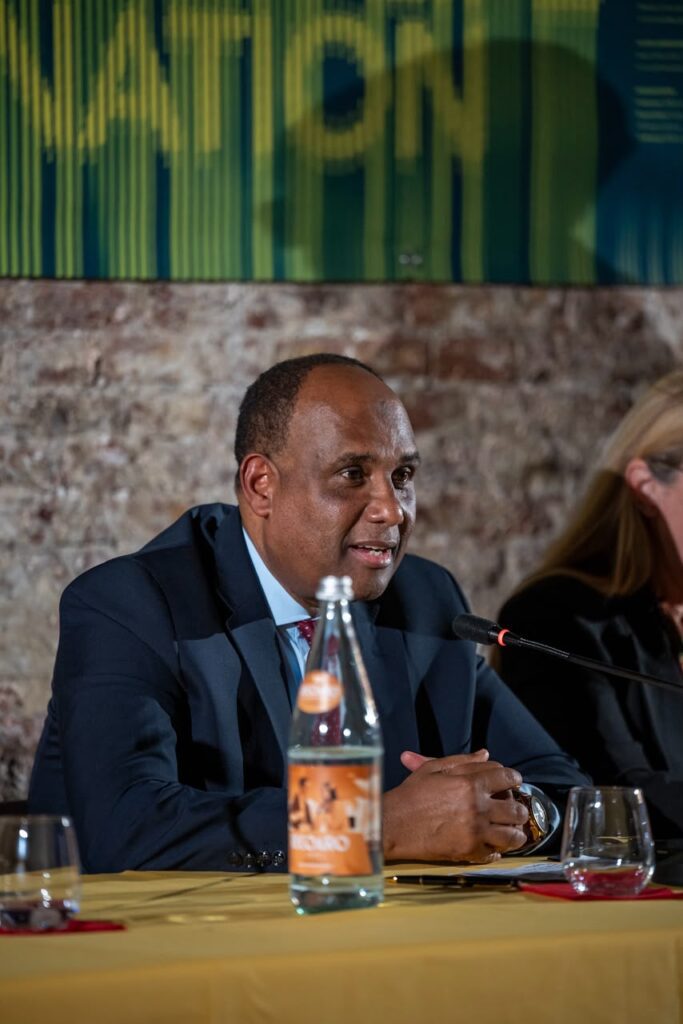
The opening was graced by Ambassador Mbarouk Nassor, Tanzania’s Ambassador to the United Republic of Tanzania to Italy, marking a moment of official national pride in what is only Tanzania’s second participation at the Venice Biennale. Commissioner Leah Elias Kihimbi, Deputy Director of Arts Development at the Ministry, led the national delegation alongside co-curators Lorna Benedict Mashiba and Italian curator Martina Cavallarin, whose partnership gave the pavilion both its curatorial rigour and its deep rootedness in the Tanzanian context.
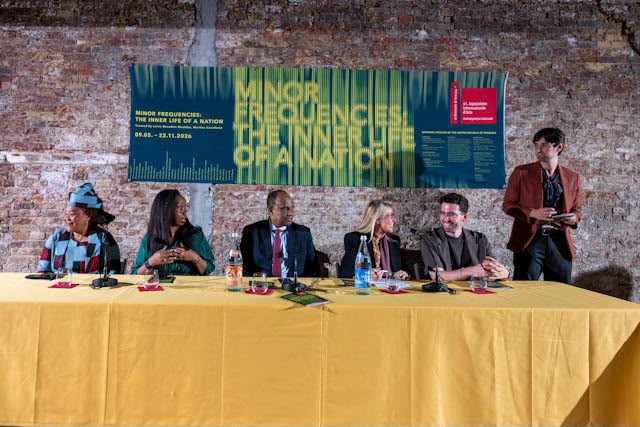
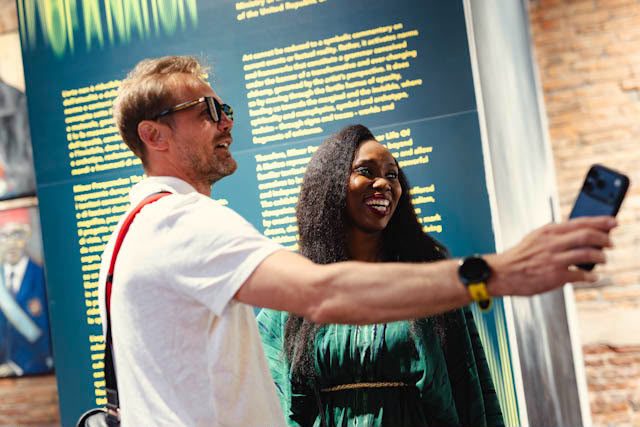
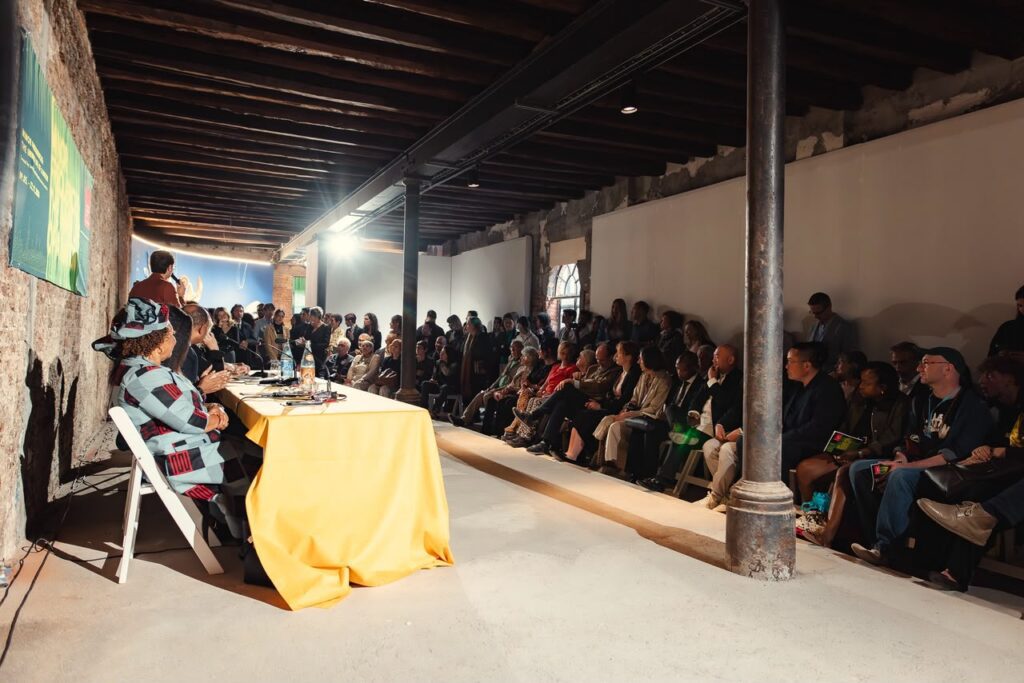
The exhibition was built around a conviction stated plainly in its curatorial framework: the minor is not reductive. As Mashiba and Cavallarin wrote, “the minor is intimate and precious. It carries memory, breath and resistance.” The pavilion structured its inquiry around four lines of thought, distinct yet interconnected, each embodied by one of the four Tanzanian artists: the Body, the Gesture, the Archive, and the Mind.
Turakella Editha Gyindo brought The Body to the pavilion through her installation Testimonials from the Body, through an installation centred on loofah, hand-cut and cultivated by women from Morogoro treated with soil-based pigments to unfold in layered earth tones evoking skin, terrain, and sedimented history. Rooted in decolonial thinking, the work approaches cleansing as a ritual of memory and resistance, asking what is carried forward, what is erased, and whose knowledge endures.
Valerie Asiimwe Amani brought The Archive to life through a participatory installation that collects lost, misplaced, and stolen dreams. Visitors are invited to deposit an aspiration they once held — something abandoned or deemed impossible. These offerings accumulate as a collective record of unrealised futures, while a responsive sound element by Jason Langahm returns them as a shifting chorus. The work is grounded in a personal memory: the artist recalls asking her father what he once wanted to become, only to find that dreaming felt distant, overshadowed by survival. From that intimate point, the installation expands to address displacement and the uneven conditions under which the ability to dream is formed.
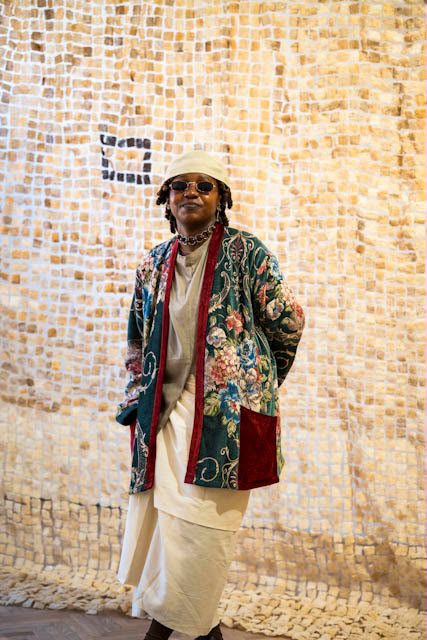
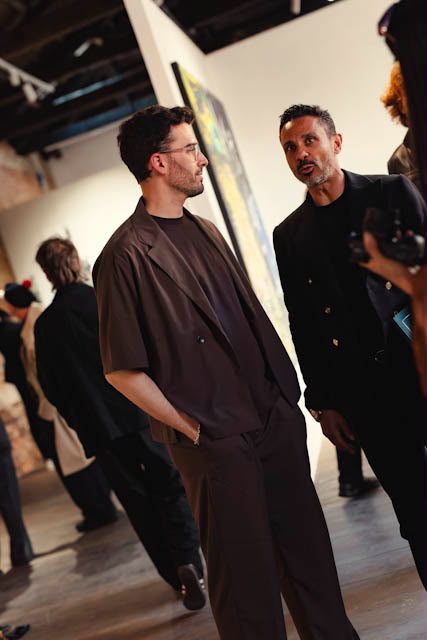
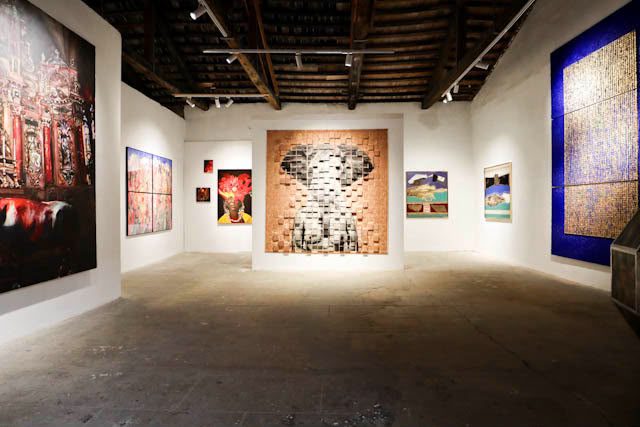
Lazaro Samuel introduced The Gesture through canvases pulsing with splashes, drips, and abrasions of pigment guided by rhythm and instinct. Rooted in a life shaped by precarity – including time spent on the streets of Dar es Salaam, his practice emerges as necessity rather than formal pursuit. Each mark carries the weight of movement and endurance. Where language hesitates, pigment moves; where speech fails, surface absorbs.
Amani Abeid gave form to The Mind through paintings drawing on Maasai cultural references, placing bodies within environments shaped by global influence and exchange. The recurring presence of high-heeled forms — symbols of Western desire — intersects with traditional markers, exposing the tension between inheritance and adaptation. Set against checkerboard spaces, his compositions invite reflection on how identity is continually reshaped between memory, influence, and survival.
The pavilion was promoted by the Ministry of Information, Culture, Arts and Sports of Tanzania and realised in collaboration with Rangi Gallery and the Gervasuti Foundation. Rangi Gallery, a Tanzanian institution that has rapidly positioned itself as a significant force in advancing African contemporary art internationally, played a central role in bringing this vision to life. Its involvement follows a successful showcase in South Korea and signals a clear trajectory: Tanzanian art is gaining international recognition at an accelerating pace, and Rangi Gallery is at the centre of that momentum. Tanzania’s presence at the 61st Biennale is part of a wider story, the country’s contemporary art scene is demonstrating that Tanzanian creative identity is complex, urgent, and deeply compelling. The exhibition runs at the Gervasuti Foundation at Supernova, Venice, from 9 May through 22 November 2026.