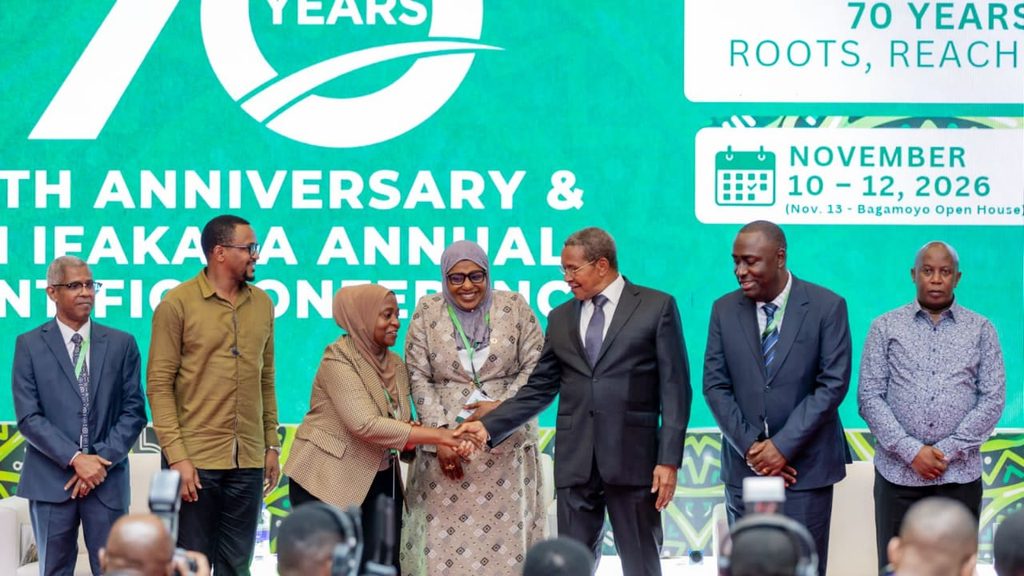



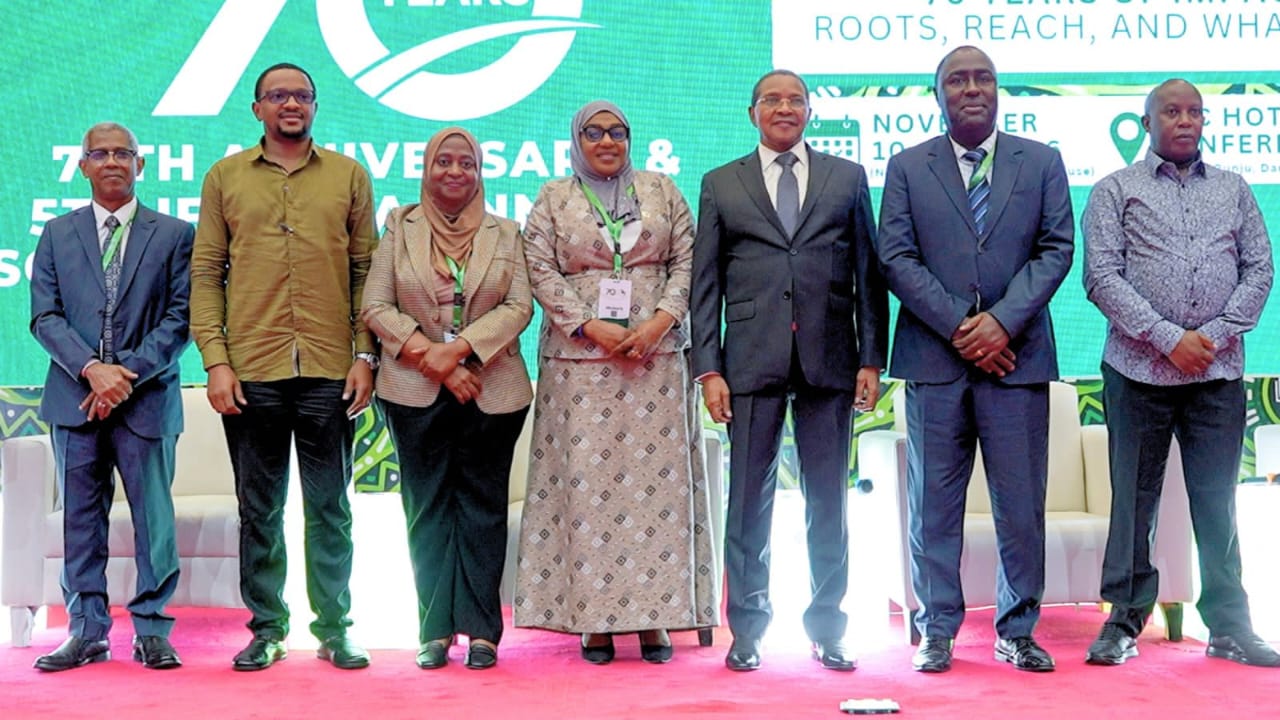
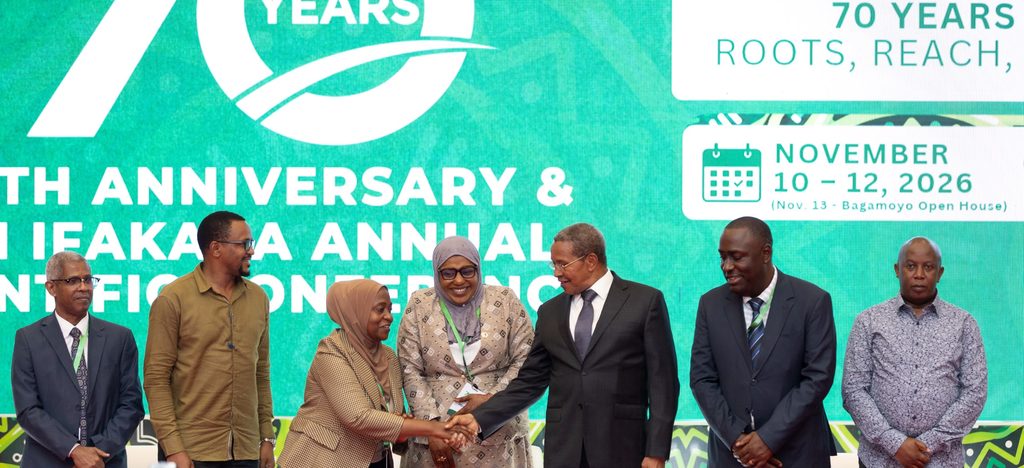
It was a week of celebration and deliberations as Ifakara Health Institute marked 70 years of research, training and service in the country. From humble beginnings in the heart of the Kilombero Valley in Morogoro, Ifakara Health Institute (IHI) has evolved from a research site to a centre of excellence over the last seven decades with breakthroughs in malaria interventions, clinical trials and public health policy translation.
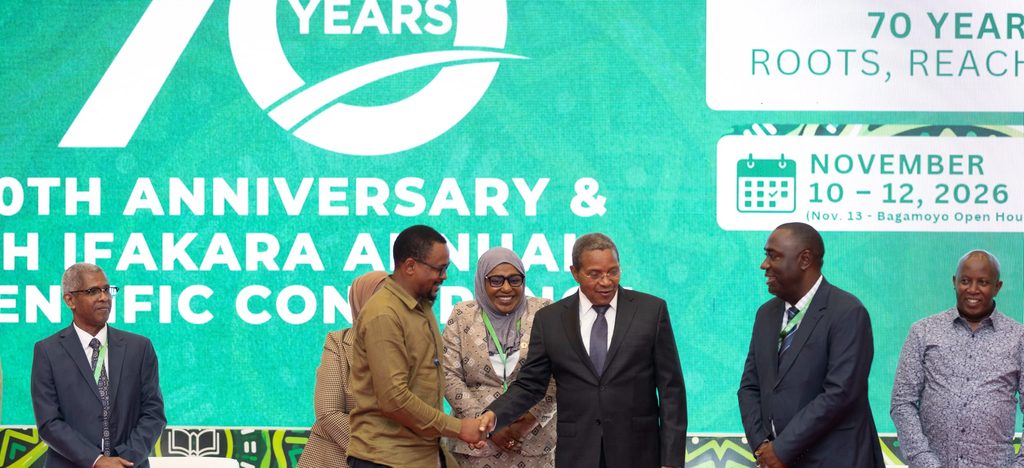
Speaking at the official opening of the climax of the celebrations recently, former President Jakaya Kikwete, who is a global council member of the End Malaria Council said that IHI plays a huge role in improving the health of Tanzanians and that the knowledge, expertise and solutions to health challenges acquired at the institute extends beyond Africa.
The former president added that the Institute is doing a great job in working on gene drive technology in a bid to help eradicate malaria by Tanzanian scientists and that citizens are not being informed of the terrific work going on.
In response IHI Chief Executive Director, Dr Ally Olotu promised to strengthen the capacity of scientists, sustain research platforms and deepen engagements with communities and policy makers.
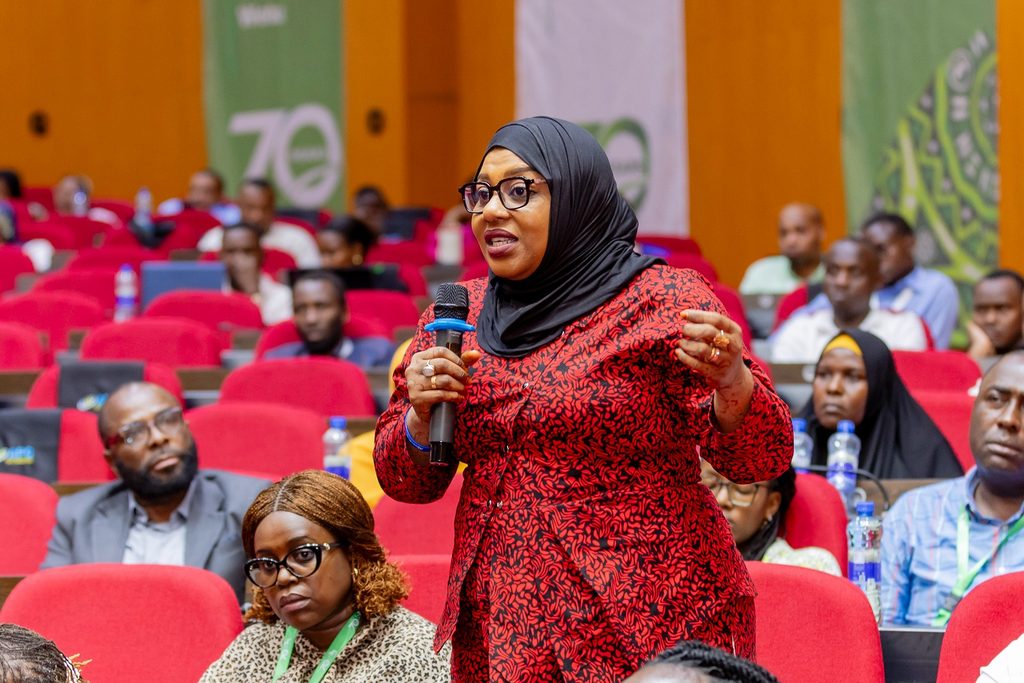
It was exciting seeing young scientists, and past directors of the Institute, share ideas, defend arguments and propose improvements. Topics covered included but not limited to were, ‘What have seven decades of African science meant for Global Health’, Responsible use of Artificial Intelligence (AI) Data and Biomedical Innovation for Africa’s Disease Burden’ and more.
At 70 years, IHI offers a wide range of specialised research clinical, capacity building, and public –facing services. Through data and document archiving IHI provides reliable long-term storage of paper study documents, field materials and research at its Bagamoyo, Kingani site. Vector Control and Product Testing is another strong arm of IHI from proving the effectiveness of mosquito nets to observing the resistance indoor spraying repellents the hands-on trials are common features at the Institute in a bid to produce evidence based solutions to health care challenges.
The long journey began all the way back in 1949 when Dr. Rudolf Geigy, a scientist from the Swiss Tropical Institute in Basel, sought a fieldwork location for tropical diseases, led an initial scientific expedition in Ifakara, the name, which loosely translated from the local dialect means a place to die; was notorious for its high burden of malaria and other tropical diseases. Seeing black and white photos of indegenous medical officers dressed in shorts and carrying out experiments in the open was rather eye-opening on how far technology has transformed the world.
Eight years later Geigy opened the Swiss Tropical Institute Field Laboratory in Ifakara. Following Tanzania’s independence focus was expanded to support local medical officer training and rural health infrastructure. More changes came with the nationalisation of public and research institutions which in turn led to a number of changes to the name. Fast forward to 2008 the Institute was rebranded as Ifakara Helath Institute, (IHI), establishing its headquarters in Dar es Salaam while maintaining field stations in Ifakara and Bagamoyo, IHI focuses on malaria, maternal and Child health, HIV/AIDS clinical trials and health systems policy.
The 70-year old success story is looking beyond maintaining the centre of excellence status and figuring out how to depend less on heavy foreign donor support in a bid to carry out research it feels benefits the needs of the local populace. Strategies include lobbying for finances from government and setting up funds.
.