



Fine speeches and colourful celebrations are not enough. If Women’s Day is to have meaning, it must leave behind tools, access, and real opportunities for women to build better lives.
Every year, International Women’s Day arrives with praise, public statements, and carefully crafted messages about resilience, equality, and inclusion. Women are celebrated for their strength, their sacrifice, and their role in holding families, workplaces, and communities together. Yet once the speeches are over and the day has passed, many women return to the same realities they faced before the celebration began. They go back to businesses struggling for capital, workplaces where opportunity is still uneven, and systems that are often more comfortable praising women than truly empowering them.
That is why Women’s Day must mean more than applause. Its value should not be measured by the beauty of speeches or the visibility of campaigns, but by what remains after the ceremony is over. The real question is whether women are better equipped, more supported, and more able to move forward in practical ways. If the answer is no, then the celebration, however well-intended, remains incomplete.
This is what makes the reflection shared by CFAO Mobility Tanzania during its Women’s Day observance especially relevant. Under the theme “Give to Gain”, the company raised a point that deserves wider public attention. Speaking in the story, Hollyness Mongi, Human Resource Manager, noted that one of the biggest obstacles facing many women entrepreneurs is not a lack of ambition or ideas, but a lack of capital. That observation goes to the heart of a challenge that continues to limit the progress of many women-led enterprises.
Too often, women’s empowerment is discussed in broad and inspiring language, as though it is mainly a concept or a message. In reality, empowerment is practical. It is access to finance, access to tools, access to training, and access to opportunities that have historically been denied or restricted. A woman may have the discipline to run a successful enterprise, the skill to produce quality work, and the determination to grow, but if she lacks the equipment or financial support needed to expand, then her effort remains constrained. In such cases, the problem is not her potential. It is the structure around her.
This is where public discussion about women’s advancement often falls short. Society frequently praises women for being resourceful under pressure, yet rarely asks why they must operate under such pressure in the first place. Women are celebrated for being resilient, but resilience should not become an excuse for failing to address structural barriers. Women do not only need recognition for enduring inequality; they need meaningful action that reduces inequality.
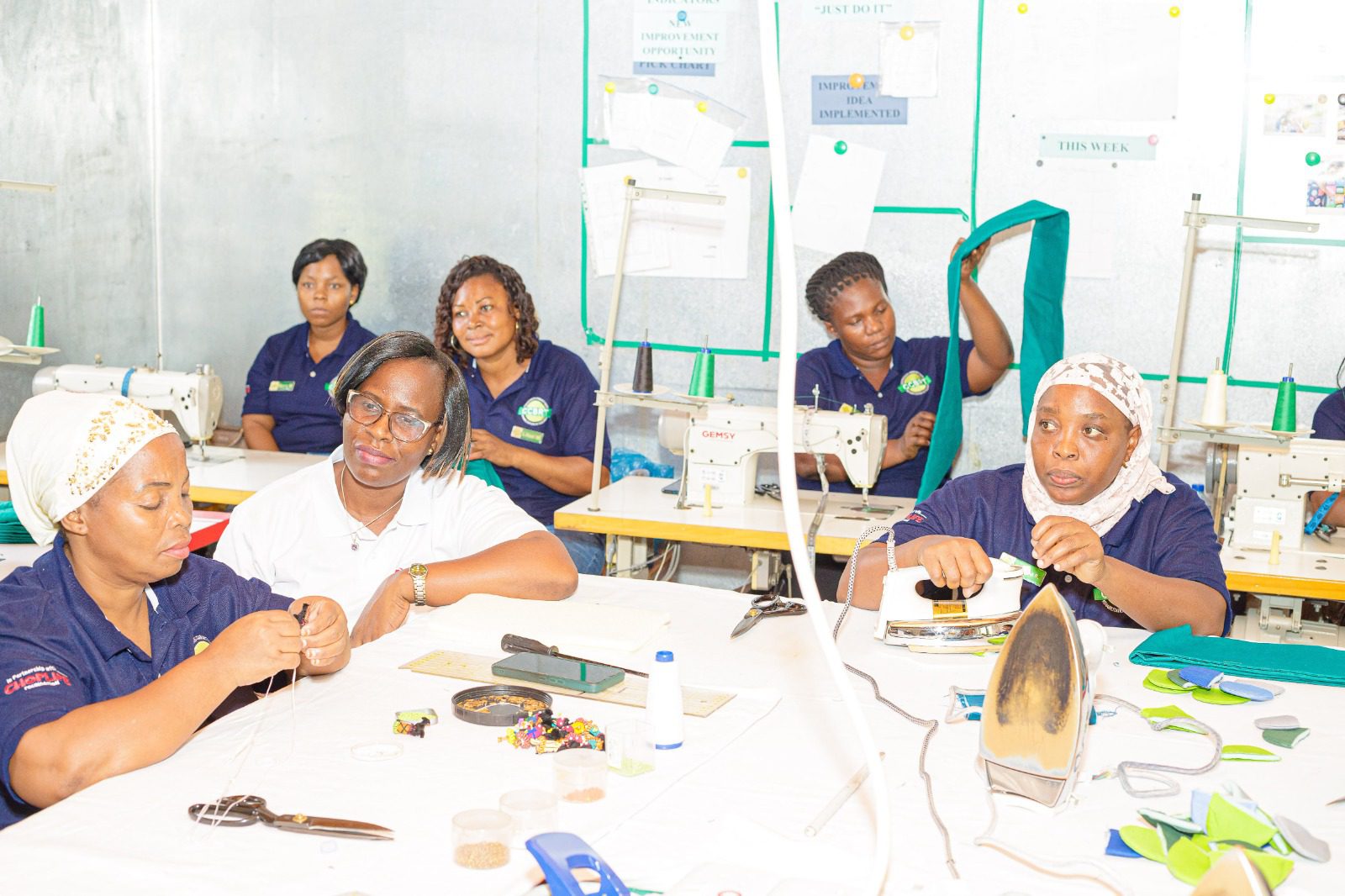
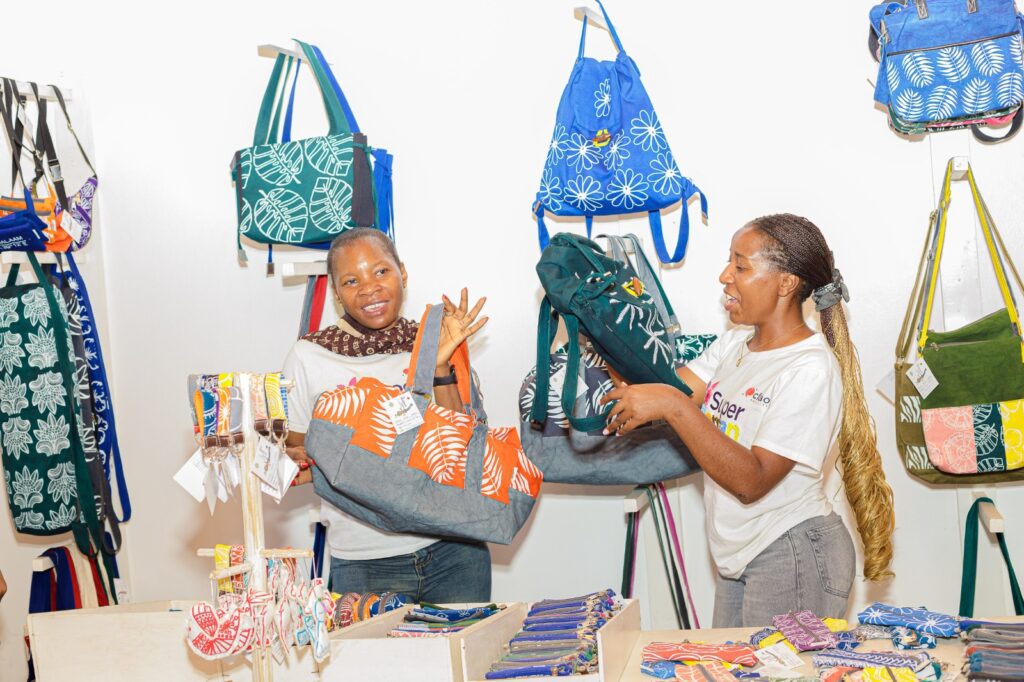
That is why practical support matters so deeply. In the CFAO Mobility Tanzania story, the Women’s Day message was linked to tangible interventions, including incubators for the Tanzania Widows Association and sewing machines for women artisans under CCBRT’s Mabinti Program. These are not symbolic gestures. They are the kinds of tools that can directly improve productivity, strengthen livelihoods, and give women more control over their economic futures.
A sewing machine, for example, may appear simple in description, but in the daily life of a woman trying to build a livelihood, it can mean more production, faster delivery, better income, and greater stability for her household. It can mean the difference between merely coping and actually progressing. The same is true of an incubator placed in the hands of a widow seeking a source of income and self-reliance. Such support may not always attract dramatic headlines, but it reflects the type of empowerment that is most meaningful because it changes daily life in visible and lasting ways.
Women’s Day should leave more of this behind. It should leave behind access, tools, and opportunities that make women’s advancement more practical than symbolic. If the day is to retain its significance, it must challenge institutions to ensure that women are not only praised in public but supported in concrete ways that strengthen their ability to earn, lead, and thrive.
The same reflection also points to another important area of change: the growing presence of women in technical and traditionally male-dominated fields. Hollyness Mongi observed that more women are now graduating in automotive and mechanical disciplines, applying for technical roles, and succeeding through merit-based recruitment. This is significant because it shows that women are not only asking for a place at the table but are increasingly proving their capability in spaces where they were once overlooked or discouraged.
For many years, sectors such as automotive, engineering, and workshop-based trades were seen as male spaces. Many girls were steered away from them long before they had the chance to discover their own strengths or interests. The result was not only unfair to women but also limiting to the economy as a whole. Whenever talent is filtered through outdated assumptions about gender, everyone loses. When women enter these professions today, they do more than take up jobs; they challenge long-standing social expectations and widen the horizon for the girls coming after them.
Still, progress should not be romanticised too quickly. A few examples of women succeeding in technical spaces do not automatically mean the barriers are gone. Inclusion requires intentional effort. It depends on university partnerships, practical exposure, fair recruitment systems, and workplace cultures that recognise competence rather than stereotype. The CFAO Mobility Tanzania story highlights these pathways, and rightly so, because meaningful change does not happen through sentiment alone. It happens through deliberate decisions that make women’s participation normal rather than exceptional.
This is the broader lesson that Women’s Day should leave with us. Empowerment cannot remain a slogan or an annual theme. It must become part of the structure of how institutions operate and how opportunities are distributed. It must be visible in who gets credit, who gets tools, who gets hired, who gets trained and who is encouraged to grow. The success of Women’s Day should therefore be judged not by the noise around it, but by the outcomes it produces in the lives of real women.
When women gain genuine opportunities, the impact extends far beyond the individual. Families become more stable, communities become stronger and industries gain from a wider pool of talent and innovation. A woman with productive tools can support a household more effectively. A woman in a technical field can inspire younger girls to imagine new futures for themselves. A woman who moves from survival to stability through practical support not only changes her own life; she contributes to social and economic progress in ways that benefit many others.
That is why Women’s Day must ask more of all of us, including employers, policymakers, schools, civil society, and the private sector. It must push us beyond admiration and toward action. Women have heard enough about how strong they are. What they need now is greater access, deliberate investment, and real opportunities to turn that strength into lasting progress. Until then, applause alone will never be enough.