



By Correspondent James Kandoya
TANZANIA must invest in young health workers, technology and preventive care to meet the needs of its growing population, experts have warned
They made the call at the Third Human Resources for Health Conference in Dar es Salaam, where leaders urged long-term plans to build a skilled health workforce.
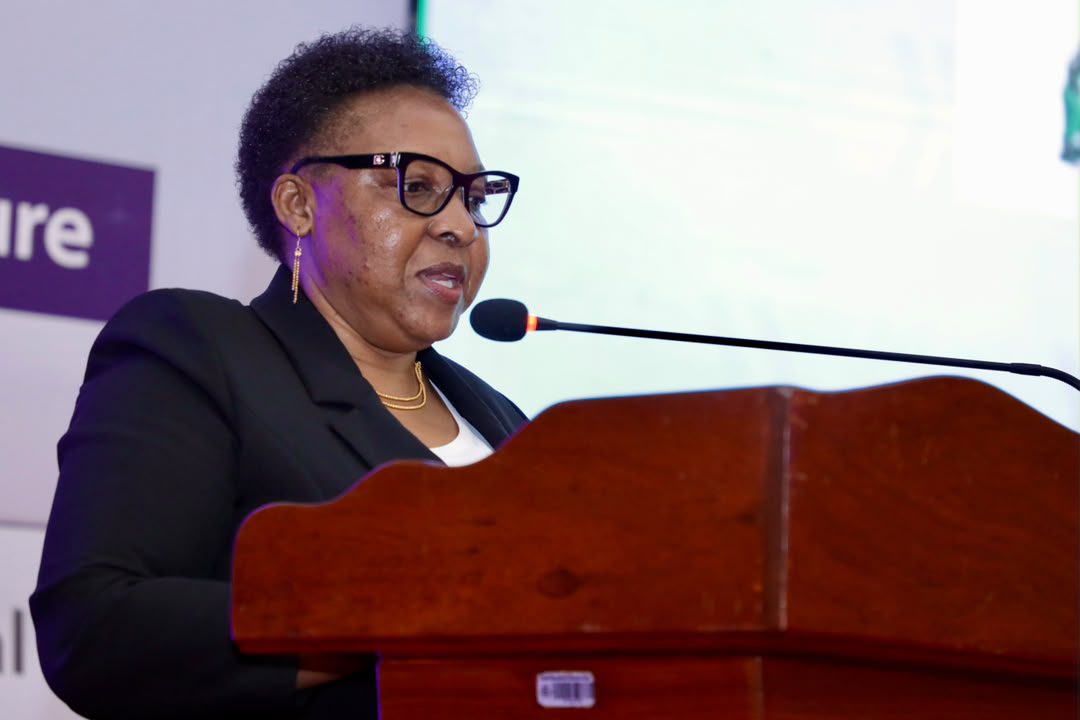
Speaking at the conference Benjamin Mkapa Foundation Chief Executive Officer Dr Ellen Mkondya-Senkondo said Tanzania’s future health system will depend on decisions made today in education, leadership development, science and technology.
She said the country’s population is projected to exceed 120 million by 2050, creating both opportunities and challenges.
“The question is not whether we have enough young people. The important question is whether we are preparing them with the skills, health and opportunities they need to contribute to national development,” she said.
Dr Mkondya-Senkondo warned that a youthful population can only become an advantage if properly prepared through education, health and skills development.
“A youthful population can become an engine of innovation, productivity and prosperity only if it is healthy, educated, skilled and productively engaged,” she said.
She urged Tanzania to focus not only on the number of health workers needed but also the type of professionals required in the future.
“For many years, we have asked how many health workers we need. We must now ask what kind of health workforce we need,” she said.
She said future health workers will require skills in digital health, artificial intelligence, health data management, biomedical engineering and climate health.
“Tanzania is changing. Urbanisation is increasing, technology is transforming healthcare delivery, non-communicable diseases are rising and our population is ageing. We must prepare young people for the future that is coming,” she said.
Muhimbili Orthopaedic Institute (MOI) Executive Director Ambassador Dr Mpoki Ulisubisya said Tanzania must increase investment in preventive healthcare to reduce pressure on hospitals.
He said rising cases of non-communicable diseases require a shift from treating illness to preventing it.
“No country has solved its health challenges through curative services alone. If we invest in prevention, fewer people will fall sick,” he said.
Dr Ulisubisya called for equal access to healthcare resources, saying quality services should not depend on location.
“The medicines, equipment, technology and infrastructure available in Dar es Salaam should also be available in Namtumbo, Tunduru and other parts of the country. We are treating the same human beings,” he said.
He added that artificial intelligence should support health workers rather than replace them.
“Artificial intelligence will make health workers more efficient, but it cannot replace human compassion and the ability to understand patients,” he said.
A medical officer from Namtumbo District Hospital, Dr Julietha Tibyesiga, said young health workers need better preparation for frontline challenges.
She called for reforms in medical education to strengthen prevention, community health and practical skills.
“Medical training should prepare graduates for the environments where they are most likely to work, not only for tertiary hospitals,” she said.
Dr Tibyesiga also emphasised mentorship, saying experienced professionals must guide young workers through coaching and exposure.
She said Tanzania’s future health workforce must combine clinical expertise, leadership, innovation and technology skills to support Vision 2050 goals.