



The morning sun rises over Pangani District Hosipital in Tanga as mothers begin arriving for antenatal care. A young mother cradles her newborn while waiting for a postnatal check up. Nearby, a group of adolescents confidently walks into a dedicated Youth Friendly Services unit to seek information and care in a safe and welcoming environment. Above them, solar panels quietly power the facility, while rainwater harvesting systems stand ready to provide one of healthcare’s most essential resources clean water.
It is a picture of hope.
Now! the communities are enjoying the easy access and friednly health services in Pangani District.
Under the Afya Himilivu project, funded by the Embassy of Ireland, Implemented by Amref Health Africa Tanzania in collaboration with the Ministry of Health, the Prime Minister’s Office Regional Administration and Local Government (PMO-RALG), Tanga Regional Health Management Team and Pangani District Council, the project is proving that resilient health systems are built not only with bricks and mortar, but by investing in people, strengthening health services and empowering communities in the content of climate change.
For Amref Tanzania, this work is part of a broader commitment to advancing Reproductive, Maternal, Newborn, Child and Adolescent Health and Nutrition (RMNCAH-N) and Sexual and Reproductive Health and Rights (SRHR) through innovative, integrated approaches that ensure quality healthcare reaches everyone especially women, children and young people even as climate change reshapes the health landscape.
More Than Buildings
Across Pangani, the transformation is becoming increasingly visible.
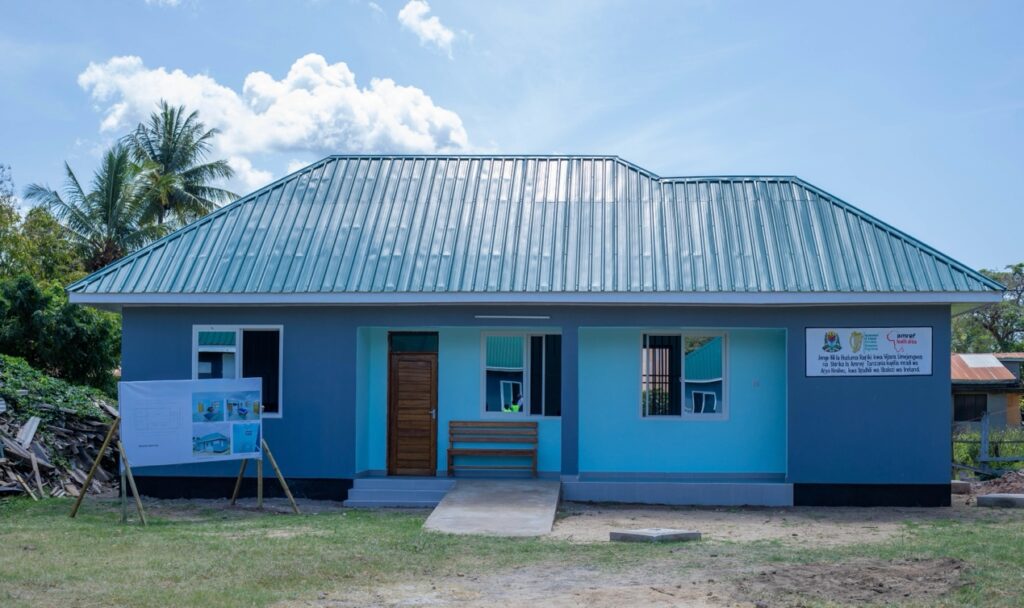
Health facilities are being upgraded to provide safer, more reliable and more resilient healthcare services. At Kwakibuyu Health Centre, Madanga Health Centre, Pangani District Hosipitalimprovements will strengthen the delivery of RMNCAH-N services while creating spaces where women can give birth safely, children can receive quality care and young people can confidently access age appropriate SRHR services.
The facility now benefits from reliable solar power, climate smart infrastructure, rainwater harvesting systems and improved service delivery areas that continue operating even during power outages or periods of water scarcity.
Under Nutrition component– The Afya Himilivu Project has transformed the care of children affected by severe acute malnutrition by investing in both people and infrastructure. Through hands on training, healthcare workers have strengthened their skills in the timely identification, assessment, stabilization, and management of children with severe acute malnutrition, ensuring that lifesaving care is delivered according to national standards.
Previously, children required specialized care were often referred to Bombo Regional Referal hospitals, forcing families to travel long distances, incur high transport and accommodation costs, and remain away from their homes and livelihoods. These barriers frequently delayed treatment or discouraged caregivers from completing referrals, placing vulnerable children at greater risk.
To address this challenge, the project supported the construction of a Nutrition Rehabilitation Centre, bringing specialized nutrition services closer to the community. The centre provides a dedicated, child friendly environment where children receive comprehensive treatment, nutrition counseling, and follow-up care without the burden of costly and difficult referrals. Together, the strengthened capacity of healthcare workers and the establishment of the Nutrition Rehabilitation Centre are improving the quality of care, increasing timely access to lifesaving services, enhancing recovery rates, and giving children in Pangani a healthier start in life while strengthening the resilience of the district health system.
Building Climate Resilient Health Facilities and Strengthening Community Systems for Uninterrupted RMNCAH and Nutrition Services
Frequent electricity outages and water shortages have historically disrupted the delivery of essential Reproductive, Maternal, Newborn, Child and Adolescent Health (RMNCAH) and nutrition services at Kwakibuyu Dispensary, compromising the quality, safety, and continuity of care. In parallel, limited community awareness and delayed health-seeking behaviours among pregnant women contributed to late attendance for antenatal care and reduced utilization of skilled maternity services.
Today, the situation has significantly improved through a comprehensive package of health system strengthening interventions implemented under the Afya Himilivu Project. The installation of climate-smart infrastructure, including a solar photovoltaic energy system and a rainwater harvesting system, has substantially enhanced the facility’s operational resilience. Reliable solar power now provides uninterrupted electricity for maternity and delivery services, powers critical medical equipment, maintains the vaccine and medicine cold chain, and enables the provision of emergency services during grid power interruptions. At the same time, the rainwater harvesting system ensures a reliable supply of clean water for infection prevention and control (IPC), environmental hygiene, maternal and newborn care, nutrition rehabilitation, and other essential clinical services, even during prolonged drought and water scarcity.
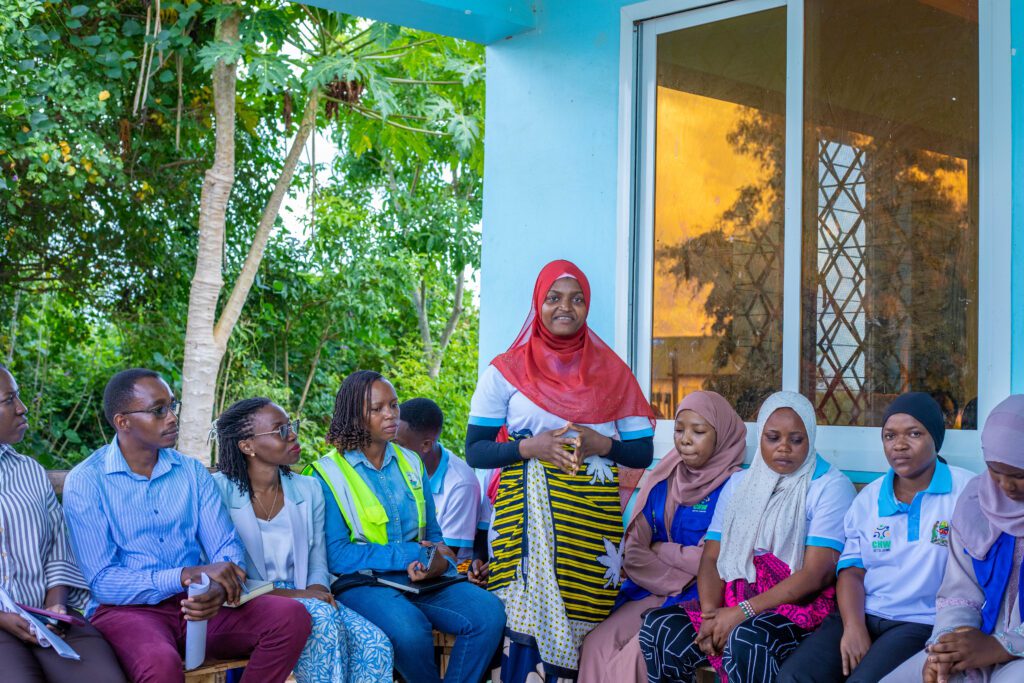
Beyond infrastructure, the project has strengthened the community-health facility continuum of care by supporting the training and deployment of 192 Community Health Workers (CHWs) across Pangani District. Working closely with health facilities and local leaders, CHWs conduct household visits, community dialogues, and health education sessions to promote early antenatal care attendance, skilled birth attendance, postnatal care, childhood immunization, optimal maternal and child nutrition, and timely referral of pregnant women and children requiring medical attention. Their engagement has increased community awareness, improved health-seeking behaviours, and strengthened the linkages between communities and health facilities, particularly for vulnerable and hard-to-reach populations.
To complement these efforts, the project also built the capacity of more than 30 healthcare workers through training on Respectful Maternity Care (RMC). The training enhanced providers’ competencies to deliver dignified, woman-centred, and evidence-based maternity services, promoting respectful communication, informed consent, privacy, and compassionate care throughout pregnancy, childbirth, and the postnatal period. Together, these investments have improved both the quality of care and clients’ confidence in utilizing health services.
Collectively, these interventions have transformed Kwakibuyu Dispensary into a more climate-resilient and people-centred health facility capable of sustaining high quality RMNCAH and nutrition services during climate related shocks and other service disruptions. By combining resilient infrastructure, a strengthened community health workforce, and improved provider capacity, the project has enhanced service readiness, increased utilization of essential health services, improved patient safety, and safeguarded access to lifesaving care for pregnant women, newborns, children, adolescents, and other vulnerable populations.
These interventions were supported by the Embassy of Ireland through the Afya Himilivu Project, implemented by Amref Health Africa in Tanzania. Similar climate-smart investments, including solar energy and rainwater harvesting systems, have also been installed at Madanga Health Centre and Pangani District Hospital. Together with the deployment of 187 Community Health Workers and capacity building of healthcare providers, these investments are strengthening the resilience of the primary healthcare system and ensuring uninterrupted RMNCAH and nutrition services for communities across Pangani District where 99% of pregnant women are now delivering institutional out of deliveries in the face of increasing climate variability and other health system challenges.
Communities Are Leading the Change
But resilient health systems are not built inside health facilities alone.
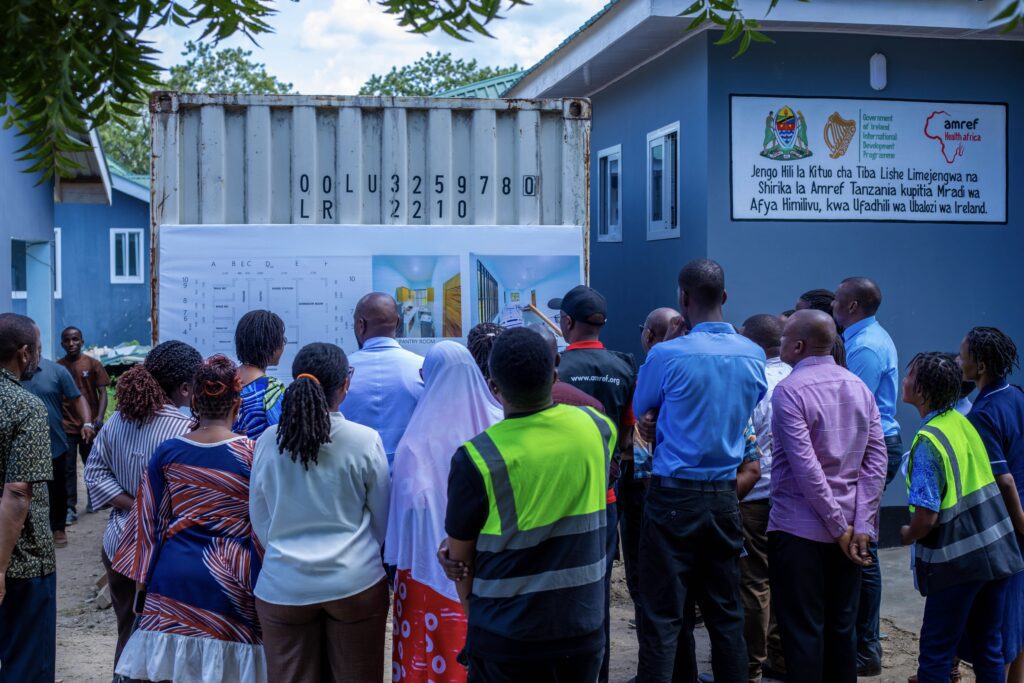
Across villages in Pangani, Community Health Workers are helping families understand how climate change affects their health and what they can do to protect themselves.
Working alongside community leaders and the Tanzania Meteorological Authority (TMA), they are sharing practical information on nutrition, maternal health, disease prevention and climate adaptation while encouraging families to seek care early.
Their work is strengthening the entire continuum of RMNCAH-N care from encouraging women to attend antenatal clinics early and deliver at health facilities, to supporting child nutrition, promoting family planning and linking vulnerable households with essential health services.
More than 15,000 community members have already benefited from climate and health education, helping communities prepare before emergencies strike rather than responding after disasters occur.
Giving Young People a Place to Be Heard
For many adolescents, seeking sexual and reproductive health services has often meant overcoming fear, stigma or a lack of privacy.
Today, dedicated 21 Youth Friendly Corners are changing that experience.
The Afya Himilivu Project funded by Irish Embassy has empowered adolescents and young people by strengthening both the capacity of service providers and the environments where they seek care and information. Through comprehensive training, healthcare workers, Community Health Workers (CHWs), secondary school peer educators, and health teachers have enhanced their knowledge and skills to provide accurate, age-appropriate, and youth-friendly Sexual and Reproductive Health and Rights (SRHR) information and services. As trusted mentors within health facilities, schools, and communities, they are helping adolescents make informed decisions, reduce stigma, and increase demand for essential SRHR services.
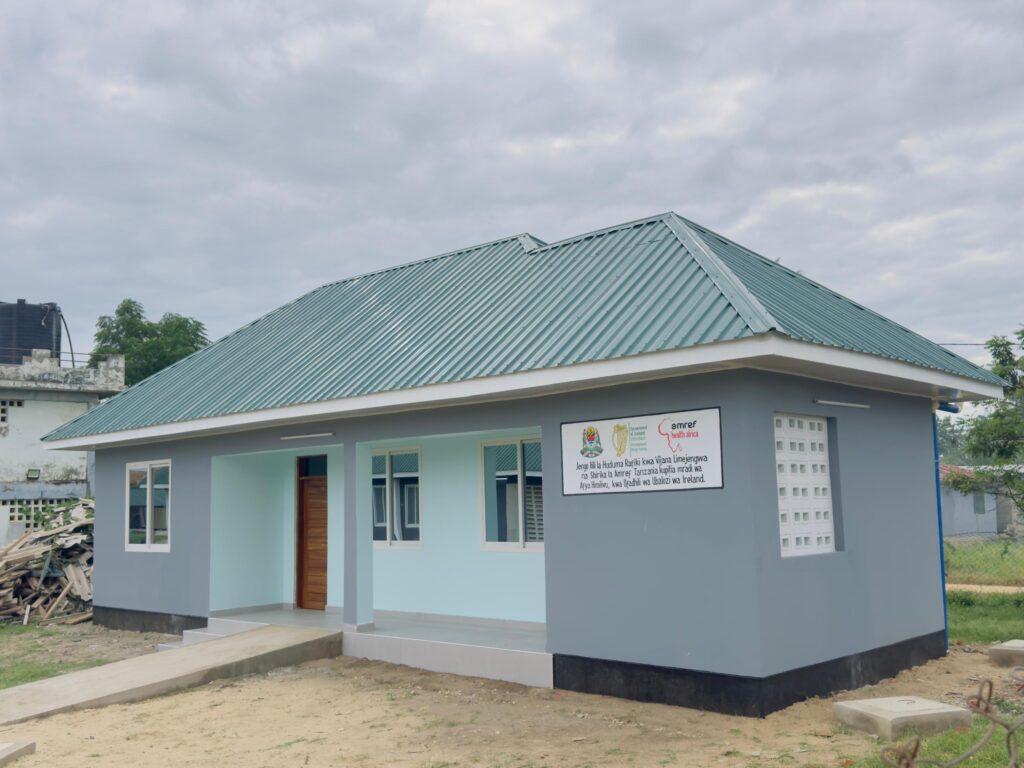
To complement these efforts, the project supported the construction of a Youth-Friendly Centre at Pangani District hosipital, creating a safe, welcoming, and confidential space where adolescents and young people can access counseling, health education, family planning information, HIV and STI prevention services, and psychosocial support without fear of judgment.
Previously, many young people lacked dedicated spaces to seek SRHR services, often resulting in missed opportunities for early care, limited access to accurate information, and increased vulnerability to unintended pregnancies, sexually transmitted infections, and gender based violence. By combining strengthened human capacity with youth centered infrastructure, the Afya Himilivu Project has fostered healthier behaviors, improving access to quality SRHR services, and empowering young people in Pangani to reach their full potential.
The Results Are Already Visible
The changes taking place across Pangani are not only visible they are measurable.
Increased in Pangani District Institutional delivery coverage from 97% in 2024 to 99% in 2026,
Increased of proportion of pregnant women attending their first ANC visit before 12 weeks of gestation from 25% in 2024 to 32% in 2026
Increased in Iron and Folic acid utilization from 71% (2024) to 94% (2026)
The consistent increase reflects strengthened community engagement and earlier access to essential maternal healthcare.
A Shared Vision for Healthier Communities
During a recent monitoring visit to Pangani, the impact of the project was evident.
For Dr.Sophia Kabome, Pangani District Medical Officer, “The Afya Himilivu Project has made a significant contribution to strengthening the health system in Pangani District through integrated investments in infrastructure, workforce capacity, and community health. The project supported the training and deployment of 192 Community Health Workers (CHWs) under the Integrated and Coordinated Community Health Worker (ICCHW) Programme, enabling them to provide health education, promote early care-seeking, conduct household follow-up, and facilitate timely referrals for pregnant women, children, and other vulnerable populations.
In addition, the project has strengthened the capacity of more than 30 healthcare workers through competency-based training on Respectful Maternity Care (RMC), Family Planning, and the assessment and management of Severe Acute Malnutrition (SAM). These interventions have improved the quality of maternal, newborn, child, and nutrition services while enhancing client centred care across our health facilities.
Furthermore, the installation of climate-smart technologies, including solar power systems and rainwater harvesting infrastructure, has enhanced the resilience of our health facilities by ensuring uninterrupted delivery of essential RMNCAH and nutrition services during electricity outages and water shortages. Together, these investments have strengthened both community and facility-based health systems, improved service readiness and quality of care, and increased access to lifesaving services for the people of Pangani District.”
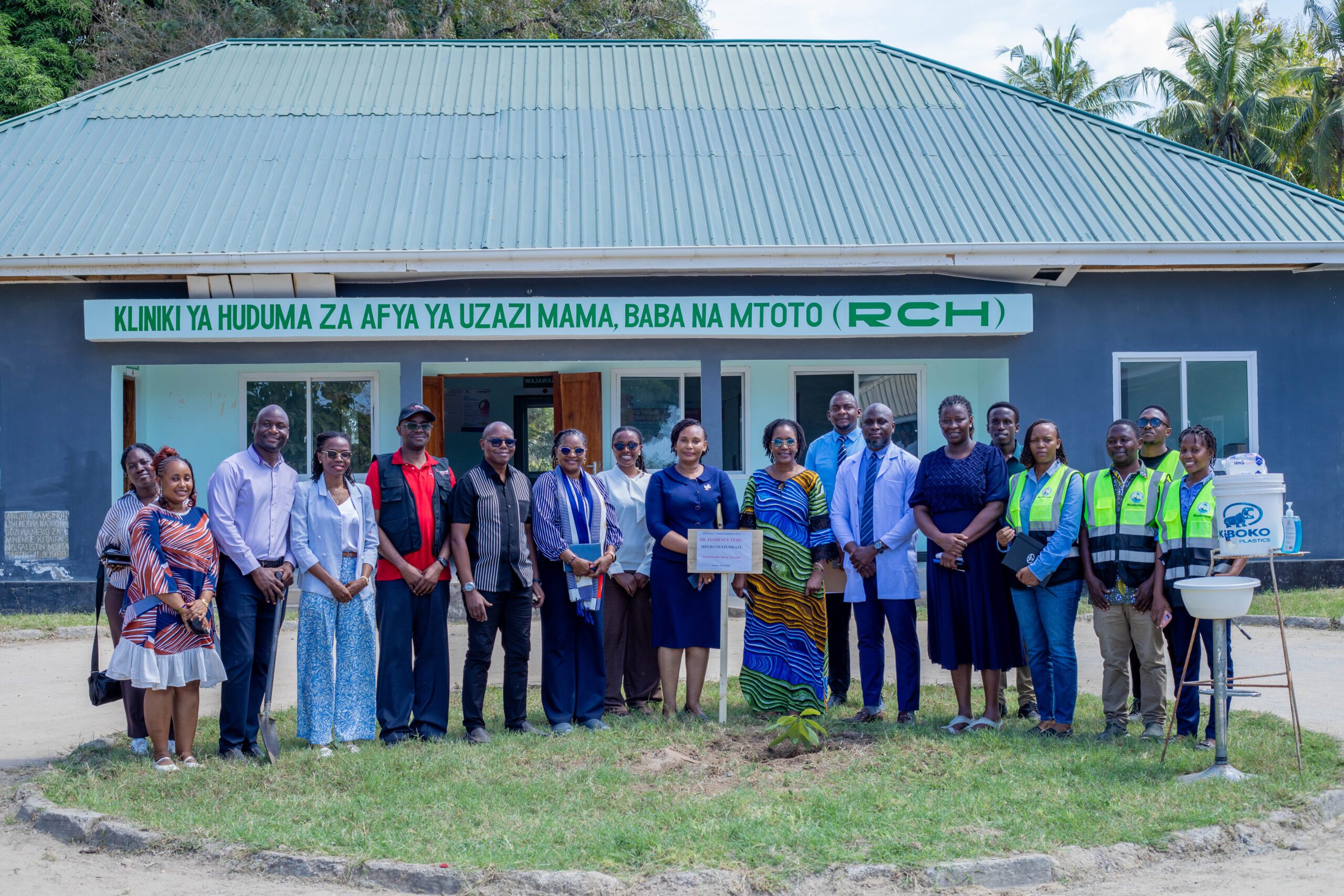
Dr. Florence Temu, Country Director, Amref Health Africa in Tanzania, during a visit to the newly established RMNCAH Unit at Pangani District Hospital
Reflecting on the progress achieved through the Afya Himilivu Project, Dr. Florence Temu remarked:
“Walking through Pangani District Hospital today is a powerful reminder that sustainable transformation is possible when communities, government, and development partners work together towards a shared vision. Every Youth-Friendly Service Corner established, every climate-resilient health facility powered by solar energy, every rainwater harvesting system installed, and every improvement in maternal, newborn, child, adolescent health, and nutrition services represents a long-term investment in the health and well-being of the people of Pangani.
At Amref Health Africa in Tanzania, we believe that resilient health systems are the cornerstone of resilient communities. Through the Afya Himilivu Project, with the generous support of the Embassy of Ireland, we are strengthening both community and primary healthcare systems by integrating climate resilience, quality healthcare, and community empowerment. This includes investing in climate-smart health infrastructure, training and deploying Community Health Workers, strengthening the capacity of healthcare providers, and improving access to respectful, high-quality RMNCAH and nutrition services.
These investments are ensuring that women, newborns, children, adolescents, and vulnerable populations continue to receive essential healthcare services despite the growing impacts of climate change. Together, we are not only addressing today’s health challenges but also building a stronger, more resilient health system that will serve future generations.”
Watching the progress across the district, Dr. Peter Nyella, Programme Manager – Health, Embassy of Ireland, Tanzania, reaffirmed the importance of investing in resilient health systems.
“The Embassy of Ireland is proud to partner with the Government of Tanzania and Amref Tanzania in strengthening health systems that respond to today’s realities. The strong collaboration between Government and Amref authorities at national, regional, and district levels demonstrates the power of partnership in delivering meaningful and sustainable health outcomes. Climate change is increasingly influencing health outcomes and service delivery, making investments in resilient infrastructure, renewable energy solutions, youth friendly services, and stronger community health systems more critical than ever. These efforts ensure that women, children, adolescents, and communities continue to access quality healthcare even during climate related shocks. The Afya Himilivu Project is an excellent example of how climate resilience and quality primary healthcare can be integrated to create sustainable and lasting impact.”
A Future Built on Resilience
Afya Himilivu project is proving that climate action and healthcare cannot be separated.
By integrating climate resilience into Reproductive, Maternal, Newborn, Child and Adolescent Health and Nutrition (RMNCAH-N) services, strengthening Sexual and Reproductive Health and Rights (SRHR), empowering communities, improving health infrastructure and expanding access to quality primary healthcare, the project is creating stronger and more resilient health systems for Pangani.
For Amref Tanzania, it reflects our commitment to ensuring that every woman, every child and every young person can access quality healthcare, regardless of the growing challenges posed by climate change. With generous suport from Through strong collaboration with the Government of Tanzania and local communities, we continue to champion integrated solutions that place people at the centre of health system strengthening.
Afya Himilivu project is one example of Amref Health Africa Tanzania’s broader commitment to advancing RMNCAH-N, SRHR and climate-resilient health systems ensuring healthier communities today while building resilience for generations to come.