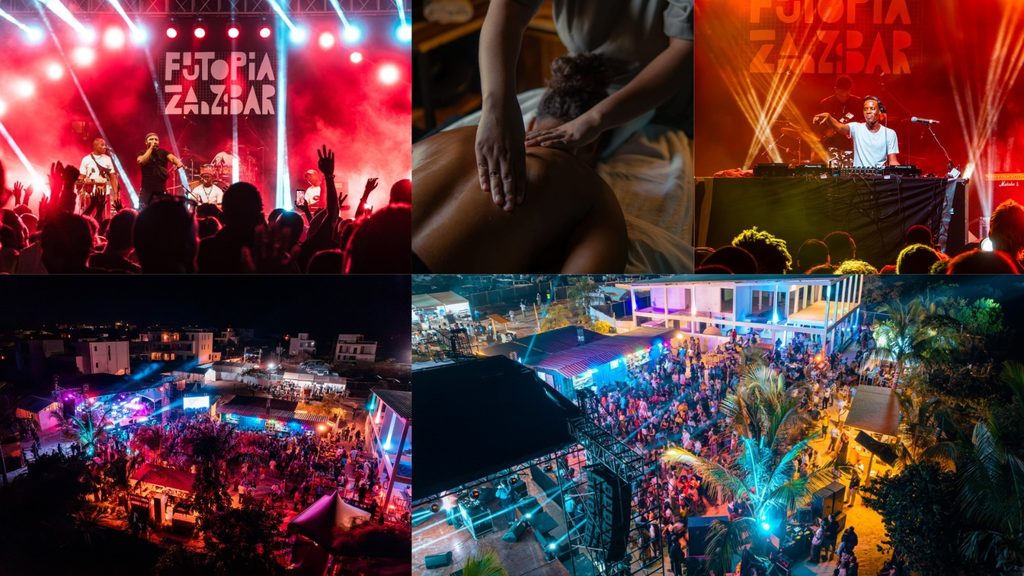



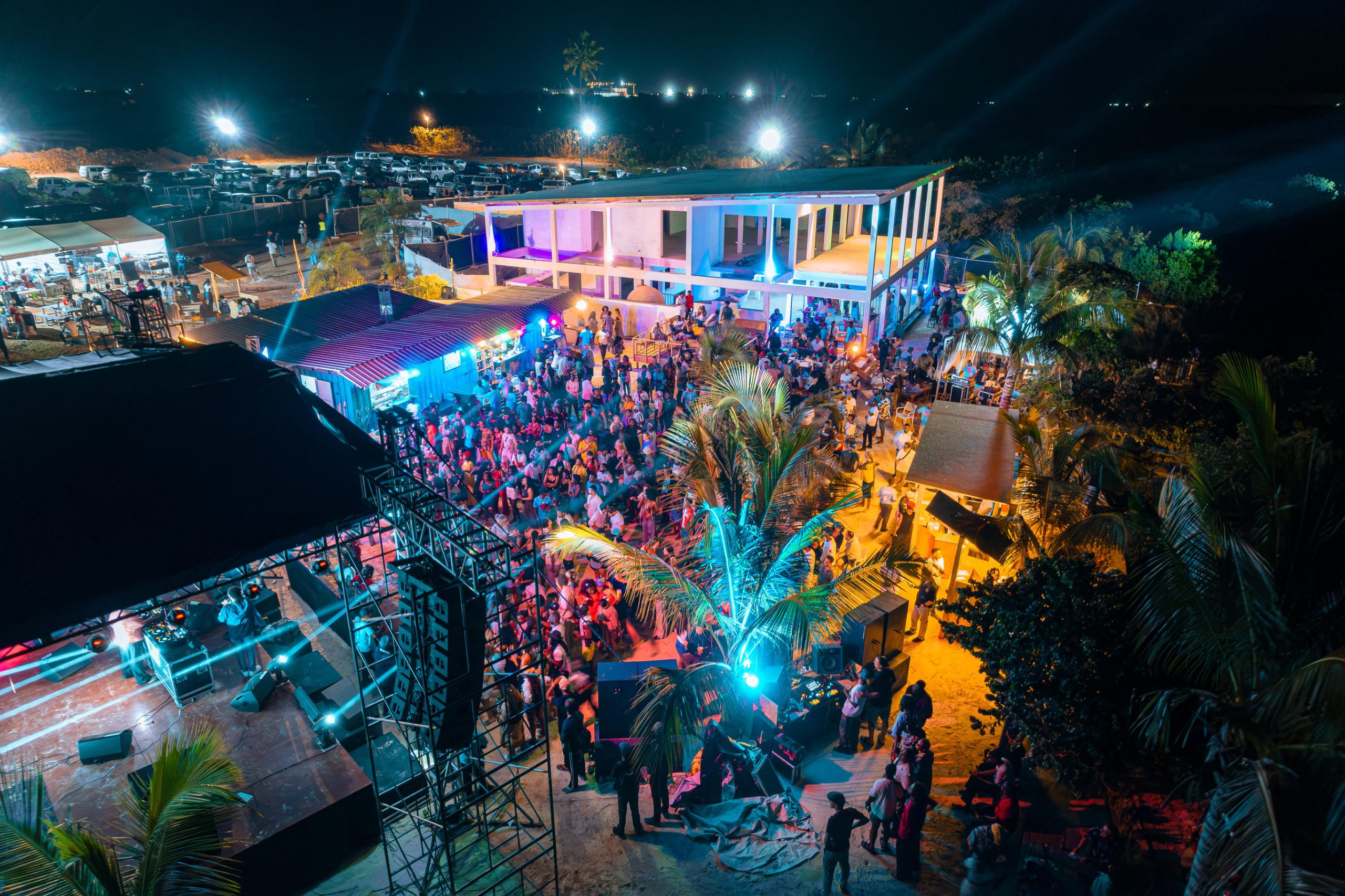
ZANZIBAR — Fumba Town is expanding its residential and leisure facilities with new hospitality, wellness, shopping and recreational services, as the development seeks to establish itself as a growing coastal community in Zanzibar.
The planned December 2026 opening of Thai Kani restaurant, alongside the introduction of the Fumba Town Ranch, Sebule spa and Everyday24 supermarket, marks a new phase in the development of the master-planned community on Zanzibar’s western coast.
The additions are part of a broader strategy by developer CPS Africa to create a town where residents can access essential services, recreation, hospitality and community facilities within their neighbourhood.
CPS Africa Chief Executive Officer Sebastian Dietzold says the vision goes beyond constructing residential properties to creating an urban centre where people can live, work and socialise.
“Our ambition is to create a new urban centre, a new town where people love to live and work. We want Fumba Town to operate on solid and reliable infrastructure, providing safe and secure surroundings, a welcoming environment for children to play and a place where families can enjoy a modern coastal lifestyle,” he says.
He adds that the development’s proximity to Zanzibar’s international airport provides residents with convenient connections to other destinations while allowing them to enjoy coastal living.
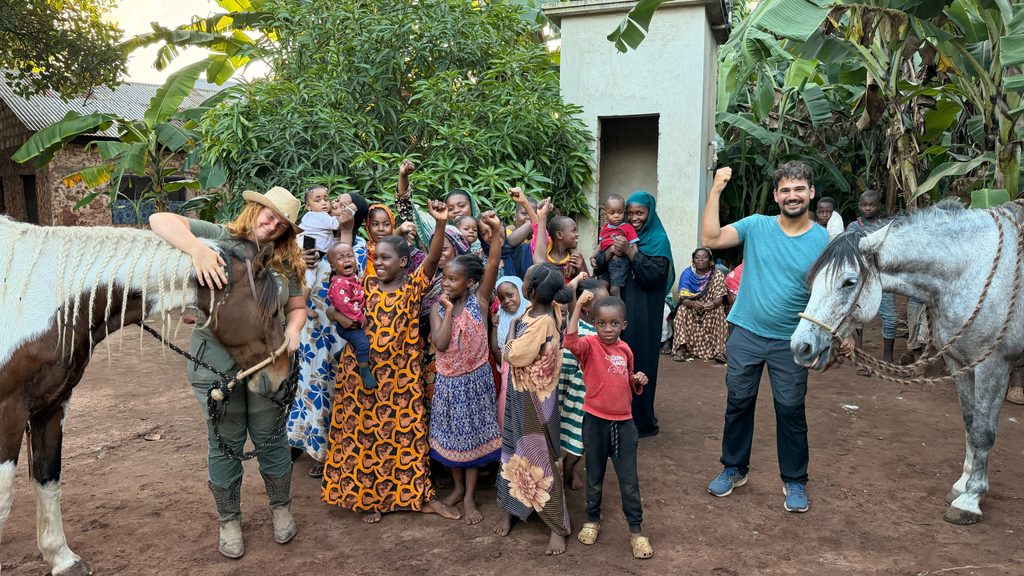
One of the planned additions is the Fumba Town Ranch, which is expected to introduce horse riding and lessons for beginners and experienced riders.
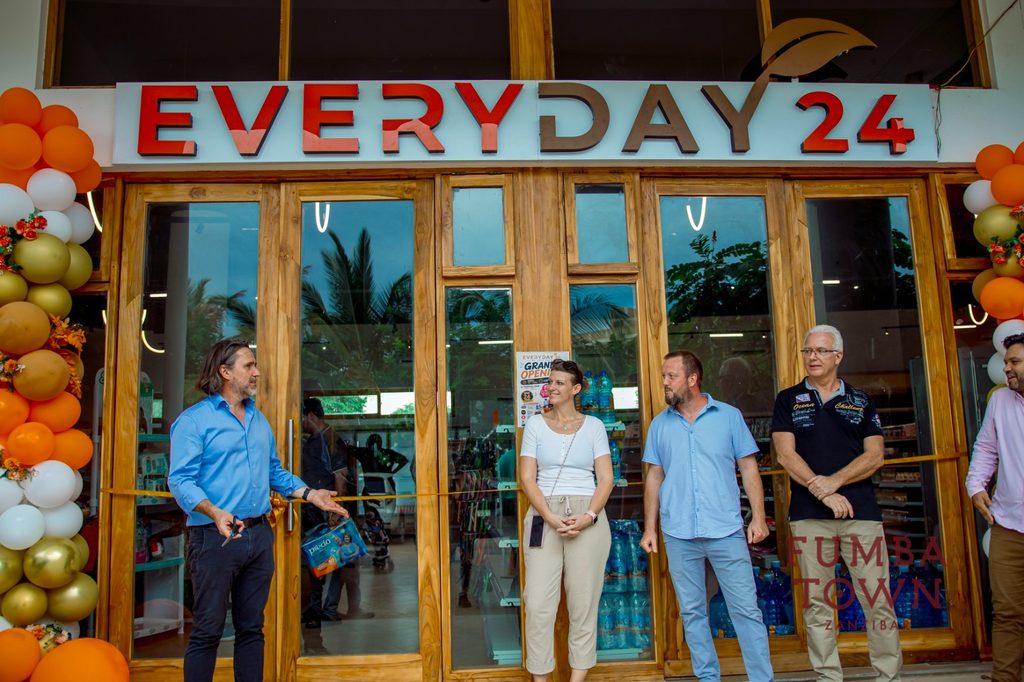
The facility is also expected to offer horse-assisted activities aimed at supporting children and adults with additional psychological and developmental needs, including people with attention-deficit/hyperactivity disorder (ADHD) and autism.
Such activities can provide opportunities for participants to develop confidence, engage in structured recreation and interact with horses in a supportive setting. However, the extent of any therapeutic benefits will depend on the nature of the programmes and the qualifications of those delivering them.
Dietzold says the ranch is intended to broaden recreational opportunities for families and make the development more attractive to people seeking activities beyond conventional residential facilities.
“People increasingly look for more than a beautiful home or an attractive holiday destination. They want experiences that enrich their lives and provide opportunities for the whole family,” he says.
The development is also adding Sebule, a spa intended to provide wellness and relaxation services for residents and visitors.
Another planned facility is Everyday24, a supermarket designed to operate 24 hours a day. It is expected to improve access to everyday essentials, particularly for residents with different working schedules and lifestyles.
Dietzold says access to such services is important in building a functioning town rather than a collection of residential buildings.
“A successful town needs more than homes. It needs the services and facilities that make everyday life convenient and enjoyable,” he says.
Community facilities are also part of the development’s expansion. The Fumba Town Library, run by Tracy, provides books, children’s movie evenings and community events, offering residents a shared space for learning and social interaction.
The library is intended to encourage reading among younger residents while creating opportunities for families and neighbours to connect.
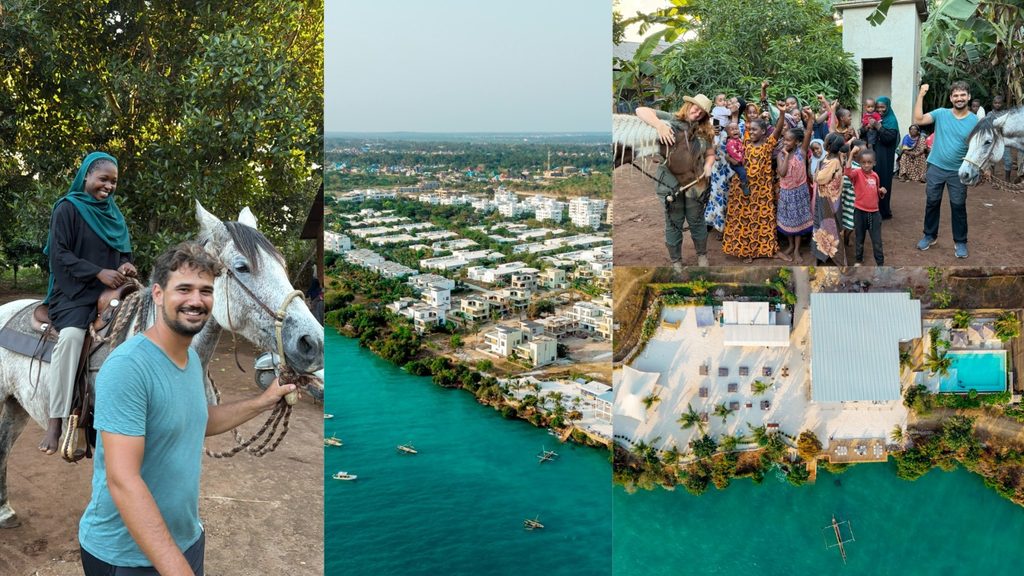
Dietzold says community facilities play an important role in building relationships among residents and developing a shared sense of belonging.
“We want Fumba Town to be a place where people know their neighbours, where children have opportunities to learn and play, and where families can participate in community activities,” he says.
The hospitality sector is also expected to benefit from the planned opening of Thai Kani in December 2026.
The restaurant is expected to introduce another dining option within the development, providing a meeting place for residents and visitors while expanding Fumba Town’s hospitality offering.
Dietzold says restaurants can contribute to a destination’s social life by creating spaces where people meet, celebrate and spend time together.
The combination of residential facilities, recreation, wellness, shopping and hospitality reflects a wider approach to coastal development, where housing is complemented by services that support everyday life.
CPS Africa is positioning Fumba Town as more than a property development, targeting permanent residents, international homeowners and visitors seeking a residential and leisure destination in Zanzibar.
The approach comes amid changing expectations among property buyers, who increasingly consider access to reliable infrastructure, safety, shopping, recreation and other services when choosing where to live.
Fumba Town has more than 2,500 residents from over 70 nationalities, according to the developer. Its growing population provides a potential market for the new services and businesses being introduced.
For Zanzibar, developments combining residential communities with leisure, wellness and hospitality facilities could broaden the island’s appeal beyond its established tourism attractions, including beaches, heritage sites and hotels.
The success of such developments, however, will also depend on the quality, accessibility and sustainability of the services they provide, as well as their contribution to the wider local economy.