


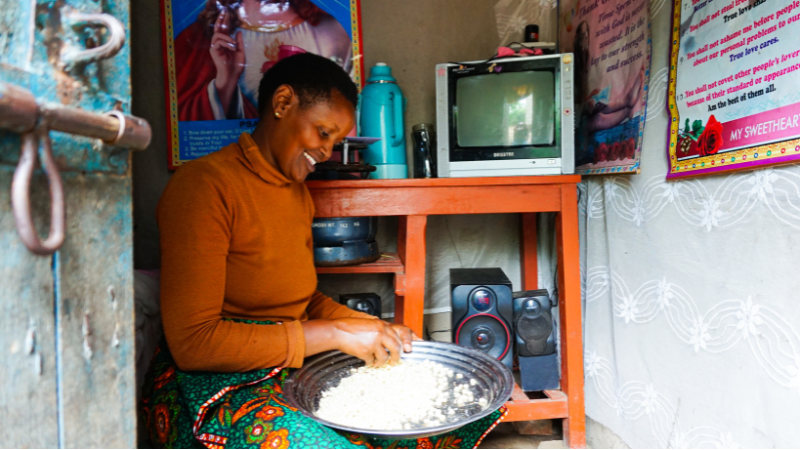
IN Kimnyaki Village, in Ngaramtoni Ward, Arusha District, the sound of radio is carrying more than music and news. For many families, it has become a trusted source of advice on parenting; maternal health and child nutrition, helping young parents make informed decisions about raising healthy children.
Every evening, radios switch on in homes across the village as parents tune in to programmes discussing reproductive health, nutrition and early childhood development.
Through the ‘Mzazi Hodari’ project, implemented by Girl Effect under its youth brand ‘Tujibebe’, radio is emerging as a powerful platform for delivering practical health information in a way that is accessible, relatable and rooted in everyday life.
What makes the programmes particularly effective is their storytelling approach. Instead of relying only on formal lectures, the broadcasts blend expert discussions with real-life experiences, radio dramas and live audience participation through phone calls and text messages.
The format has helped transform health education into part of ordinary family conversations rather than something associated solely with clinics and hospitals.
For many young parents, especially mothers in rural communities, the programmes have become a source of reassurance and encouragement. Listening to other parents openly discussing their experiences and challenges reduces feelings of isolation while building confidence in the advice being shared.
Joyce Joseph, a mother from Kimnyaki village, says the programme reached her at a critical point during her first pregnancy.
“When I started listening to the programme, I began to understand the important things I needed to do during pregnancy and after giving birth,” she says. “I learned that for the first six months, a baby should only be given breast milk.”
The information encouraged her to attend clinic appointments on time, improve her nutrition during pregnancy and prepare more confidently for motherhood. Today, she says she is proud to see her child growing up healthy while she herself has gained a deeper understanding of childcare and nutrition.
The impact of the broadcasts also extended to her husband, Miseyeki Joseph, whose perception of parenting changed after listening to episodes featuring young fathers discussing their role in raising children.
“In the past, many of us believed childcare was entirely a woman’s responsibility,” he says. “But hearing other fathers talk about supporting their wives and seeing positive changes in their families made me rethink my role.”
Today, Miseyeki actively participates in caring for the child, assists with household responsibilities and ensures the family follows the health advice they hear on the radio. He believes fathers have a vital role in creating a supportive home environment and contributing to a child’s healthy development.
The changes taking place in Kimnyaki reflect broader national efforts to improve maternal and child health services across Tanzania. Through policies such as the National Health Policy, National Nutrition Guidelines and the National Early Childhood Development Programme, the government continues to promote better healthcare, nutrition and early learning opportunities for children from pregnancy through to school age.
Health experts emphasise that the first years of a child’s life are critical for physical, emotional and cognitive development. Pregnant women are therefore encouraged to attend antenatal clinics early, maintain balanced nutrition, deliver in healthcare facilities and ensure children receive all recommended vaccinations on time.
Tanzania also continues to implement World Health Organization recommendations promoting exclusive breastfeeding during the first six months of life. Medical experts say breast milk strengthens immunity, supports brain development and helps create strong emotional bonds between mothers and children.
On children’s welfare, Tanzania’s Law of the Child Act of 2009 provides legal protection for children’s rights to healthcare, nutrition, education, safety and proper care. The law places responsibility on parents, communities and the state to ensure children grow up in secure and supportive environments.
Despite these policies and legal frameworks, reaching rural communities with accurate health information remains a challenge. Some families still face barriers such as long distances to health facilities, shortages of healthcare workers and limited access to reliable information. In many areas, radio continues to bridge that gap.
Unlike digital platforms that require internet access or expensive devices, radio remains affordable and widely accessible, even in remote villages. People can listen while farming, cooking, caring for children or working in local markets. More importantly, radio builds familiarity and trust by using local languages and stories that reflect the realities of everyday life.
Health communication experts argue that the most effective public health education is communication that actively involves communities, encourages dialogue and reflects people’s lived experiences. Interactive radio programmes have proven especially successful in influencing attitudes and behaviour because listeners hear from people facing challenges similar to their own.
Alongside radio programmes, community health workers, mothers’ support groups, social media campaigns and local outreach meetings are also helping expand health education across Tanzania. Yet in many rural communities, radio remains one of the most influential and trusted communication tools available.
In Kimnyaki village, the impact of this education is already visible. More parents are attending clinics earlier, understanding the importance of proper nutrition and sharing responsibilities in raising their children. Families are gradually building a culture of learning together through the voices they hear on the radio.
As communication technology continues to evolve, the experience of Kimnyaki demonstrates that radio still holds enormous power to drive social change.
Through expert advice, personal testimonies and discussions grounded in everyday realities, it continues to offer hope to families striving to give their children a healthier start in life.
For parents like Joyce and Miseyeki, the lessons learned through radio have not only changed the way they raise their child, but also transformed their understanding of health, parenting and the shared responsibility of building a healthier future generation.