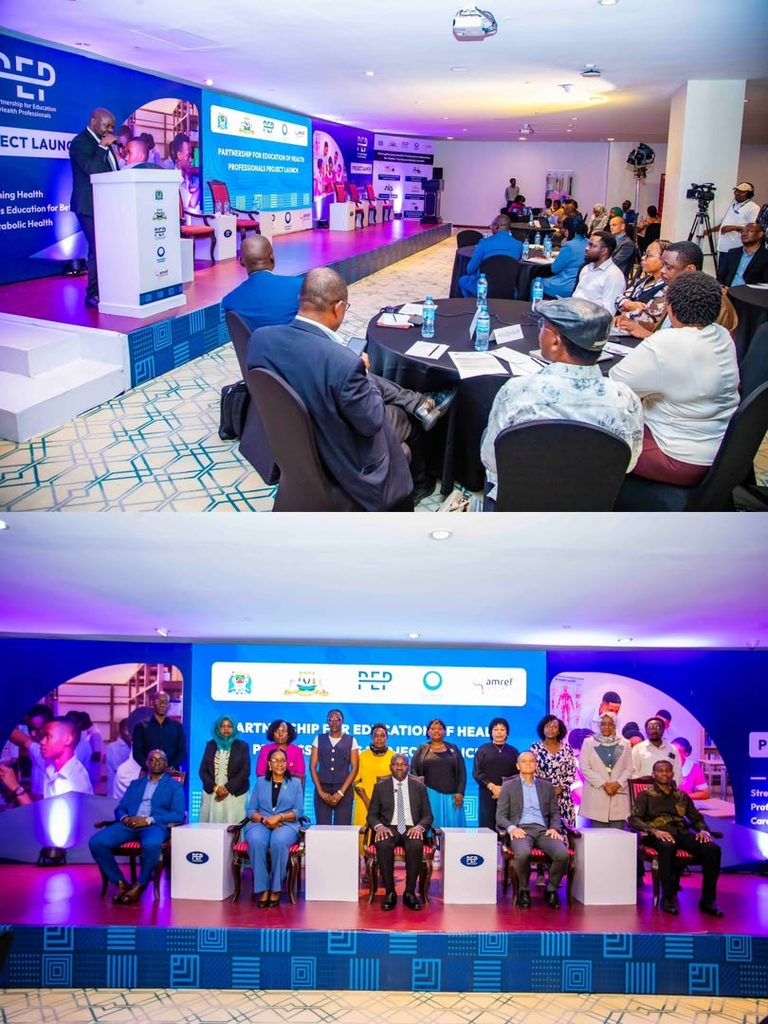




TANZANIA is stepping up efforts to improve the prevention and management of cardiovascular diseases, diabetes and other non-communicable diseases through a three-year programme targeting more than 27,000 health students and practising professionals.
The initiative, implemented by Amref Health Africa Tanzania in partnership with the Novo Nordisk Foundation, expands the Partnership for Education of Health Professionals (PEP) programme, focusing on strengthening the skills of nurses, clinical officers and other health workers who provide essential services at primary healthcare facilities.
The programme will be implemented in collaboration with the Ministry of Health, the Ministry of Education, Science and Technology, universities and regulatory bodies. It targets 113 training institutions, 25,500 pre-service students and 1,600 practising health professionals.
It will also establish two Centres of Excellence under a hub-and-spoke model to facilitate knowledge-sharing, mentorship and the adoption of effective teaching practices across participating institutions.
Denmark’s Ambassador to Tanzania, Jesper Kammersgaard, described the initiative as an example of the value of international cooperation in strengthening healthcare systems.
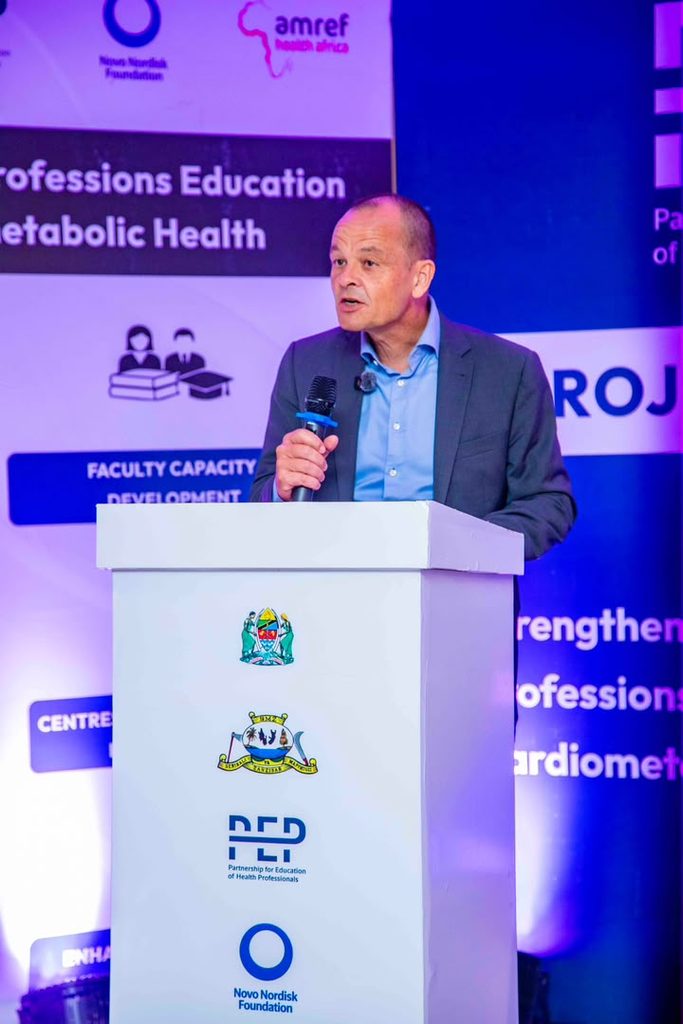
Novo Nordisk Foundation Chief Scientific Officer, Prof. Flemming Konradsen, said investing in health training institutions was essential to reducing healthcare inequalities and strengthening teaching, research and clinical leadership.


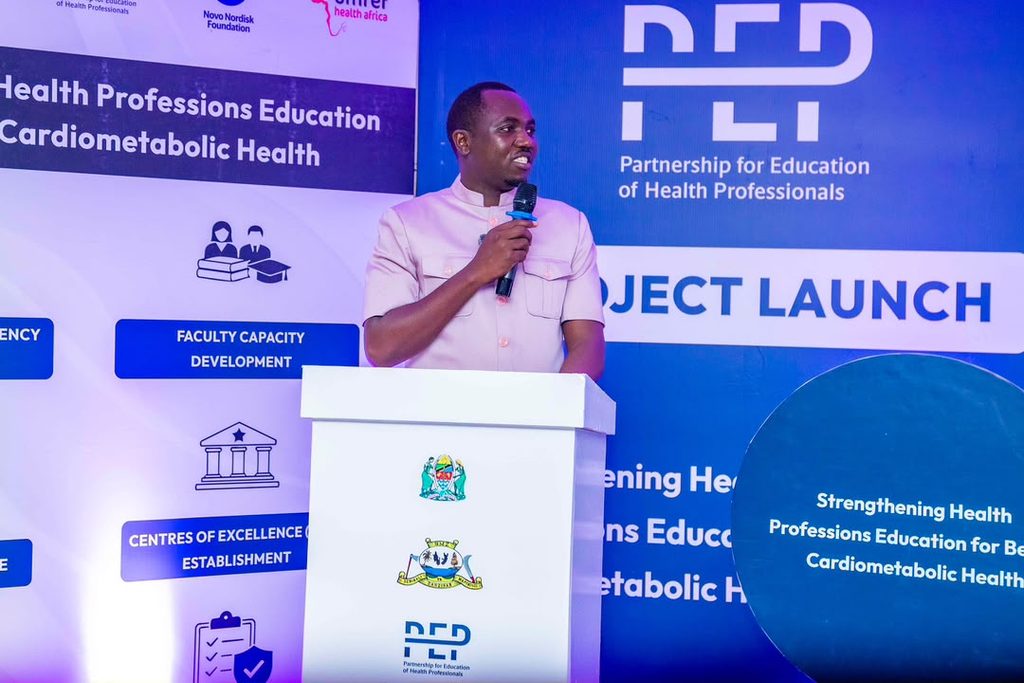
Representing the Chief Medical Officer, the Ministry of Health’s Director of Preventive Services, Dr Samwel Lazaro, said the programme’s success would be assessed through graduates’ competencies, the quality of clinical training and improvements in healthcare services at community level.
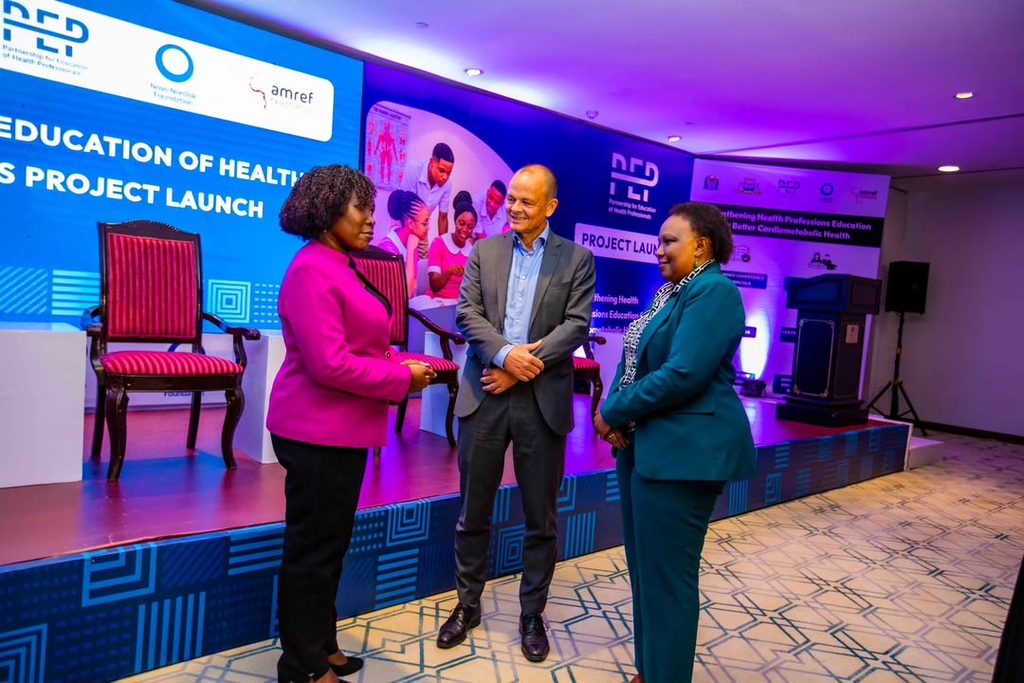
Amref Health Africa Tanzania Country Director, Dr Florence Temu, reaffirmed the organisation’s commitment to developing a skilled health workforce capable of delivering sustainable improvements in healthcare.
The programme responds to gaps identified in an Amref assessment, including fragmented training curricula, limited simulation-based learning and inadequate capacity among educators.
Over the three years, interventions will focus on updating cardiometabolic disease curricula, strengthening faculty development and mentorship, expanding digital and simulation-based learning, and building research capacity.


The programme will also promote gender equality in professional development, recognising the significant contribution of women to nursing and other allied health professions.
The focus on cardiometabolic diseases comes amid growing concerns over the burden of non-communicable conditions in Tanzania. These include cardiovascular diseases, diabetes, kidney disease and obesity.
Available estimates indicate that hypertension affects more than 25 per cent of adults in the country, while diabetes prevalence ranges between three and five per cent.
By aligning health professionals’ education with the needs of healthcare delivery, the initiative seeks to improve the quality of care, particularly in underserved and rural communities where access to specialised medical services remains limited.