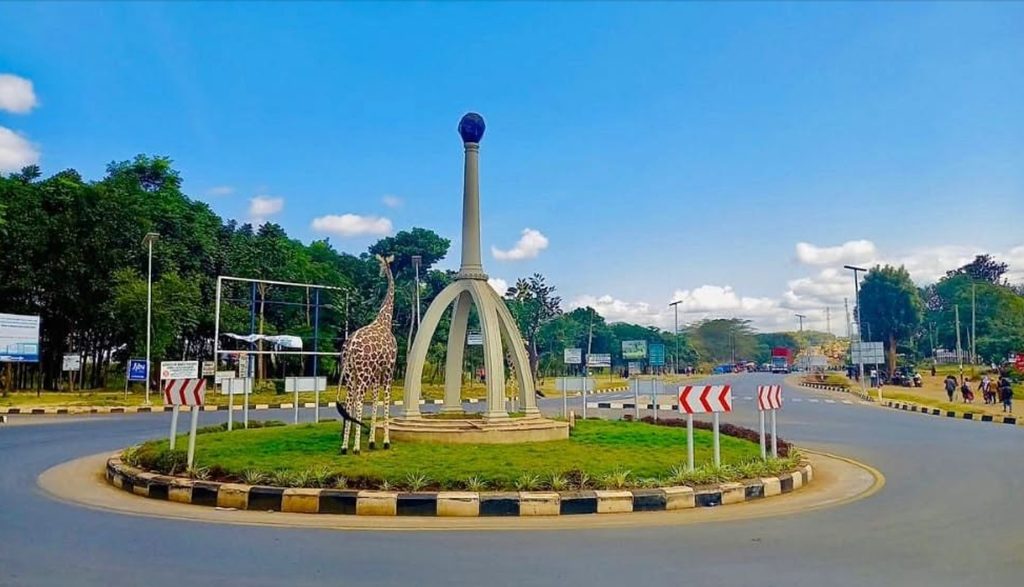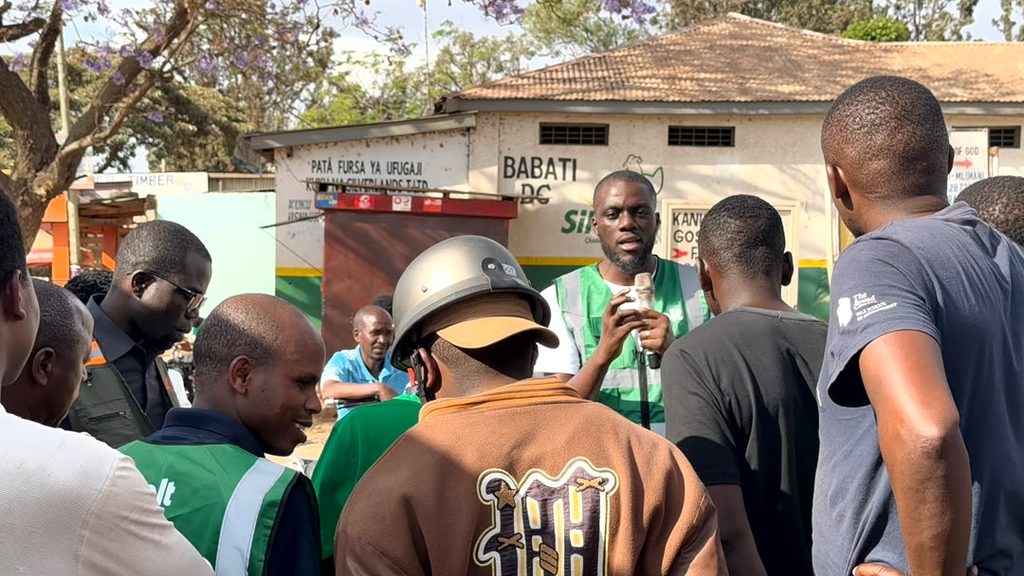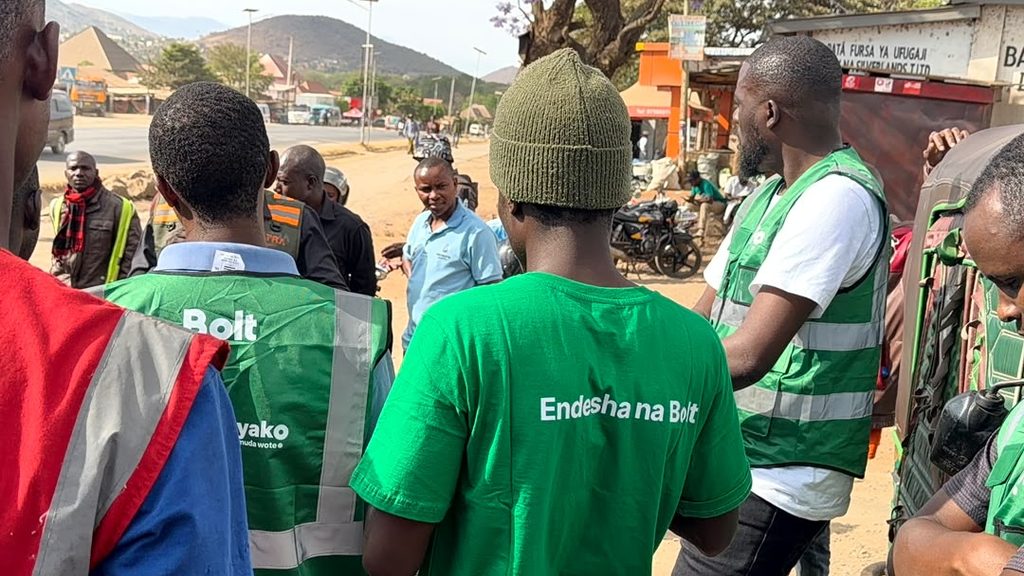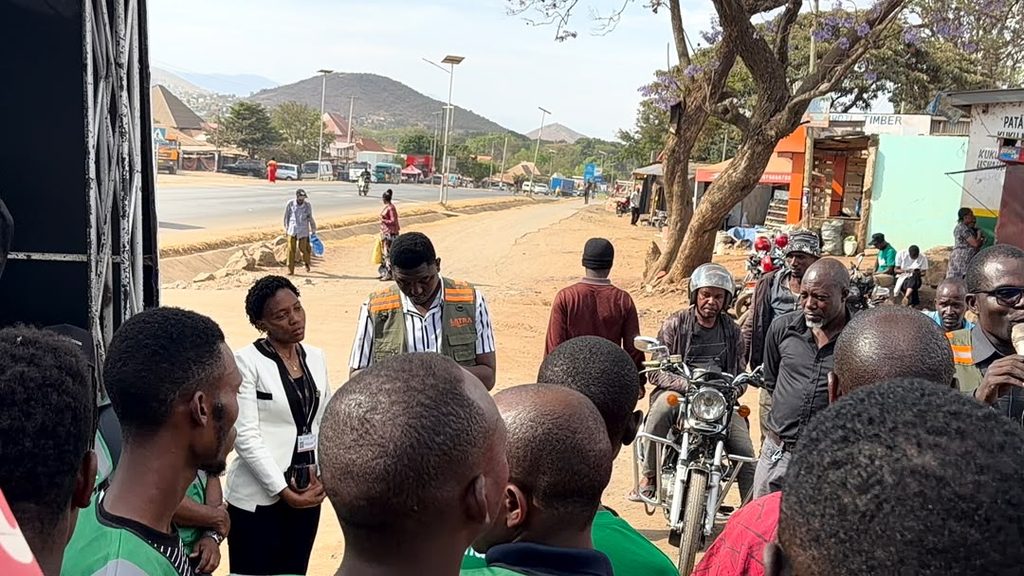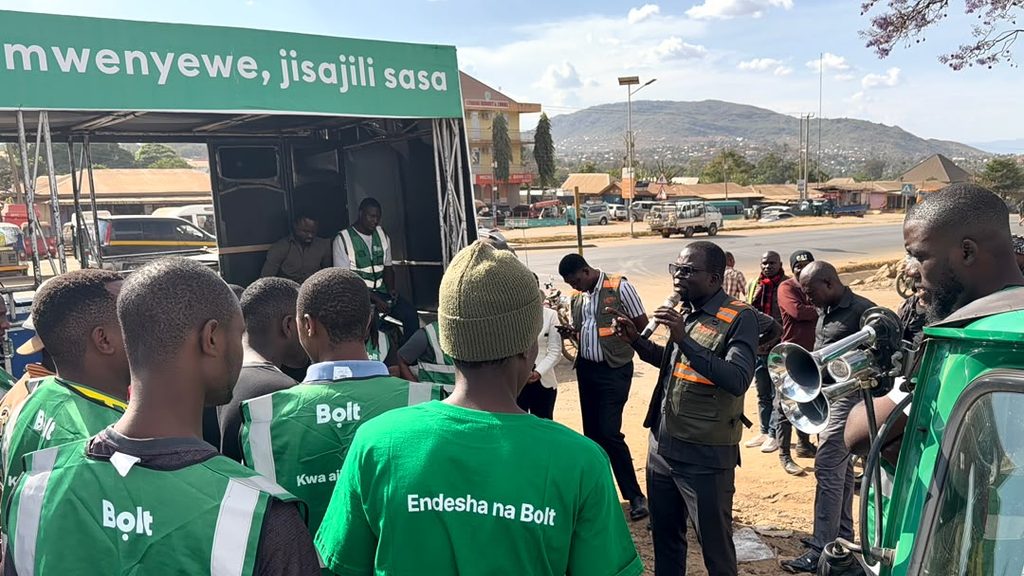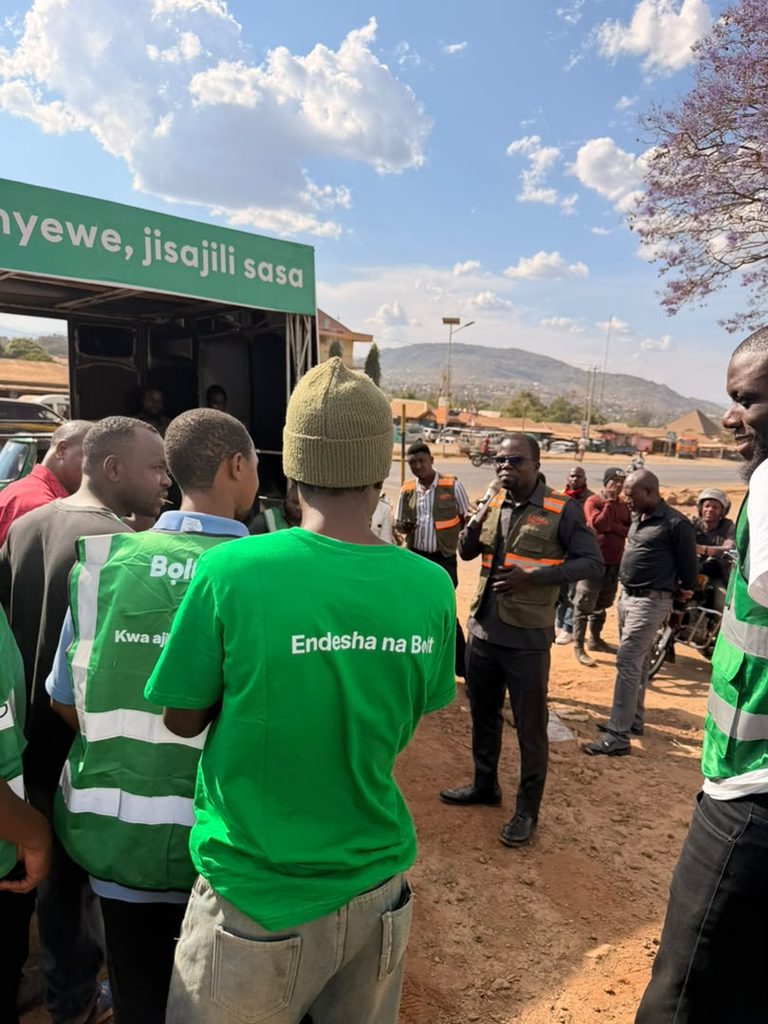



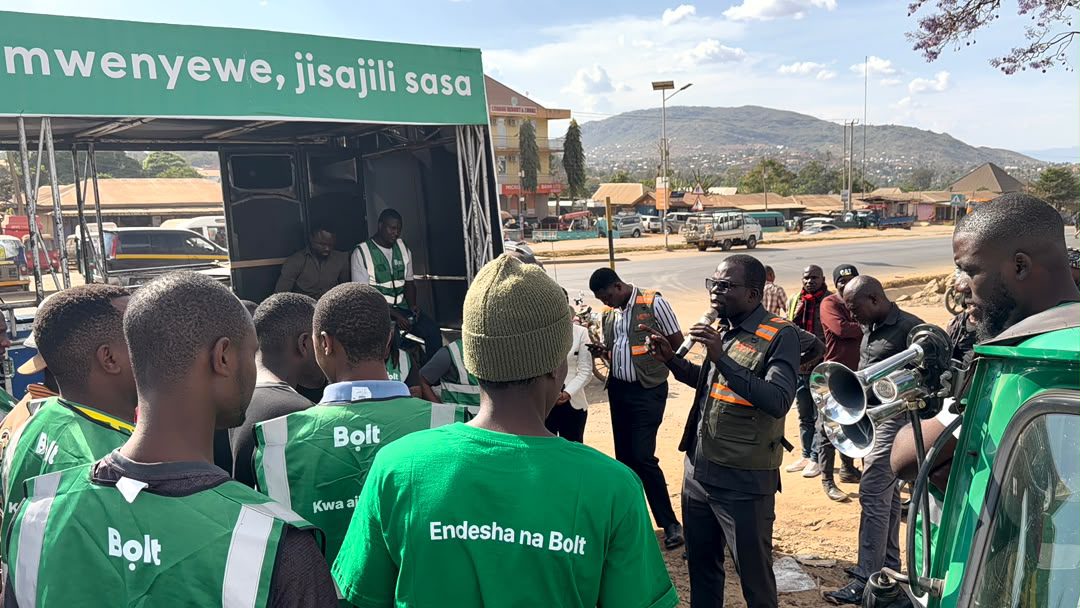
Dar es Salaam – Bolt has expanded its Tanzania footprint to Iringa and Babati, launching in Iringa in July and Babati in October 2026, extending app-based mobility deeper into regional communities. The expansion comes as both regional economies grow.
National Bureau of Statistics figures put Iringa’s 2025 economy at about TSh7.33 trillion and Manyara’s at TSh7.83 trillion. But the impact is easier to understand at street level. For a late-shift worker in Babati, the final journey home may continue beyond the main road into residential areas where infrastructure is still developing.
The town is currently receiving new roads and street lighting under the TACTIC programme, investments authorities say will improve security and allow businesses to operate later.
Having a ride available through an app can make that last mile more predictable. In Iringa, the story may be a tourist arriving at the upgraded Nduli Airport who assumed ride-hailing was something available only in Dar es Salaam or other major cities.
Iringa is a gateway to Ruaha National Park, while visitor numbers across Tanzania’s southern tourism circuit rose to more than 205,000 between July 2025 and April 2026. “Growth for us means making digital mobility useful beyond the largest cities,” said Dimmy Kanyankole, Senior General Manager, Bolt East Africa.
“Whether it is a worker getting home after a late shift, a trader reaching a customer or a visitor discovering Iringa, mobility should help people participate more fully in the local economy.” Babati also sits along a growing tourism corridor.
The new Mamire Gate into Tarangire National Park is expected to increase visitor movement through the area, while the park receives about 372,000 visitors annually.
Bolt’s proposition is simple: economic opportunity should not end where the main road does. Last-mile mobility can connect airports, bus terminals and commercial centres to homes, hotels, markets and communities.