


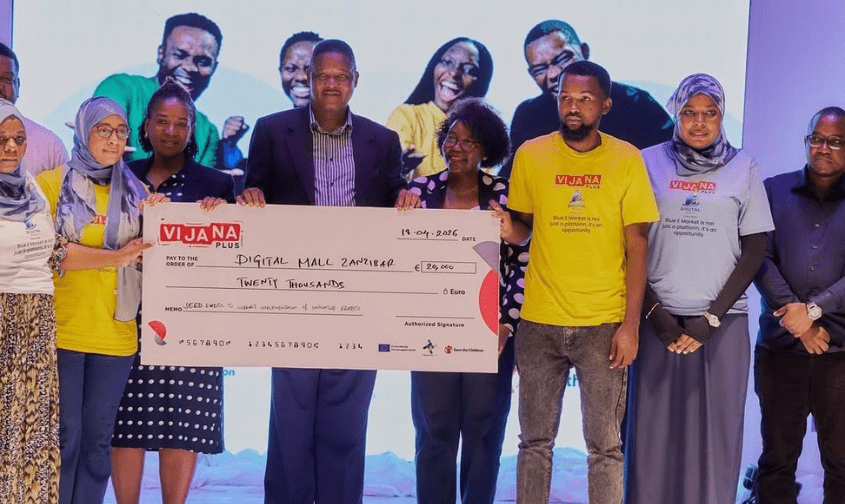
A total of 12 youth-led civil society organisations (CSOs) have each secured €20,000 in seed funding under the European Union-supported Vijana Plus initiative, marking a significant push to scale locally driven solutions to Tanzania’s most pressing development challenges.
The funding, unveiled during the Vijana Plus Demo Day held in Dar es Salaam recently, reflects a growing policy and donor shift toward investing directly in youth-led innovation as a pathway to sustainable and inclusive development.
The initiative is implemented by Tanzania Bora Initiative (TBI) in partnership with Save the Children Tanzania, with backing from the European Union (EU).
Officials say the move comes at a critical time when youth organisations are increasingly seen as frontline actors in addressing issues such as climate change, unemployment, digital exclusion and governance gaps.
Speaking at the event, Godfrey Nyahisa from the President’s Office – Youth Development said the government recognises the transformative potential of young innovators, noting that the 12 selected ideas demonstrate the capacity of youth to design practical, community-based solutions.
“This milestone is not only about funding, but about recognising the innovation and commitment of young people who are stepping forward to shape Tanzania’s development trajectory,” he said.
The Vijana Plus programme has so far supported more than 40 youth-led CSOs across the country, equipping them with leadership, organisational management and innovation skills. From this pool, 12 high-potential organisations were selected through a competitive process to undergo an intensive innovation boot camp.
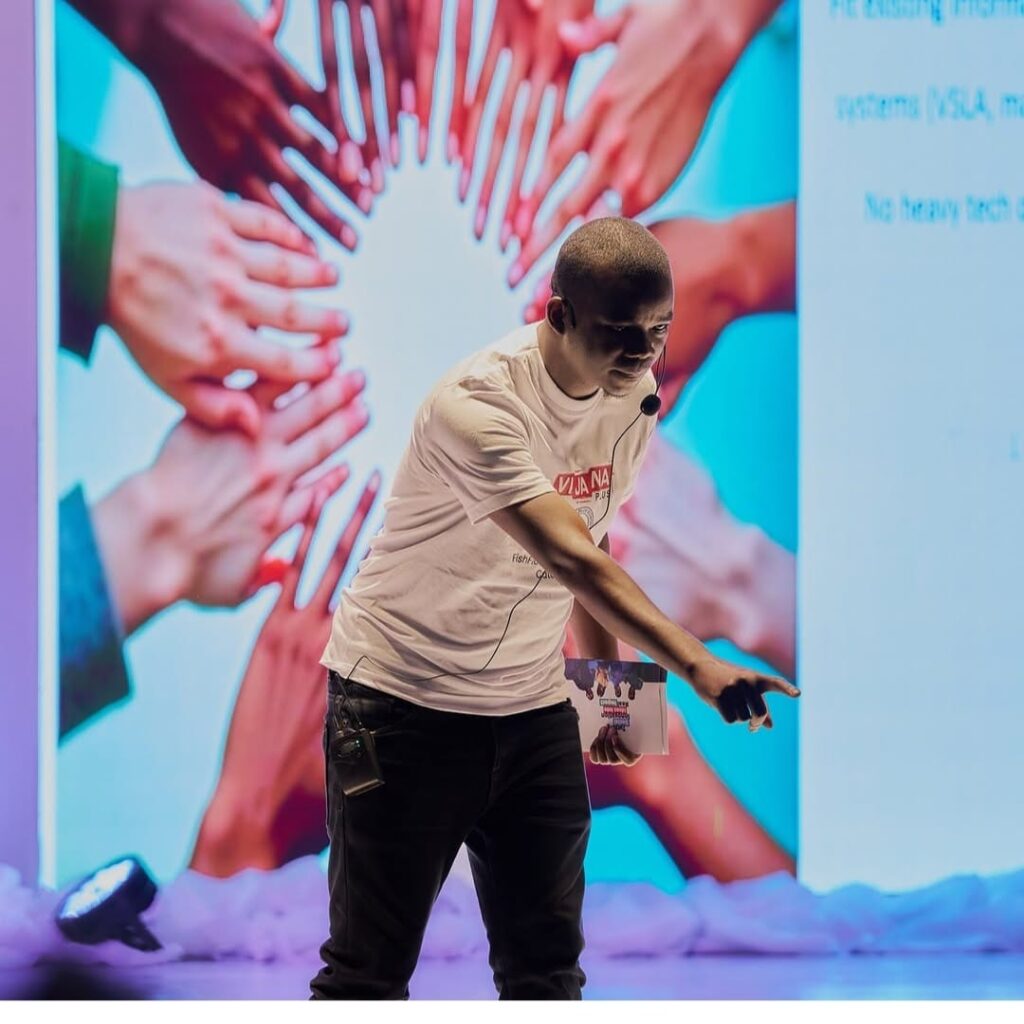
The week-long Leadership Afrika Innovation Boot Camp, held from April 13 to 18, 2026, provided training in human-centred design, business development and pitching skills, enabling participants to refine and scale their ideas.
According to organisers, the selected CSOs are tackling a wide range of sectors including climate resilience, blue economy, sustainable cities, natural resource management and youth participation in decision-making. Many of the initiatives specifically target young women, youth with disabilities and underserved communities.
Neema Bwaire, representing the European Union Delegation, underscored the bloc’s long-term commitment to youth engagement, describing young people as “strategic partners” in achieving development goals.
“For the EU, youth are not just beneficiaries—they are central actors in our strategic vision. Investing in their ideas is investing in a more inclusive and sustainable future,” she said.
Save the Children Tanzania Country Director Angela Kauleni said the project has significantly strengthened the capacity of emerging youth organisations, enabling them to innovate and lead impactful interventions in their communities.
“The Vijana Plus project is empowering young leaders with the tools, confidence and platforms needed to drive change. We are seeing organisations grow stronger, more structured and more responsive to community needs,” she said.
The Demo Day brought together senior government officials, development partners and stakeholders, providing a platform for the 12 selected CSOs to pitch their solutions and attract further partnerships and investment.