



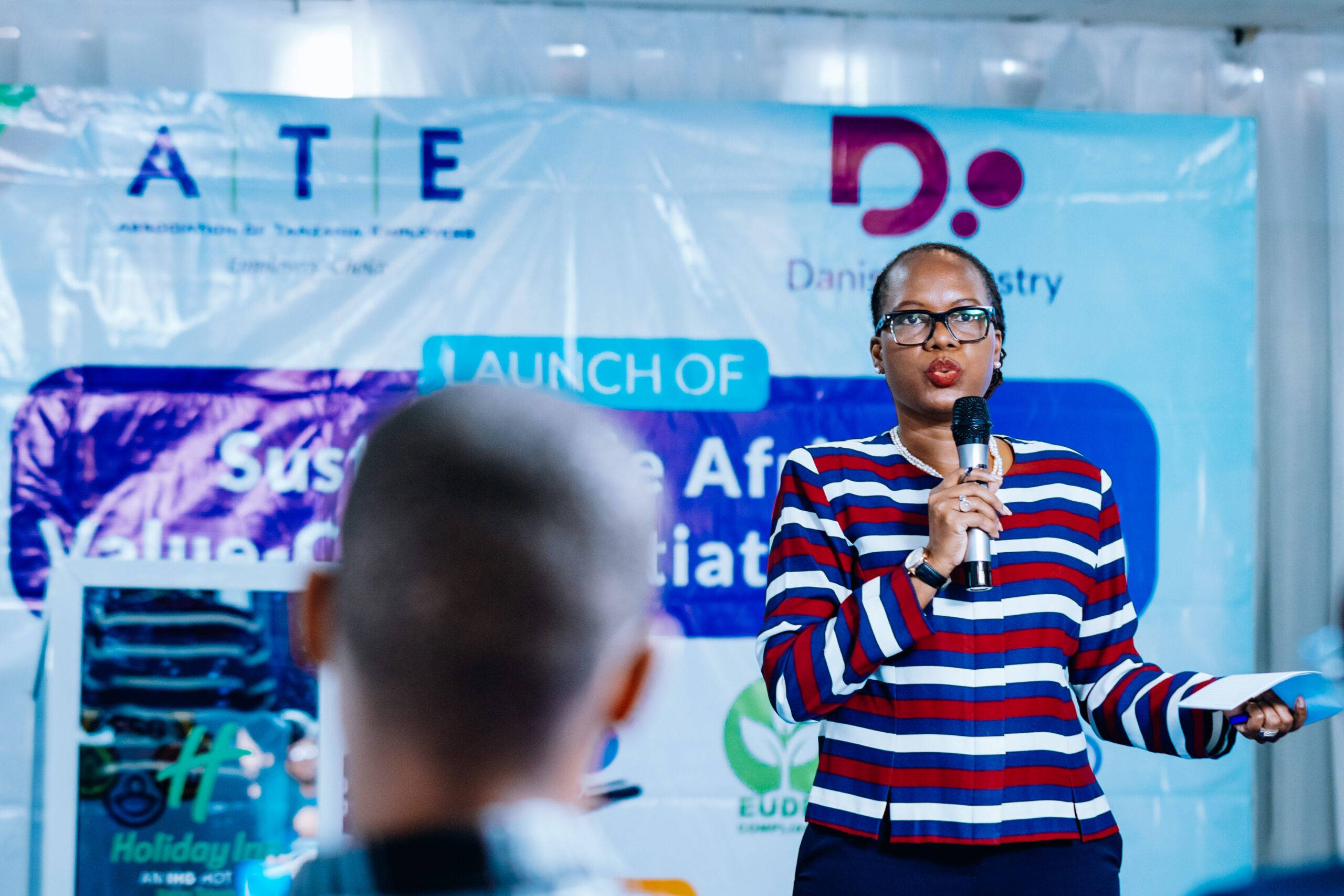
The Association of Tanzania Employers has launched a new programme aimed at helping Tanzanian businesses align with international sustainability standards and improve their competitiveness in global markets.
The initiative, known as the Sustainable African Value-Chain Initiative (SAVI), was officially unveiled in Dar es Salaam on Tuesday through a partnership between the employers’ body and Danish Industry.
Speaking during the launch, ATE Chief Executive Officer Suzanne Ndomba-Doran said sustainability had become a key requirement for businesses seeking access to international trade and investment opportunities.


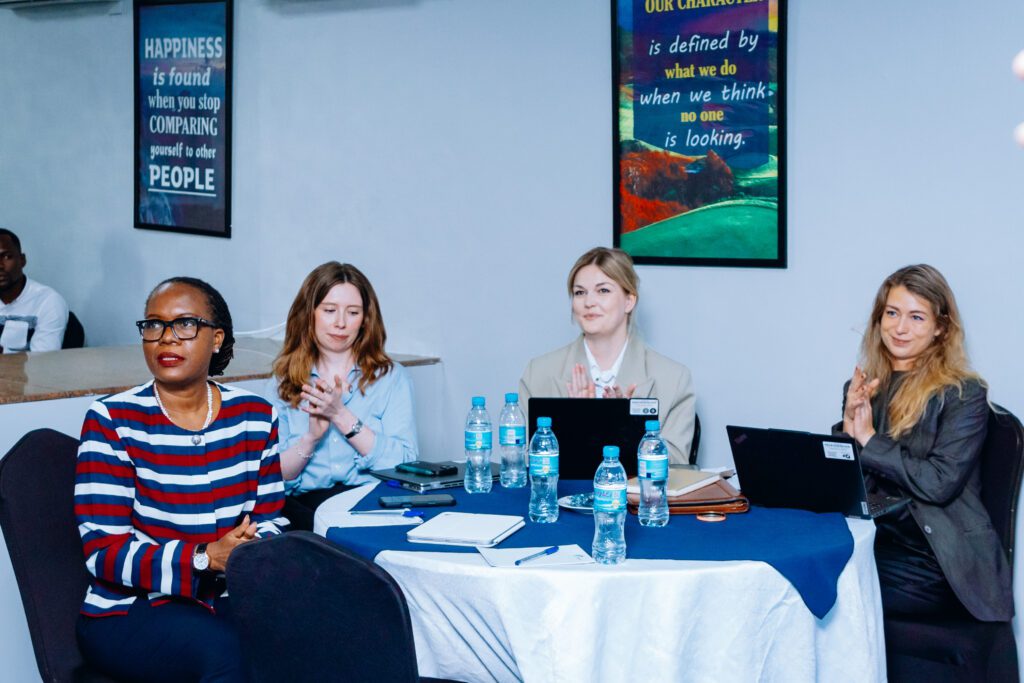

“Sustainability is no longer optional; it is now a core requirement for doing business,” she said. “SAVI is designed to equip Tanzanian enterprises with practical tools to become competitive, resilient and future-ready.”
She noted that global markets are increasingly demanding compliance with Environmental, Social and Governance (ESG) standards, with companies expected to demonstrate transparency in operations, responsible sourcing, carbon reduction strategies, ethical labour practices and environmental accountability.
According to Ndomba-Doran, many Tanzanian enterprises still face challenges including limited technical capacity, insufficient resources and low awareness of ESG compliance requirements.
She said the SAVI programme was established to bridge that gap by providing practical support and hands-on guidance to businesses across several sectors of the economy.
The programme will focus on five main areas: ESG compliance, decarbonisation and energy efficiency, water efficiency, compliance with the European Union Deforestation Regulation (EUDR), and sustainable value-chain management.
Companies from sectors including food and beverage, mining, hospitality and tourism, manufacturing, leather and coffee production are expected to participate in the initiative.
ATE said the programme would adopt a cohort-based model, grouping companies according to sectors to encourage targeted learning, peer exchange and sector-specific solutions. Each cohort will comprise 25 companies and run for 12 months.

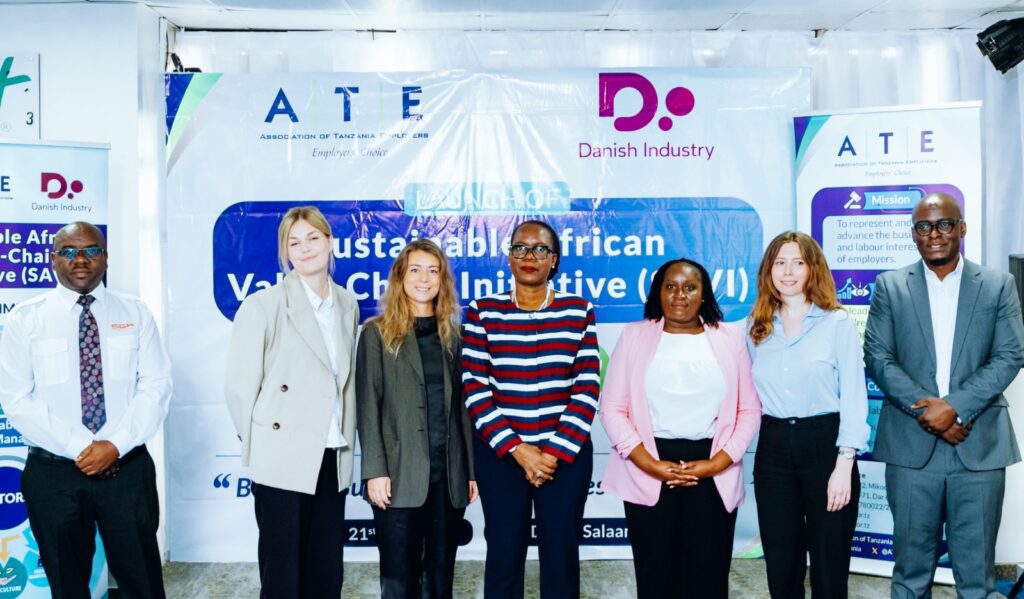


Participating businesses are expected to benefit from practical workshops, technical advisory services, one-on-one support, monitoring and evaluation, as well as implementation guidance.
Ndomba-Doran said sustainable enterprises were critical to long-term economic development and stressed the importance of collaboration between the private sector and development partners.
She also thanked Danish Industry for supporting the initiative and commended participating companies for demonstrating commitment towards sustainability transformation.
“Together, we can build enterprises that drive economic growth, create decent jobs and protect the environment,” she said.
The launch of SAVI comes at a time when global supply chains are placing greater emphasis on sustainability and responsible business practices, increasing pressure on companies in developing economies to adapt to changing market demands.