


📌Experts say the river’s future depends on stronger scientific research, regional cooperation and cultural preservation.
Addis Ababa, 30 July 2026 – Calls for deeper scientific collaboration, stronger regional partnerships, and greater investment in preserving one of Africa’s most important waterways dominated discussions on the opening day of the World Public Summit in Addis Ababa, Ethiopia.
Researchers and cultural experts unveiled an ambitious international study on the Zambezi River, emphasising that its future hinges on robust scientific research, regional cooperation, and cultural preservation.
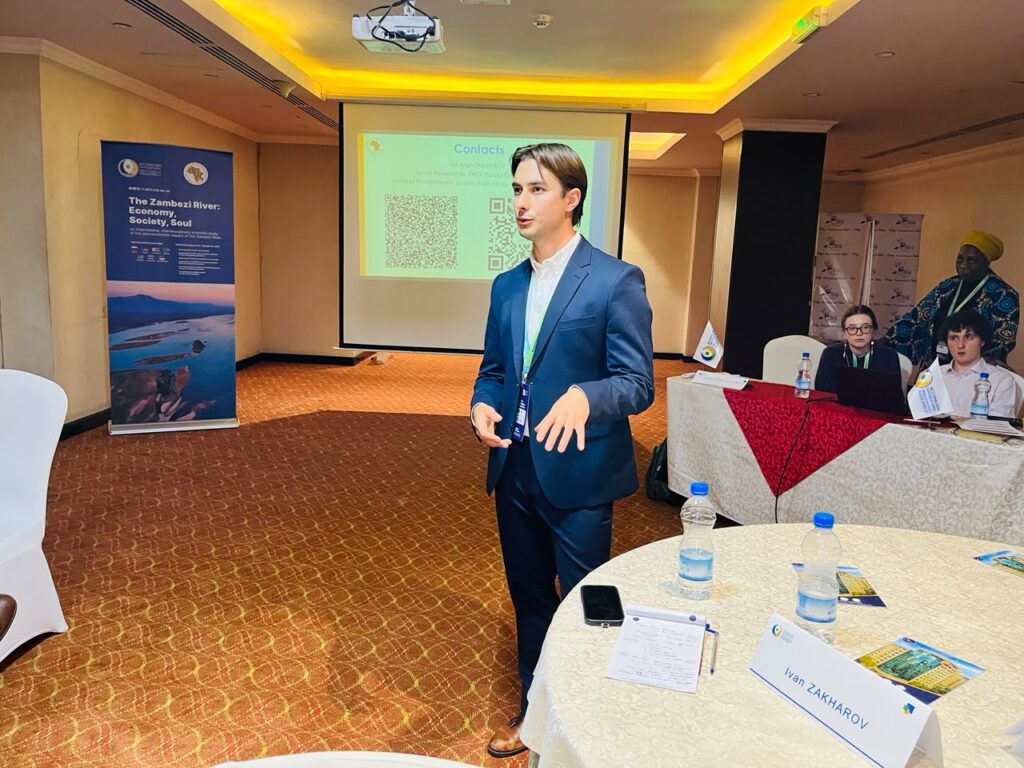
During a roundtable titled “Zambezi River: Economy, Society, Soul,” participants described the initiative as more than a research project, saying it is designed to generate practical solutions that will improve livelihoods, protect ecosystems, and preserve the shared cultural heritage of communities living along the river.
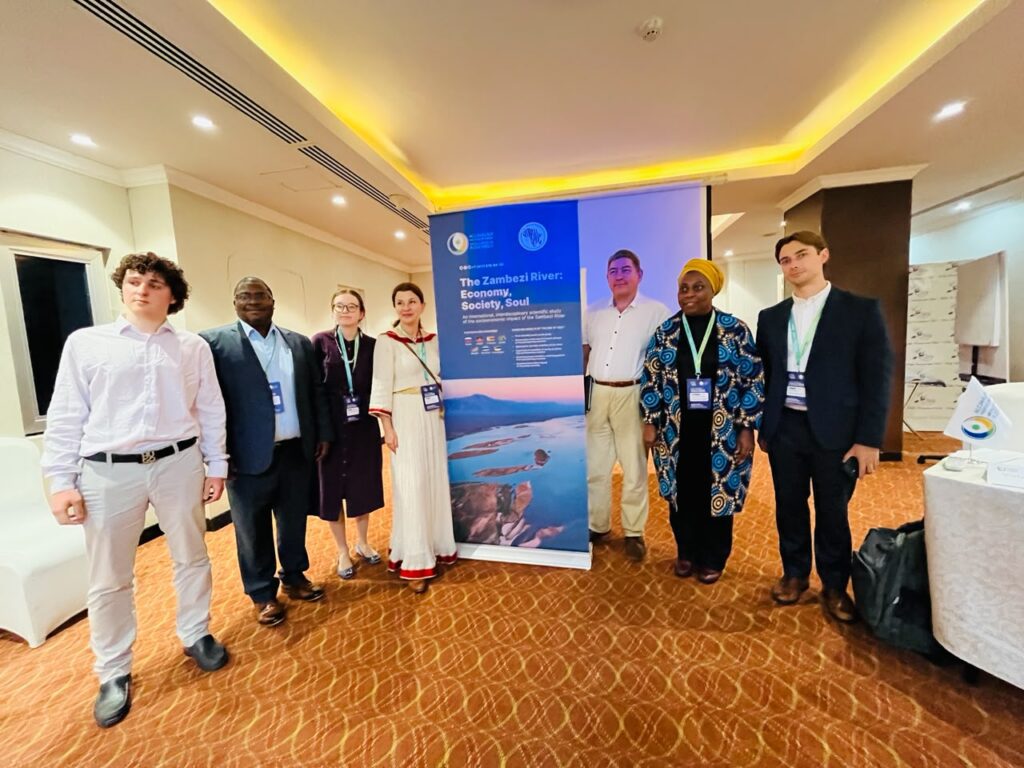
The interdisciplinary study will examine the socioeconomic impact of the Zambezi River across Angola, Zambia, Zimbabwe, Namibia, Botswana, and Mozambique, while also considering the wider river basin, including Tanzania and Malawi. The project aligns with the African Union’s 2026 theme, “Ensuring Sustainable Access to Water and Safe Sanitation to Achieve the Goals of Agenda 2063.”
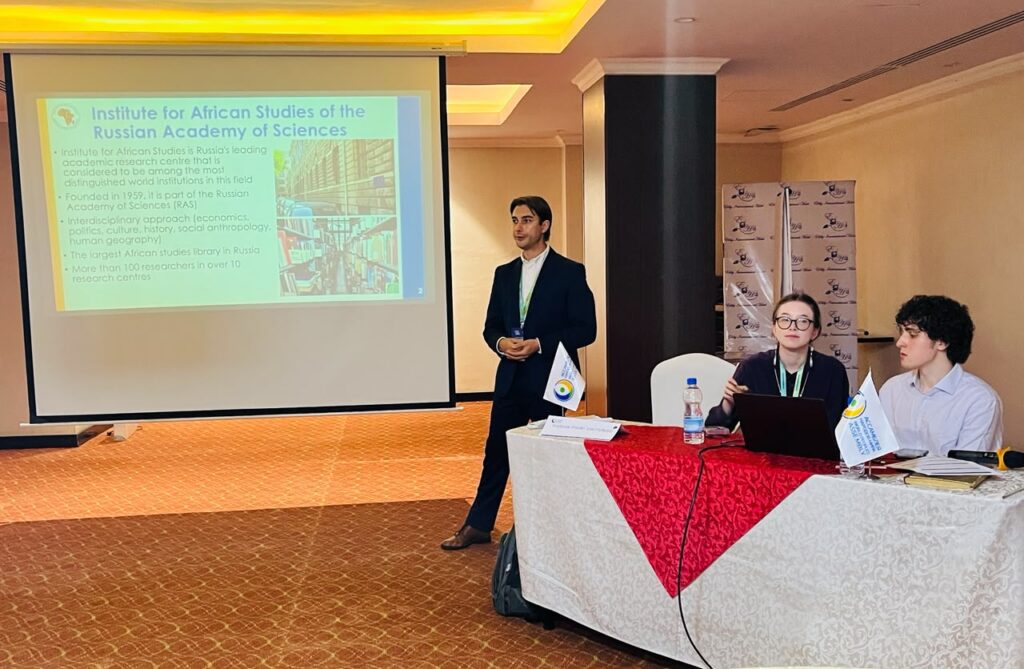
Ivan Zakharov, a researcher at the Institute for African Studies of the Russian Academy of Sciences, highlighted the Zambezi as a unique opportunity to demonstrate how transboundary water resources could be studied and managed through international cooperation.
“I think it has a bright future,” Zakharov said, adding that the project could become “a very interesting role model” for other river basins, including the Nile.
He explained that researchers intend to undertake extensive field studies covering economics, international relations, history, social geography, and anthropology. The comprehensive approach will help to better understand how communities interact with the river, given its very diverse climatic and hydrological properties.
“We need to engage all the countries in this river basin to understand migration patterns during the dry season, the rainy season, and especially when floods are coming. This will allow us to trace these patterns and try to eliminate negative consequences such as conflicts,” Zakharov emphasised. He noted that such research could help reduce disputes and support more coordinated development policies among countries sharing the river.
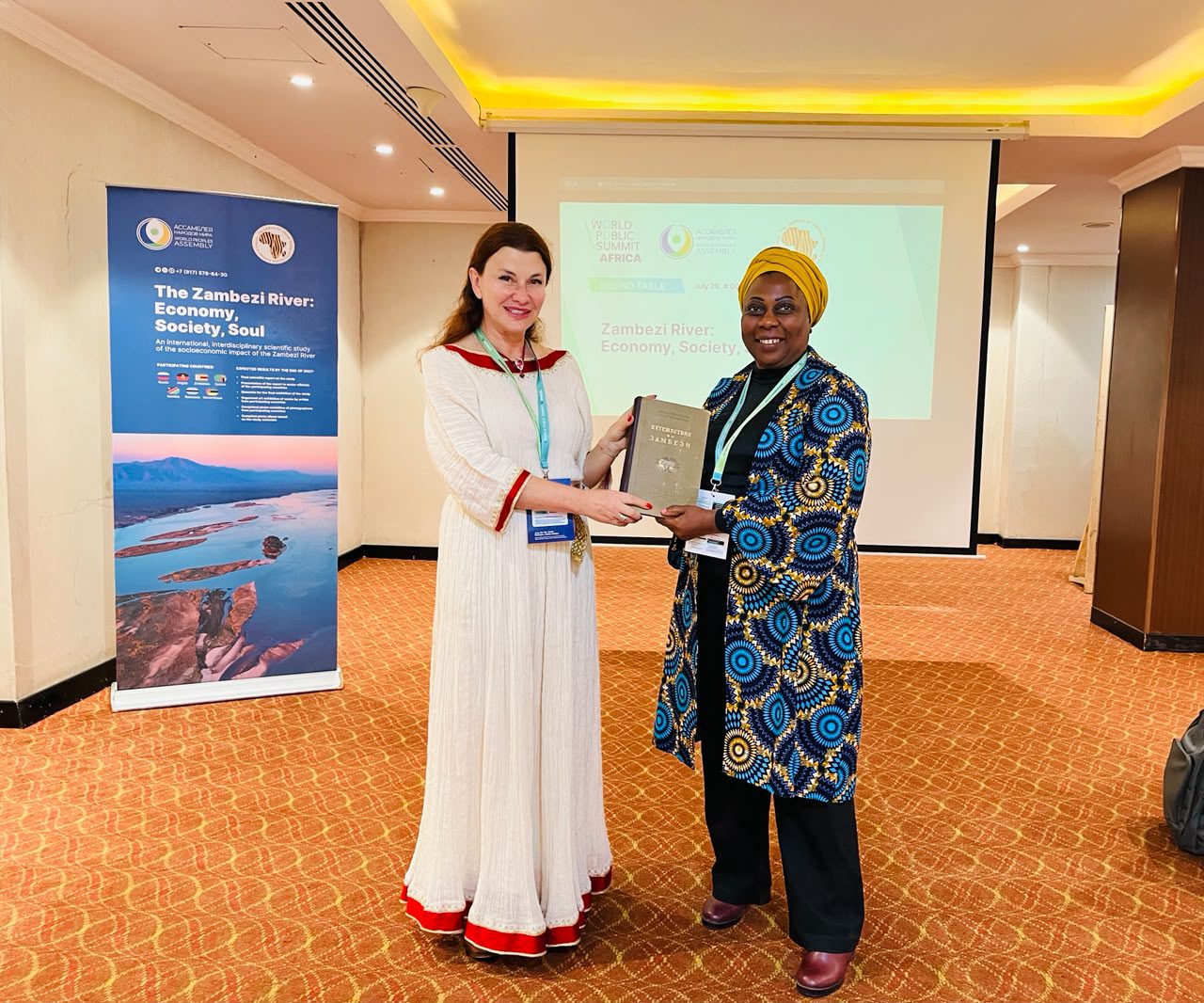
For Zambia’s National Livingstone Museum Director and cultural historian Victoria Phiri Chitungu, the summit transformed what began as an informal idea into a structured international initiative backed by scientific institutions.
“I came here with the idea of the Zambezi River project, which was just an idea among friends. But coming to this conference, it has put it into a conceptualised idea, like a tangible project,” she said.
Chitungu noted that discussions had broadened the project’s scope beyond documenting the river’s six mainstream countries to considering the entire basin and the interconnected communities whose livelihoods depend on it.
She added that researchers hope to document the cultures, languages, traditions, wildlife, and ecosystems found along the river, while exploring how changing economies, population growth, and climate change are reshaping the region.
“If we don’t study the river, if we don’t appreciate it, if we don’t know what’s happening around it, it means that this river might not be preserved,” she warned, noting that several African rivers have already disappeared due to environmental degradation.
Beyond scientific research, the project also seeks to create educational and cultural spaces that make knowledge about the Zambezi accessible to students, researchers, and the wider public.
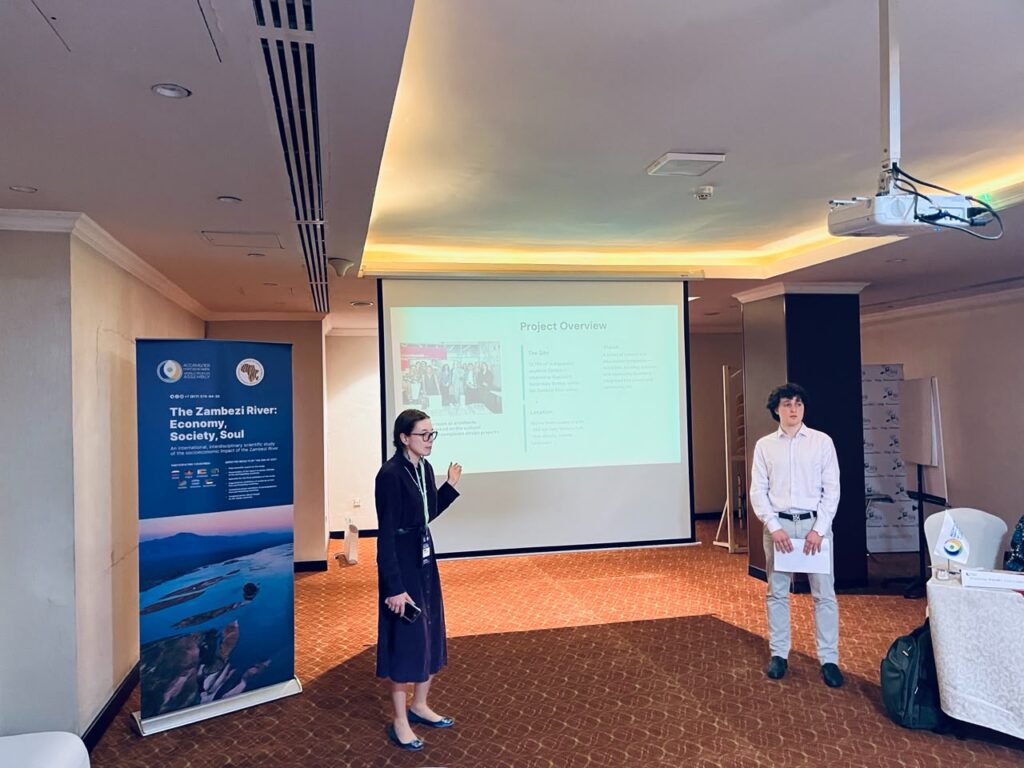
Russian student Svetlana Dubeykovskaya presented architectural concepts developed by young Russian designers for a cultural complex in Zambia’s Lower Zambezi region. She explained that these proposals demonstrated how architecture could support education and community development.
“People spent six months on these projects. They thought about every single thing and researched a lot about the region,” she said.
She expressed hope that architects from Africa and Russia would eventually work together to transform the concepts into practical projects capable of improving people’s lives while celebrating the region’s cultural identity.
Yanina Dubeykovskaya, Deputy Executive Director of the World Peoples Assembly and President of the Association of Women Public Figures “Women’s Influence,” affirmed that the Addis Ababa discussions marked only the beginning of a long-term international partnership.
“We are not only meeting each other once in three years, but we are doing common projects,” she said.
She announced that participating institutions would continue refining the initiative ahead of presentations planned during the Russia-Africa track in Moscow later this year, where researchers hope to unveil exhibition concepts and a common scientific methodology for the study.
According to the project framework, museums and universities from Russia, Angola, Zambia, Zimbabwe, Namibia, Botswana, and Mozambique will collaborate on research expeditions throughout 2027. This will culminate in a comprehensive scientific report, policy recommendations, exhibitions, photographic archives, and educational materials.
Participants said the initiative represents a new model of Africa-centred international research, bringing together science, culture, and development planning to ensure that the Zambezi River remains both a source of economic opportunity and a shared natural and cultural heritage for future generations.