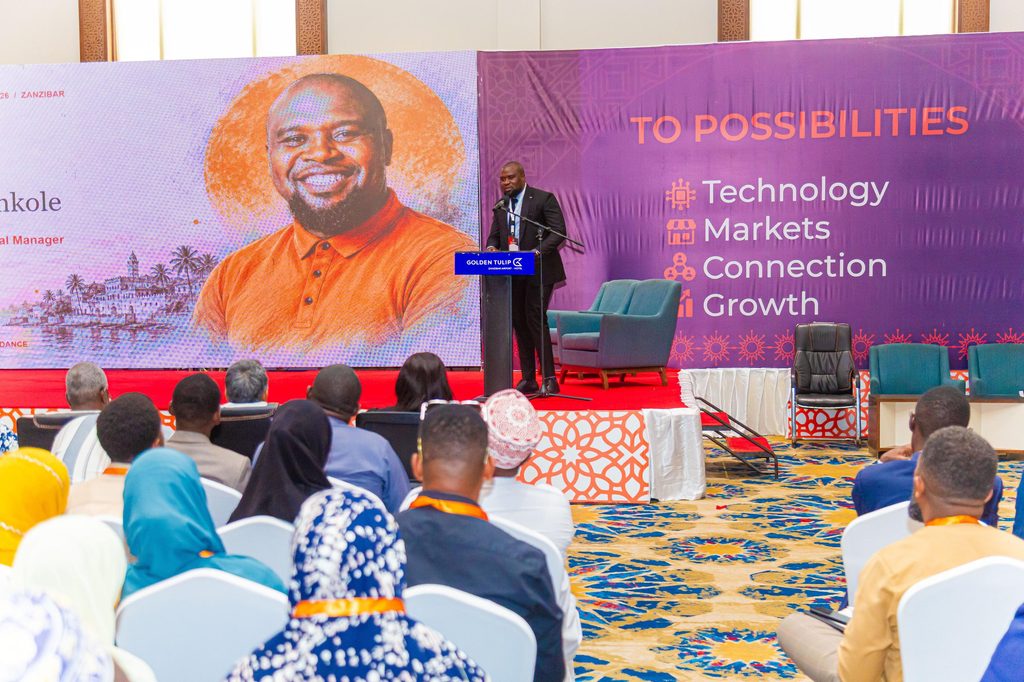



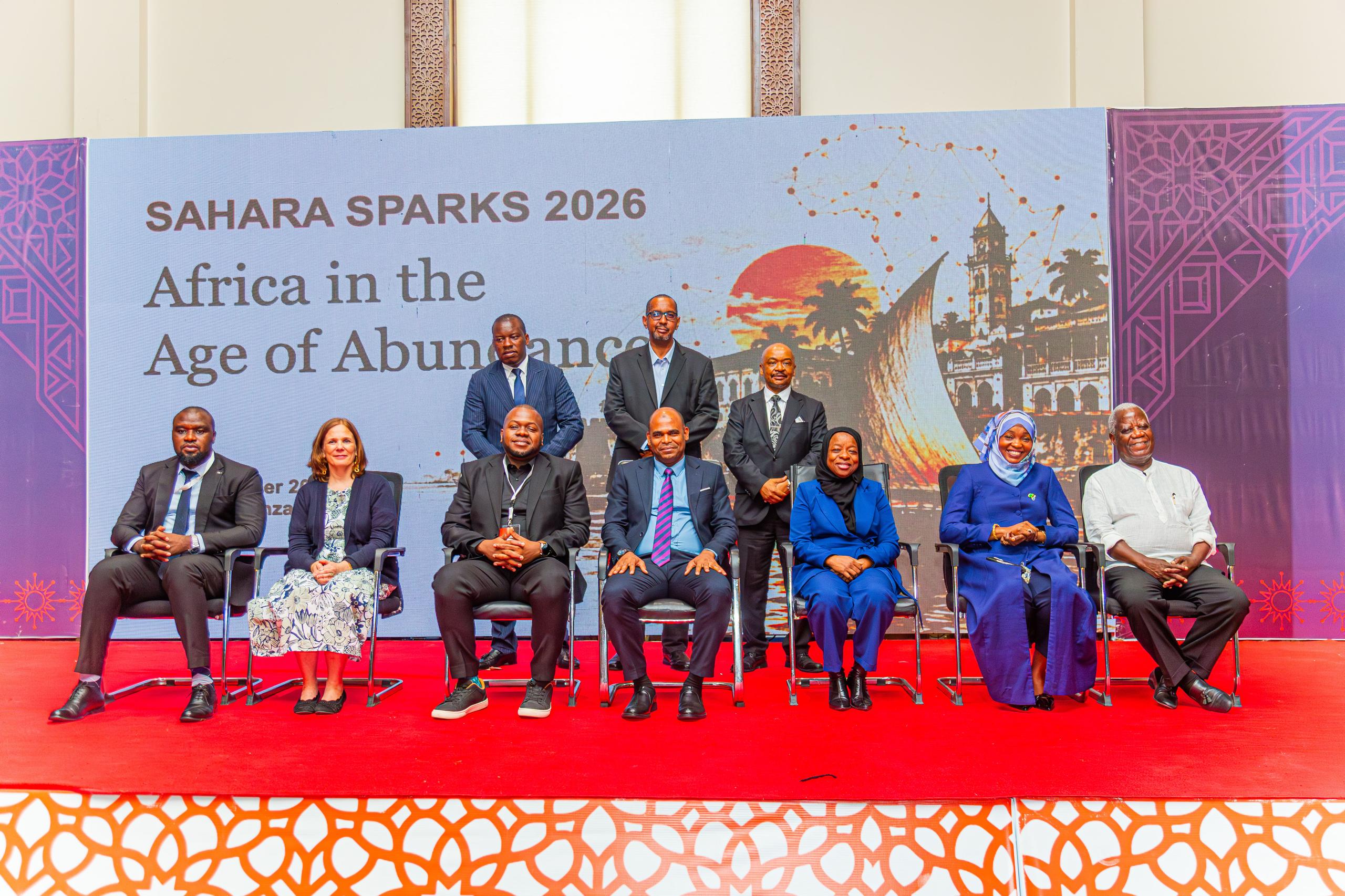
Zanzibar, 12 October 2026 — Bolt East Africa Senior General Manager Dimmy Kanyankole has urged African governments, investors and technology companies to build innovation ecosystems that convert digital adoption into productive businesses, safer services and flexible livelihoods.
Speaking at Sahara Sparks 2026 before Zanzibar ministers, some government leaders of the united republic and other extinguished guest, Dimmy’s speech highlighted Bolt’s commitment to use mobility to increase income generating opportunities for youth in Africa including Zanzibar. During a panel discussion on the theme “Navigating the Age of Abundance,” Kanyankole said technology is reshaping East African mobility from an asset-heavy, fragmented service into a formal and real-time digital marketplace.
“Customers now expect affordable pricing, verified drivers, trip tracking and responsive safety support. At the same time, drivers can choose when, where and how long they work, and the government can regulate them to ensure safety is upheld. Technology is therefore making movement safer, accessible, income generating for drivers and allows the public to save more. In areas like Moshi, Arusha and Iringa, tourists get to move more efficiently, and with reasonable costs that allow them to repurpose saved money into other local expenditures such as shopping.” he said.


He argued that mobility should be treated as economic infrastructure. Tanzania’s parliamentary records show the transport sector grew by 4.1% and contributed about 7.2% of GDP in 2023. Between July 2024 and March 2025, it generated US$2.48 billion in foreign-exchange earnings, 8.3% more than the corresponding period a year earlier.
The Ministry of Finance also attributed part of Tanzania’s 5.5% economic growth in 2024 to strategic investment in transport infrastructure and the commencement of SGR passenger services.
Within digital mobility, thousands of drivers earn through Bolt in Tanzania, while top-performing drivers make up to Sh3.5 million monthly, illustrating how Bolt technology has turned transport demand into livelihoods throughout the country.
Kanyankole said further progress requires predictable regulation, affordable capital, local technical skills and deeper public-private collaboration. As the United Republic of Tanzania gears towards the target of a 1 trillion dollar economy, ride-hailing is already playing its part in formalizing the entrepreneurs (drivers) that move the city everyday.
“Africa should not remain only a consumer of global technology. We must build and adapt solutions around our cities, languages and economic realities—and create the conditions for them to scale safely,” he said.
Bolt said Africa’s competitiveness will depend on whether innovation connects people to markets, services and income at scale.