




Zanzibar. As Zanzibar’s real estate boom attracts increasing numbers of foreign investors, a new question is emerging across the sector: how can buyers distinguish between developers selling a vision and those capable of delivering it?
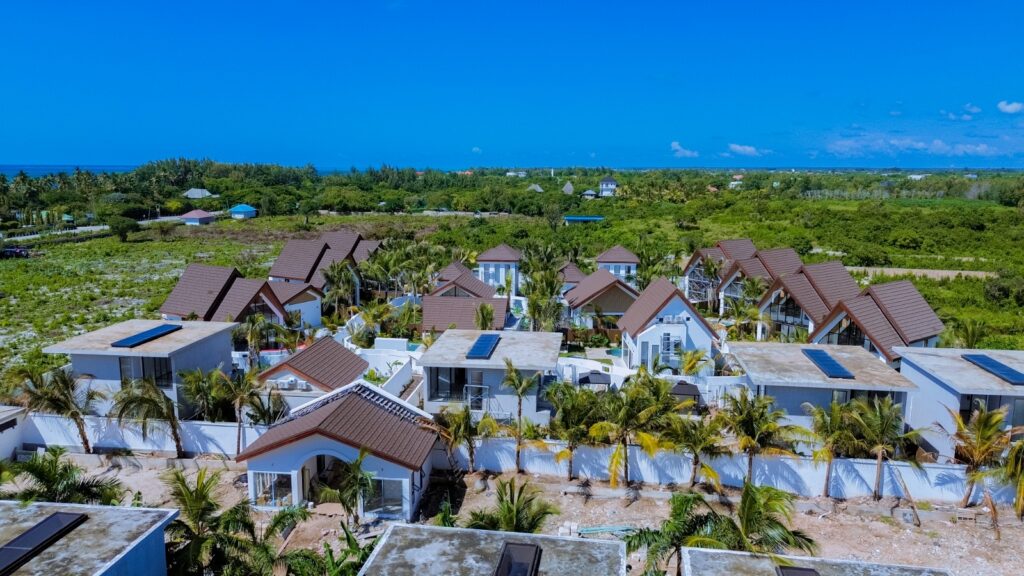
For Floton Africa, the ongoing handover of Emerald Square in Paje represents more than the completion of another development. The company says it reflects a broader shift in the market, where investor confidence is increasingly tied to completed projects rather than ambitious marketing campaigns.
Speaking to Maarifa Online, Floton Africa Director Swapna Brahmaroutu said the maturation of Zanzibar’s property sector is raising expectations around transparency, delivery and long-term value creation.
“Investors deserve facts they can check, not just promises on paper,” she said.
“The only way to know what you’re getting into is to go and verify everything yourself. Visit the projects we’ve already completed, check our licences and permits, meet the team and walk the actual sites. Trust gets built through what you can see and confirm, not through brochures or sales talk.”
Growing market, growing scrutiny
Zanzibar has experienced rapid growth in tourism-driven property investment over the past decade, attracting buyers from Europe, the Middle East, Asia and Africa seeking holiday homes, rental income opportunities and lifestyle investments.
However, industry observers note that the rapid expansion has also increased scrutiny of developers, particularly those selling off-plan properties where investors commit funds before construction is completed.
According to Ms Brahmaroutu, delivery has become the most important benchmark for developers operating in the market.
“The handover of Emerald Square is more than the completion of a building—it is the fulfilment of a promise,” she said.
“In real estate, investors ultimately judge a developer by one thing: delivery.”
She added that completed projects provide prospective investors with an opportunity to assess quality, construction standards and management capabilities before making investment decisions.
Beyond the purchase price
The interview also highlighted changing investor behaviour in Zanzibar’s property market.
While many buyers continue to focus on acquisition costs, Ms Brahmaroutu argued that long-term value depends on several factors beyond the initial purchase price.
“The biggest mistake is focusing almost entirely on price,” she said.
“The cheapest property often turns out to be the most expensive mistake once you factor in delays, construction quality issues, weak management after handover or problems reselling later.”
She urged investors to examine a developer’s track record, legal ownership structures, rental demand, construction standards and long-term management arrangements before committing to a purchase.
“This isn’t a quick transaction, it’s a long-term asset that needs proper care to hold its value,” she said.
Off-plan demand remains strong
Despite concerns sometimes associated with off-plan developments, Floton Africa believes the model continues to offer significant opportunities when backed by credible developers.
“Buying a finished property gives you certainty—you see exactly what you’re getting,” Ms Brahmaroutu explained.
“But buying during development gives you the opportunity to secure a better price and benefit from the value growth that usually happens while the project is being built.”
She noted that early investors in previous developments generally realised stronger gains than those who waited until project completion.
However, she stressed that the developer’s ability to deliver remains the critical factor.
“The real question isn’t ‘Should I buy off-plan?’ It’s ‘Who am I buying off-plan from, and what have they actually delivered before?'”
A changing investment landscape
Industry players expect Zanzibar’s property sector to continue expanding, supported by tourism growth, infrastructure upgrades and government efforts to attract international investment.
Ms Brahmaroutu described the archipelago as being at a pivotal stage of development.
“Zanzibar is entering a transformative period,” she said.
“We are witnessing increasing international interest driven by tourism growth, infrastructure improvements, favourable investment policies and global demand for lifestyle destinations.”
She expects rising demand for branded residences, mixed-use developments, resort communities and premium hospitality assets over the coming years.
“Zanzibar still offers significant value compared to many established international destinations, creating an attractive entry point for investors,” she said.
Balancing investor returns and community impact
Beyond attracting foreign capital, developers are increasingly being challenged to demonstrate their contribution to local economic development.
According to Floton Africa, projects such as Emerald and Emerald Square have generated employment opportunities for local workers, contractors, suppliers and service providers while creating demand for local businesses after completion.
“Our success is closely linked to the success of the communities in which we operate,” Ms Brahmaroutu said.
The company says it prioritises local procurement where possible and views property development as part of Zanzibar’s wider economic transformation rather than simply a real estate transaction.
Looking ahead
With upcoming developments including Hola Paje and YOLO Residences, Floton Africa says its focus remains on combining international investment with long-term destination development.
“We are not simply building properties—we are helping shape the future of Zanzibar,” Ms Brahmaroutu said.
As competition intensifies and investors become increasingly selective, industry analysts say developers will likely face greater pressure to prove their ability to deliver quality projects, safeguard investor interests and contribute meaningfully to Zanzibar’s economic growth.
In a market that is rapidly evolving from emerging destination to global investment hotspot, the message from investors appears increasingly clear: delivery matters more than promises.