



TANZANIA is seeking to attract fresh investment from the Dangote Group in the fertiliser and energy sectors as the country moves to boost agricultural production, reduce dependence on imported inputs and strengthen its position as a regional industrial hub.
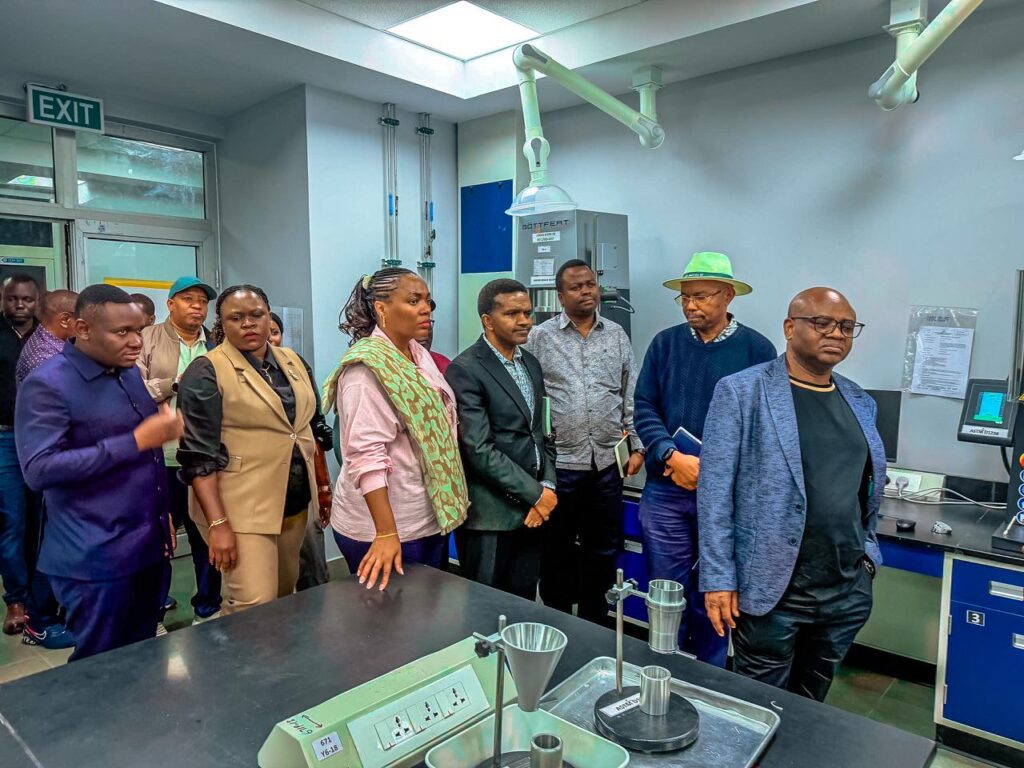
The push follows a high-level visit by the Office of the President – Planning and Investment, led by Prof. Kitila Mkumbo, to key Dangote industrial facilities in Nigeria, including the Dangote Petroleum Refinery & Petrochemicals and Dangote Fertiliser Limited.
Prof. Mkumbo said on August 6, 2026, after inspecting the facilities, that the visit was aimed at exploring new areas of cooperation between Tanzania and the Dangote Group beyond its existing investment in the cement industry in Mtwara Region.
He said the government was keen to expand collaboration in strategic sectors such as fertiliser manufacturing and energy, which are essential to Tanzania’s economic transformation and agricultural development goals.
“Apart from Dangote’s investment in the cement industry in Mtwara, the objective of this visit is to open discussions and agree on new areas of investment, including fertiliser and energy,” Prof. Mkumbo said.
The move comes amid growing demand for fertiliser in Tanzania, driven by increased agricultural activity and government efforts to promote the use of improved farming inputs to raise productivity.
Official figures show that fertiliser consumption has risen by 211 percent, from 363,599 tonnes in the 2021/22 farming season to 1,132,799 tonnes in the 2025/26 season.
Demand for urea fertiliser, one of the most widely used agricultural inputs, has also recorded significant growth, increasing from 76,895 tonnes to 272,103 tonnes during the same period. The country currently has 48 industries that use urea as a major raw material.
A potential investment by Dangote in fertiliser production would help expand domestic manufacturing capacity, reduce reliance on imports and support Tanzania’s efforts to secure adequate supplies of agricultural inputs. Domestic fertiliser demand is projected to reach 2.1 million tonnes by 2030.
Beyond serving the local market, increased production capacity would create an opportunity for Tanzania to become a regional fertiliser supply centre, serving markets in the East African Community (EAC), the Southern African Development Community (SADC) and the African Continental Free Trade Area (AfCFTA).
The investment is also expected to generate employment, strengthen food security, support farmers through improved access to inputs and accelerate the growth of agro-processing industries that depend on a reliable agricultural supply chain.
The engagement with Dangote forms part of Tanzania’s broader strategy to attract strategic foreign direct investment, expand industrial capacity and increase the country’s competitiveness in regional and international markets.