


Teachers of science and mathematics subjects in the country have been urged to use technology and innovative teaching methods to improve students’ understanding and help produce science professionals who will contribute to the nation’s social and economic development.
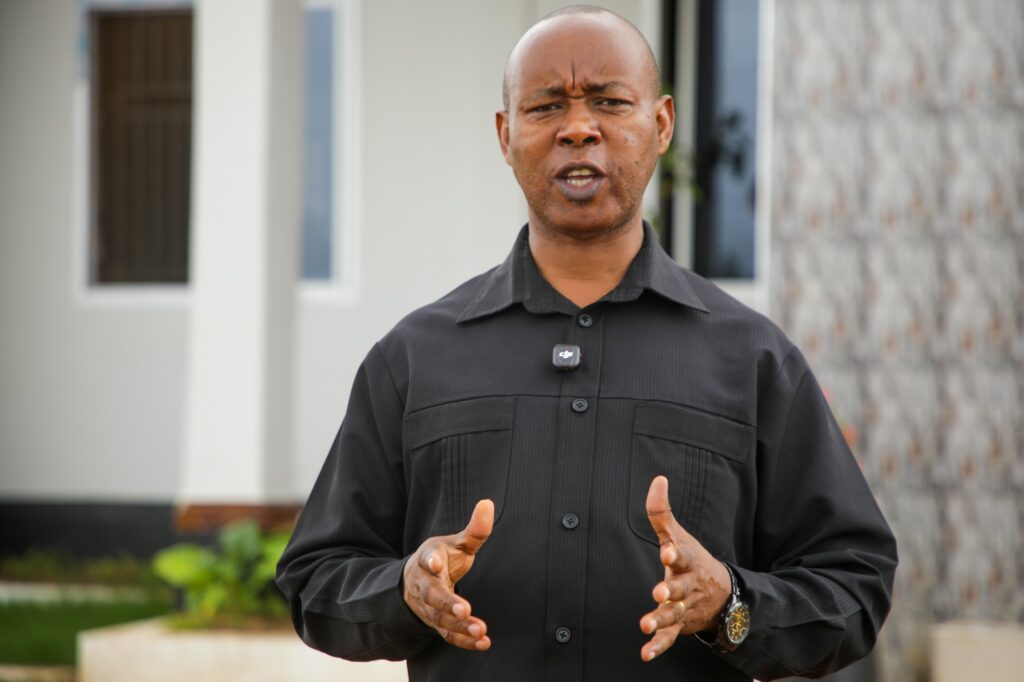
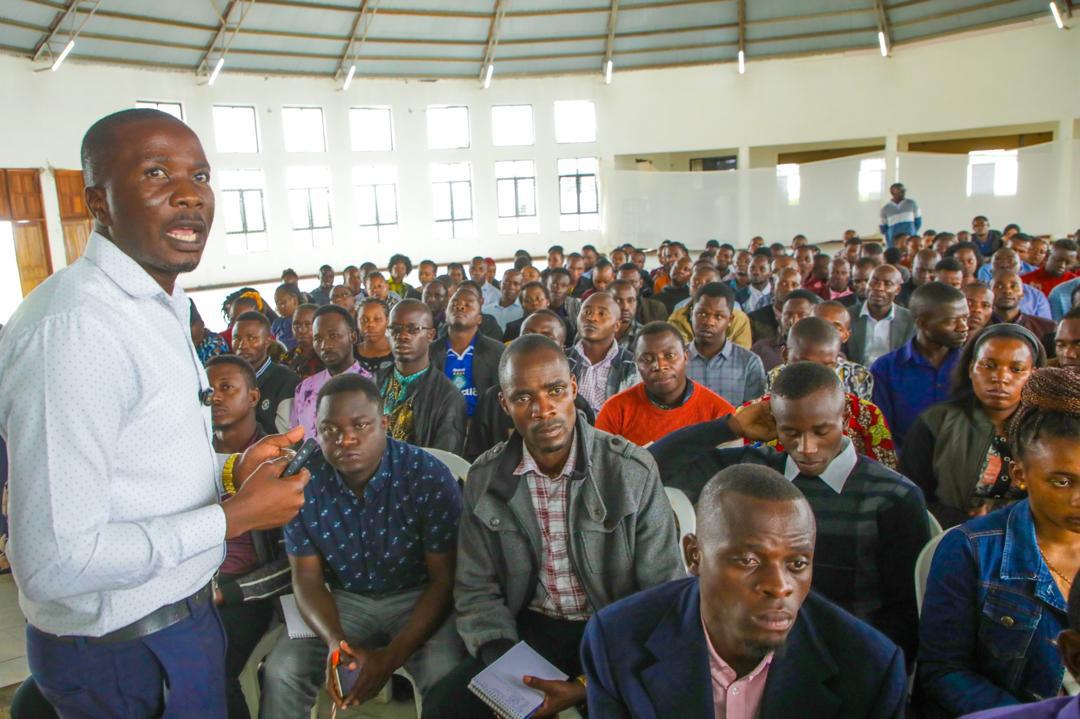
The call was made on April 29, 2026, by the Shinyanga Regional Education Officer, Samson Allute, while opening a five-day training session for science and mathematics teachers from the Shinyanga and Simiyu regions.
Allute said the use of technology in teaching will enable teachers to teach more effectively while motivating students to develop interest in science and mathematics subjects from an early stage.
He said the government continues to invest in the education sector through the Secondary Education Quality Improvement Project (SEQUIP), which aims to improve school infrastructure, provide in-service training for teachers, and strengthen the use of information and communication technology (ICT) equipment.
“A teacher must keep pace with technological changes to equip students with critical thinking and innovation skills and prepare them to become professionals who will contribute to national development,” said Allute.
He explained that the training is intended to build teachers’ capacity in the use of technology and participatory teaching methods to improve students’ performance in science and mathematics subjects.
He also urged teachers to use the knowledge gained from the training to help students overcome the fear of science subjects, which for a long time have been perceived as difficult by some learners.
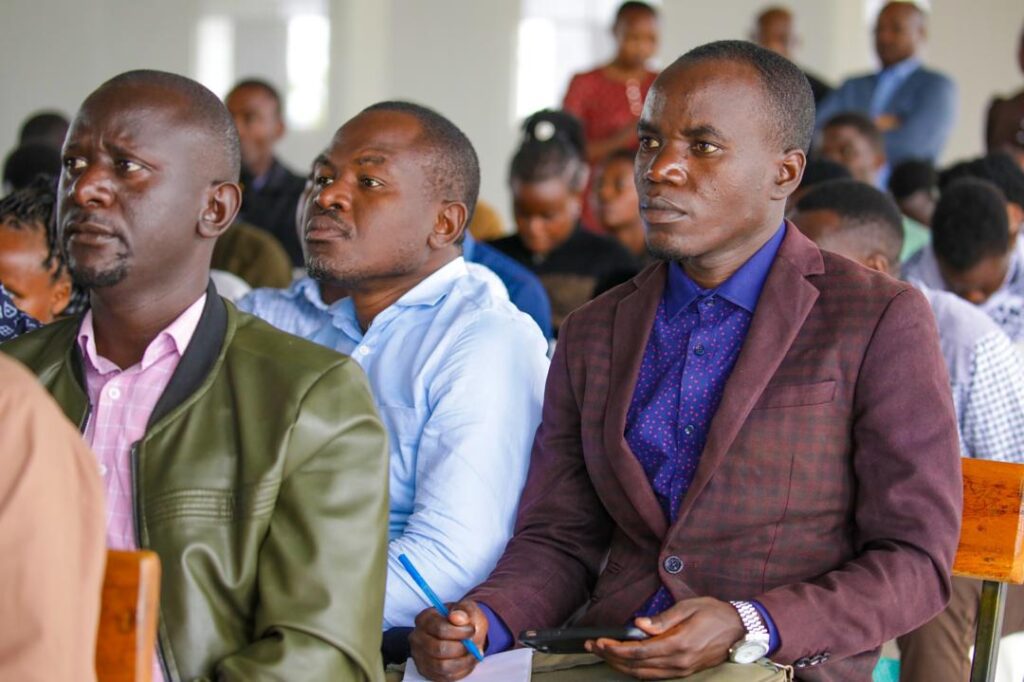
A chemistry teacher from Mwakibuga Secondary School in the Simiyu Region, Happiness Goyi, said the training will help her apply modern teaching methods that will enable students to understand and enjoy science subjects more easily.
Meanwhile, physics teacher Daniel David said the use of technology in teaching will help students keep up with the current world changes driven by science and technology competition.
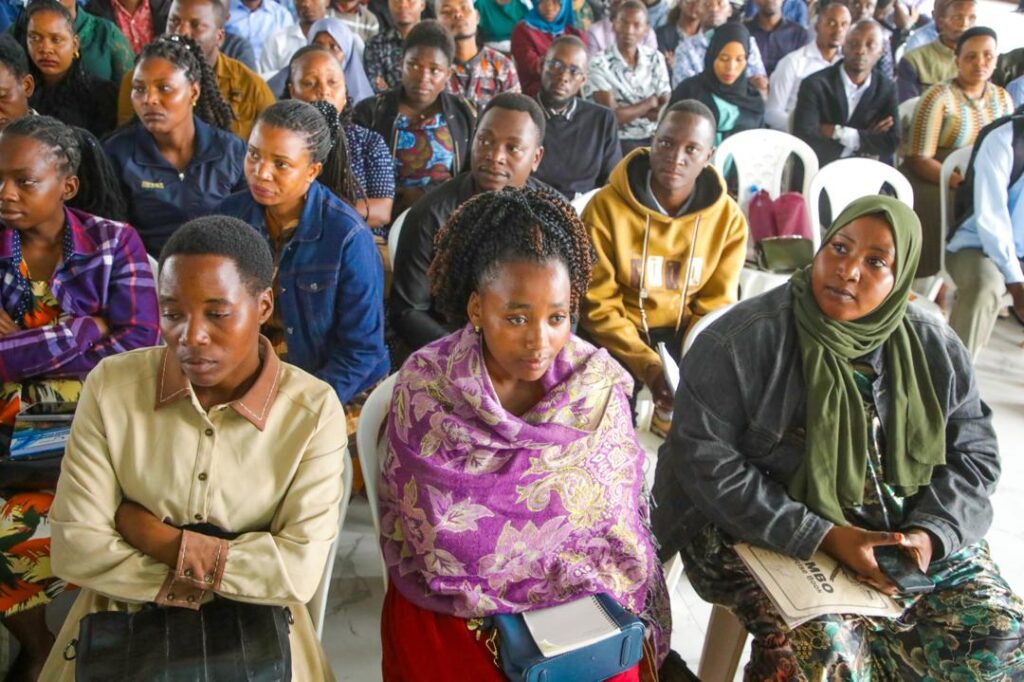
The training is expected to build the capacity of 523 teachers from the Shinyanga, Simiyu, Tabora, and Katavi regions through the SEQUIP project.