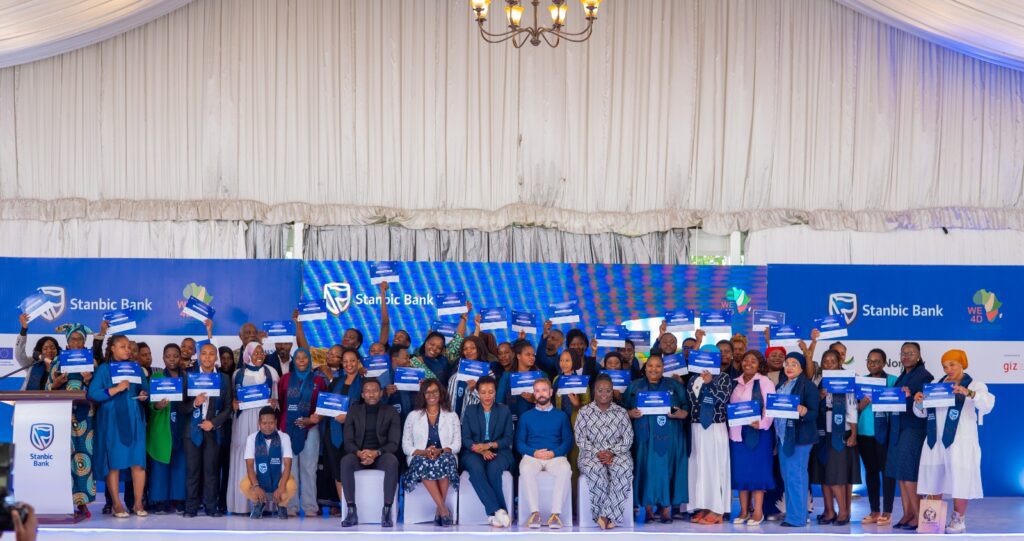



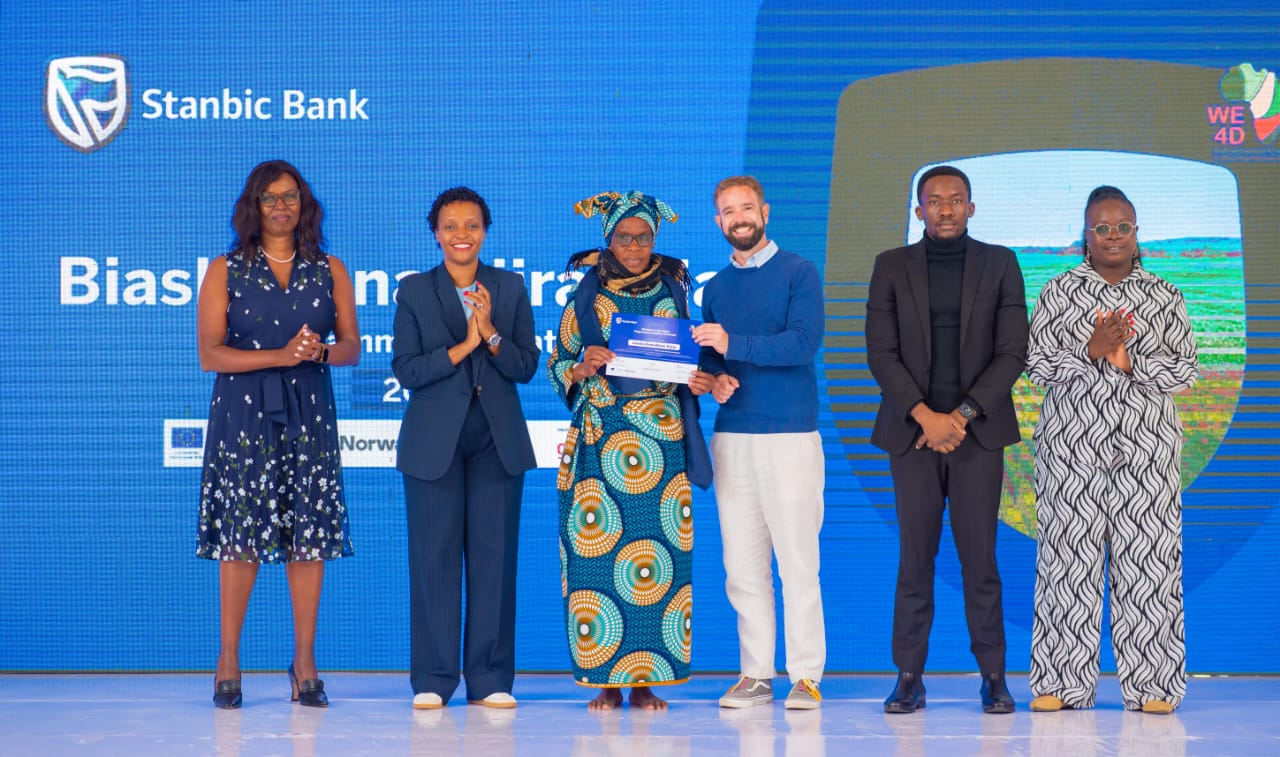
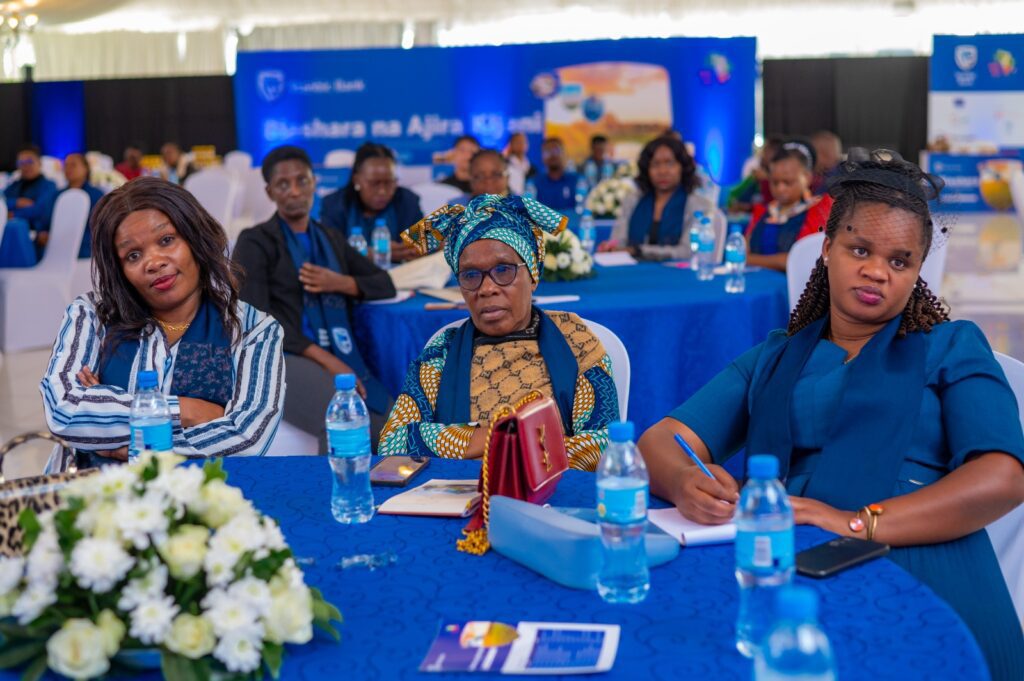
Stanbic Bank Tanzania has graduated 261 entrepreneurs across Arusha, Mbeya, Mwanza and Tanga under the Biashara na Ajira Kijani Programme, implemented by the Stanbic Biashara Incubator with support from GIZ through the Stanbic Kenya Foundation equipping them with practical business skills, financial discipline and a clearer pathway to formal finance as they grow enterprises operating across Tanzania’s emerging green economy.
The graduating class is made up of 77 entrepreneurs in Mbeya, 60 in Arusha, 60 in Mwanza and 64 in Tanga. Women account for 76 percent of the class. All of them run businesses in one of five sectors central to Tanzania’s green transition: sustainable agriculture, renewable energy, the circular economy, the blue economy and green transport.
These sectors are increasingly recognised as key drivers of Tanzania’s sustainable economic growth, creating jobs, supporting climate resilience and contributing to the country’s transition towards a low-carbon economy.
Between May and July 2026, the programme recruited, trained and coached the full cohort of 261 entrepreneurs through a classroom bootcamp followed by one-on-one coaching and mentorship. The curriculum focused on the areas that most often keep small businesses outside the formal financial system: costing and pricing, financial record-keeping, market access and preparation for formal credit.
The Biashara na Ajira Kijani Programme reflects Stanbic Bank Tanzania’s commitment to building businesses that are investment-ready, financially resilient and positioned for long-term growth. By combining entrepreneurship training with access to business advisory services and tailored banking solutions, the programme supports entrepreneurs to strengthen their enterprises, create jobs and contribute to Tanzania’s transition towards a more sustainable economy.
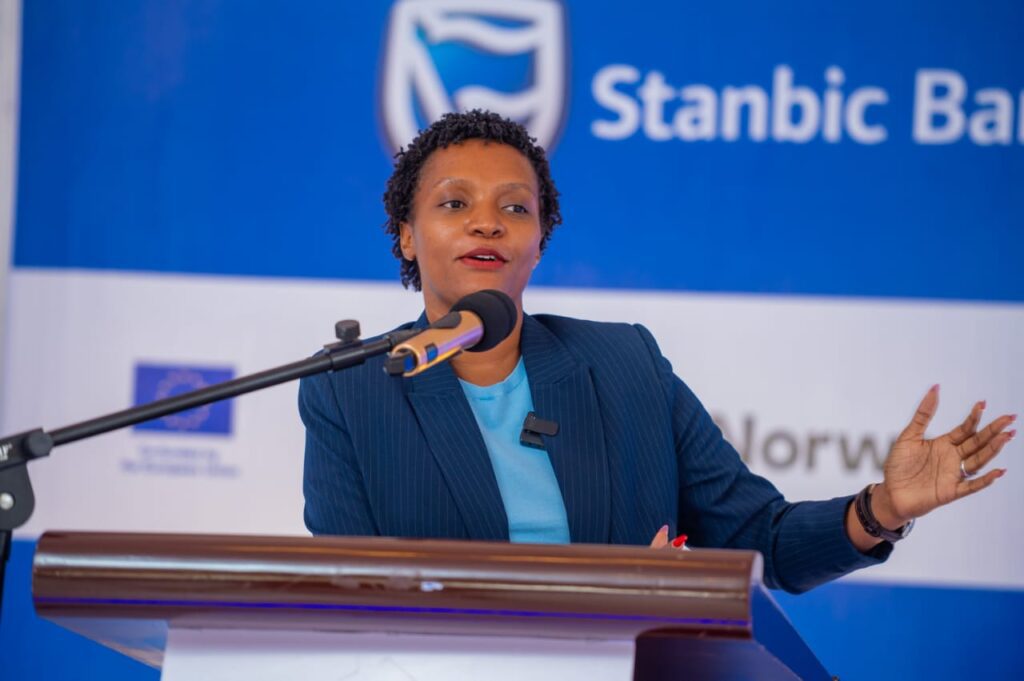
Kai Mollel, Head of the Biashara Incubator at Stanbic Bank Tanzania, said the cohort was deliberately opened to both women and men, and that the final composition reflects who is already building green businesses on the ground.
“We did not set out to run a programme for one group. We set out to find people already trading in green sectors and give them what the market was not giving them. Seventy-six percent of this class turned out to be women, and that tells you something about who is doing this work in Tanzania today,” said Mollel. “What we added was structure: how to price, how to keep records, how to hold a conversation with a bank and be understood.”
Julian Henseli, Advisor and Technical Team Leader for the WE4D programme at GIZ, said the design of the partnership is what sets it apart from conventional training initiatives.
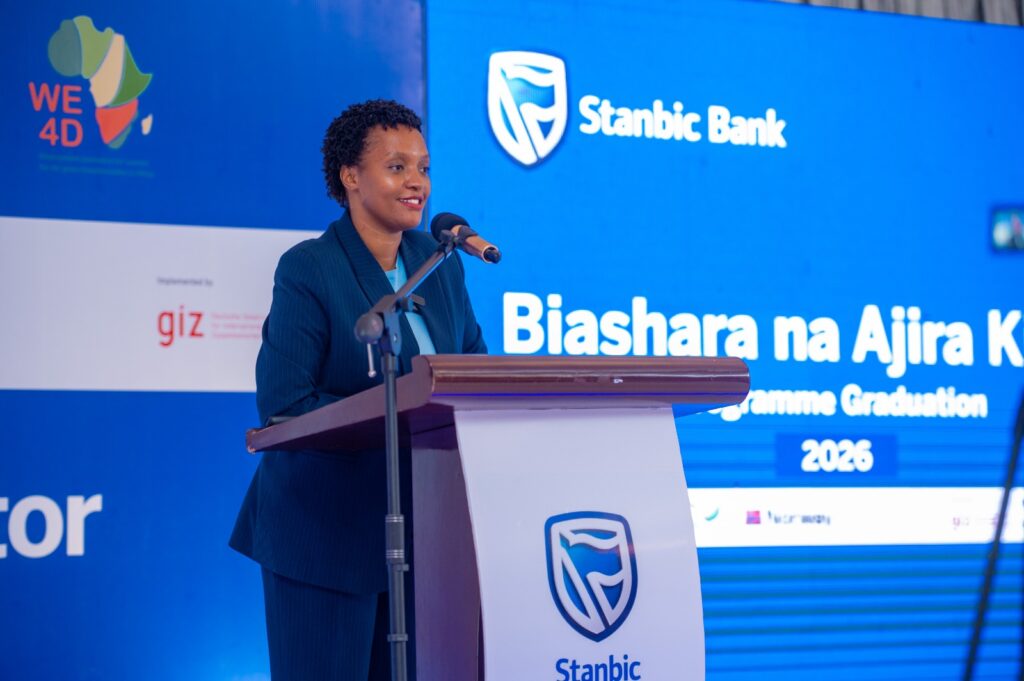
“Training on its own rarely moves a business into the formal economy. What makes this programme work is that the skills sit alongside a financial institution with a direct interest in seeing these enterprises grow,” said Henseli. “That combination is what WE4D looks for, and green sectors are where a significant share of Tanzania’s new jobs will be created over the next decade.”
Access to formal credit remains one of the most persistent constraints on small businesses in Tanzania, and the barrier falls hardest on women-owned enterprises, where limited collateral, thin credit histories and informal record-keeping keep otherwise viable businesses outside the banking system. BAK was designed to address those constraints directly, pairing skills development with a deliberate pathway into a formal banking relationship.
Through the Stanbic Biashara Incubator, Stanbic Bank Tanzania continues to invest in entrepreneurs with the potential to create jobs, strengthen local value chains and expand access to formal finance, reinforcing the Bank’s long-term commitment to inclusive and sustainable economic growth.